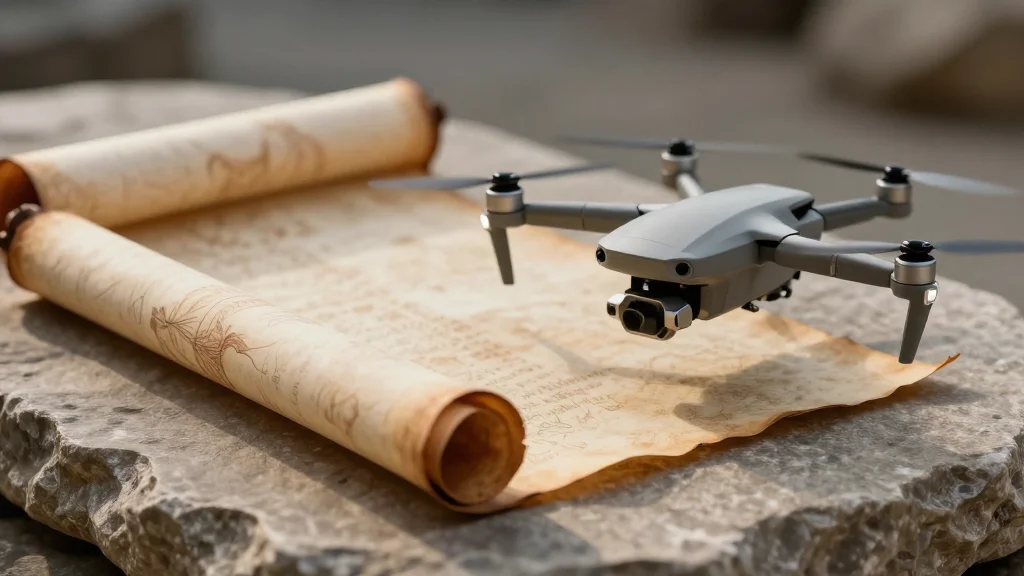
Military Histories About the Ancient Persians, Modern Iraq and the American Civil War
Companies Mentioned
Why It Matters
Understanding the differing strategic mindsets of ancient Persia and modern Iran offers policymakers a richer framework for assessing asymmetric warfare and legitimacy battles in the Middle East.
Key Takeaways
- •Persian war viewed as managing a peripheral disturbance, not civilization clash
- •Modern Iran relies on cheap drones to project political leverage
- •US and Israel emphasize conventional force to demonstrate regional dominance
- •Xerxes used Greek campaign to legitimize his new rule
- •Hyland's book reframes Persian motives, challenging Western civilization narrative
Pulse Analysis
The comparison between the Achaemenid Empire’s Greek campaigns and today’s U.S.-Iran tensions provides a fresh lens for military analysts. Hyland’s scholarship reveals that Xerxes treated the Greek front as a test of his authority, not a cultural showdown, underscoring how great powers often frame distant conflicts as internal power‑consolidation exercises. This historical nuance helps explain why modern Iran, facing external pressure, prioritizes political legitimacy and low‑cost asymmetric tools such as drone swarms over outright conventional confrontation.
In contemporary geopolitics, the United States and its ally Israel project conventional might—carrier groups, advanced air defenses, and joint exercises—to signal regional dominance. Iran, meanwhile, exploits cheap, readily producible drones to threaten critical chokepoints like the Strait of Hormuz, turning economic leverage into a political weapon. The dual‑track approach mirrors the ancient dichotomy: a superior force seeking visible power versus a challenger using indirect, cost‑effective tactics to rally domestic support and deter adversaries.
For strategists, the lesson lies in recognizing that wars are fought on multiple fronts—military, economic, and ideological. By studying how the Persians managed a peripheral disturbance to cement Xerxes’s rule, policymakers can better anticipate Iran’s blend of kinetic and non‑kinetic actions. Integrating historical perspectives into modern threat assessments enriches decision‑making, ensuring that responses address both the visible force posture and the underlying quest for legitimacy that drives asymmetric actors today.
Military Histories About the Ancient Persians, Modern Iraq and the American Civil War
Comments
Want to join the conversation?
Loading comments...