MLK Was Teen Agnostic Who Rediscovered Faith on a Tobacco Farm, New Book Reveals
Why It Matters
The revelations reshape our understanding of the personal crucibles that forged King’s leadership, offering fresh context for today’s faith‑driven activism and civil‑rights strategy.
Key Takeaways
- •King worked as teen tobacco farmhand in Connecticut, 1944.
- •He described a period of agnosticism after his grandmother’s death.
- •First exposure to integrated worship sparked his spiritual turnaround.
- •Early oratory contests foreshadowed his public speaking mastery.
- •Author plans a graphic‑novel adaptation for young readers.
Pulse Analysis
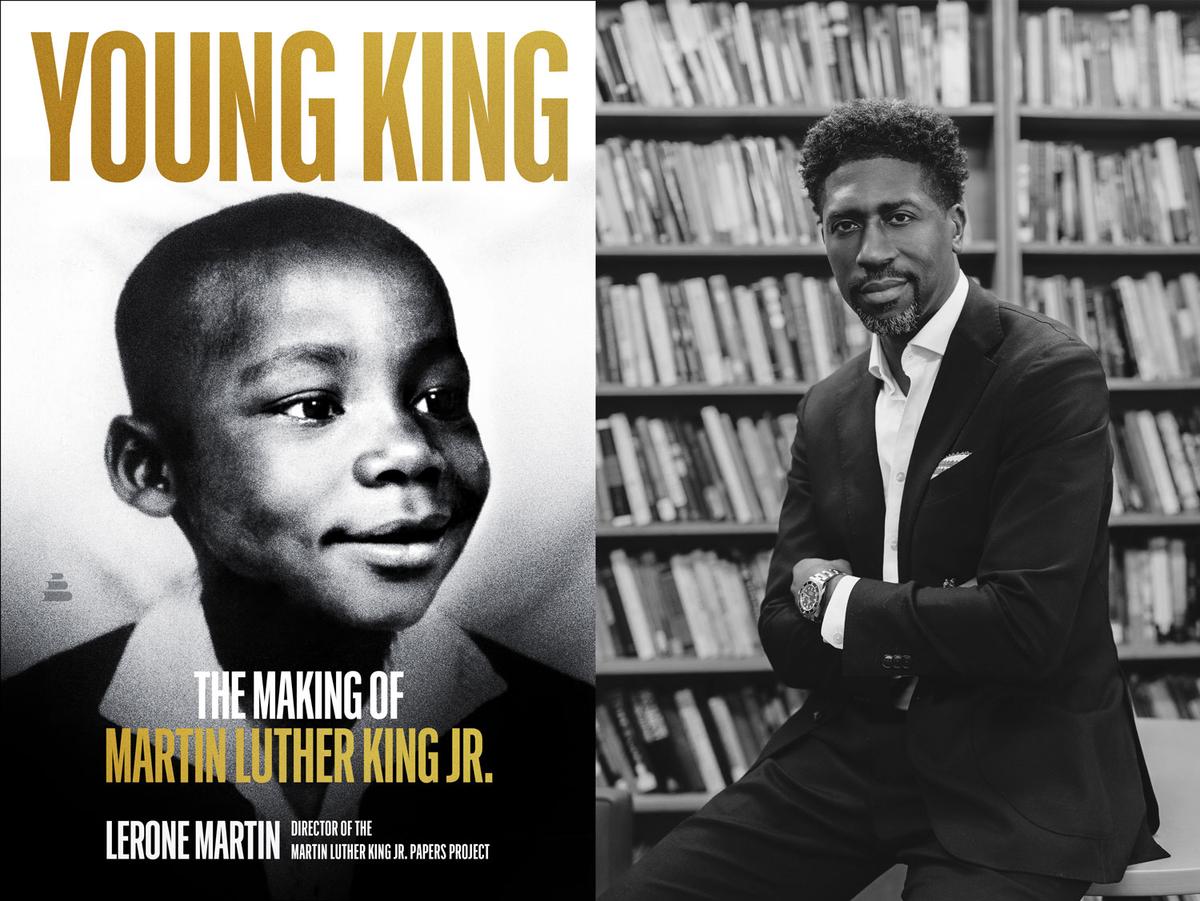
Young King: The Making of Martin Luther King Jr., a 420‑page biography by Stanford scholar Lerone Martin, opens a window onto the civil‑rights icon’s teenage years. Drawing on personal letters, health records and contemporaneous accounts, Martin chronicles King’s 1944 stint as a shade‑tobacco picker in Simsbury, Connecticut—a rare glimpse of a Black teenager working outside the Jim Crow South. The narrative also details a brief but intense period of agnosticism triggered by his grandmother’s death, revealing a young man wrestling with doubt before embracing the ministry that would define his public life.
The Connecticut experience introduced King to an all‑white congregation, marking his first encounter with integrated worship. His letters describe the shock of seeing “Negroes and whites worship together,” a moment he later credited as a catalyst for his spiritual rebirth. Simultaneously, King honed his oratory skills, winning a high‑school debate at Booker T. Washington High School and practicing courtroom rhetoric. These formative episodes forged the rhetorical confidence and inclusive vision that propelled the 1963 March on Washington and continue to inform contemporary discussions about faith‑based activism.
Beyond the scholarly tome, Martin plans to translate the story into a graphic‑novel format aimed at young adults, recognizing that visual storytelling can bridge the gap between historical scholarship and today’s digital‑native readers. By presenting King’s youthful doubts, labor on a tobacco farm, and eventual commitment to non‑violent protest, the adaptation promises to humanize a mythic figure and inspire a new generation of civic leaders. The book’s fresh perspective underscores how personal adversity and cross‑racial encounters can shape a leader whose legacy still guides debates over voting rights, racial justice, and the role of religion in public life.
MLK was teen agnostic who rediscovered faith on a tobacco farm, new book reveals
Comments
Want to join the conversation?
Loading comments...