Why It Matters
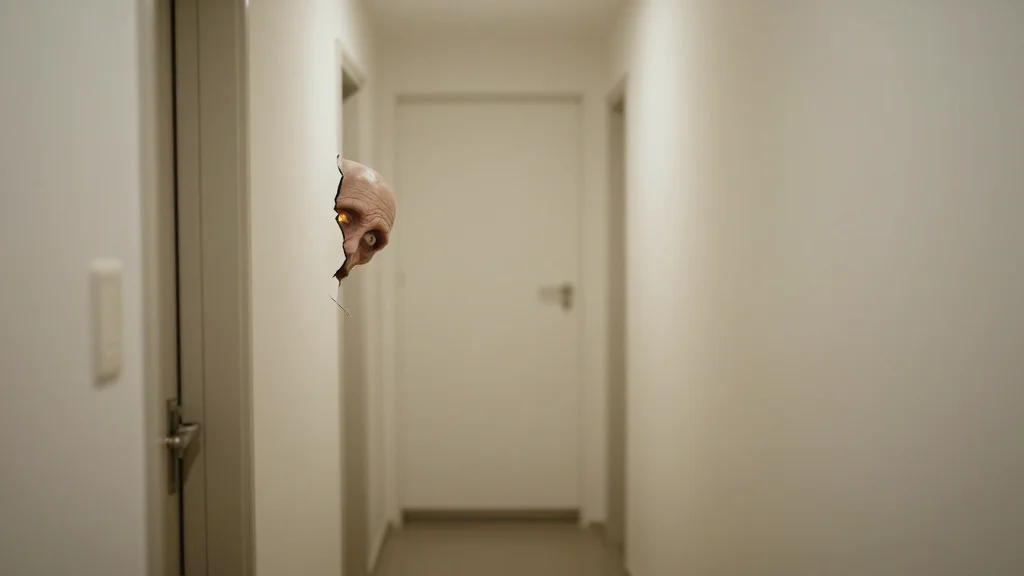
The story illustrates how personal anxiety and creative block can manifest as vivid, monstrous imagery, offering readers insight into the psychological side of the writing process and the broader cultural fascination with the uncanny.
Key Takeaways
- •A night‑time encounter with an undefined creature mirrors the author’s writer’s block
- •The narrative mixes horror detail with reflections on isolation and creative fatigue
- •Naming the monster Clémence transforms fear into a reluctant, personal companion
- •Granta’s publication highlights literary experiments that blur genre boundaries
- •The essay uses vivid sensory language to explore how everyday spaces become uncanny
Pulse Analysis
The Granta piece serves as a modern literary horror that leverages the mundane setting of a cramped apartment to explore deeper psychological themes. By describing a grotesque, ambiguous creature in meticulous detail, the author taps into the human tendency to externalize internal anxieties. This technique resonates with readers who recognize the metaphorical "monster" of creative stagnation, making the story a compelling case study for writers and mental‑health professionals alike. Keywords such as "creative block," "literary horror," and "psychological metaphor" help position the article within both cultural criticism and wellness discussions.
Beyond its eerie narrative, the essay functions as a commentary on the solitary nature of the writing life. The protagonist’s nocturnal vigil, the neighbor’s silent gaze, and the relentless hum of city lights create a backdrop that underscores isolation. By naming the creature Clémence, the author humanizes the terror, suggesting that confronting one’s inner demons can lead to an uneasy acceptance rather than outright defeat. This nuanced portrayal adds depth to the conversation about how artists negotiate fear, inspiration, and the need for companionship in their craft.
For the broader literary market, the story exemplifies how genre‑blending works can attract diverse audiences. Its vivid sensory prose and unsettling imagery appeal to horror enthusiasts, while its introspective layers draw in readers interested in the creative process. As publishers seek content that bridges entertainment and insight, pieces like this demonstrate the commercial viability of experimental narratives that challenge conventional genre boundaries while offering genuine emotional resonance.
My Mother Told Me Monsters Do Not Exist
Comments
Want to join the conversation?
Loading comments...