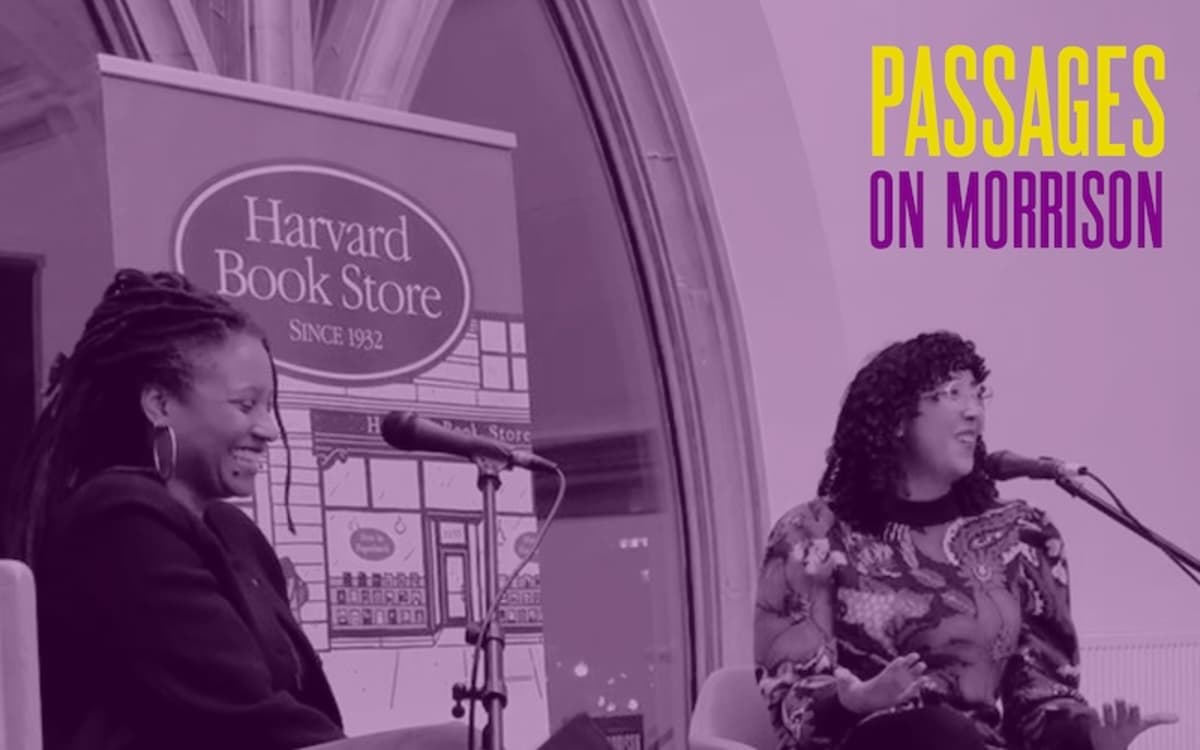
Namwali Serpell and Tracy K. Smith Discuss Toni Morrison’s The Bluest Eye
Companies Mentioned
Why It Matters
The mislabeling of *The Bluest Eye* and the idolization of Morrison limit scholarly and public engagement with her formal artistry, affecting literary curricula and publishing decisions. Recognizing the novel’s true complexity can reshape how educators and readers approach modern American literature.
Key Takeaways
- •Serpell's *On Morrison* launches with live reading of *The Bluest Eye*
- •Morrison's publisher miscategorized debut as adolescent fiction at Library of Congress
- •Both discuss how icon status obscures Morrison's experimental narrative techniques
- •Smith highlights misreading of Morrison's work across academic and popular circles
Pulse Analysis
The recent dialogue between Namwali Serpell and Tracy K. Smith does more than celebrate Toni Morrison’s legacy; it spotlights a persistent misreading of *The Bluest Eye*. By foregrounding the novel’s opening—an ostensibly simple description that collapses into a stream of consciousness—Serpell illustrates Morrison’s deliberate subversion of the “Dick and Jane” ideal. This technique forces readers to confront the mechanical veneer of whiteness and prosperity, while the Black voice that follows punctures the illusion, revealing the lived reality behind the façade.
A surprising revelation from the conversation is the publisher’s decision to submit *The Bluest Eye* to the Library of Congress as adolescent fiction. Morrison herself resisted this classification, insisting the work addressed adult forces of racism and trauma. The miscategorization has had lasting effects: educators often position the novel as a junior‑high text, emphasizing its themes of abuse while sidelining its modernist structure. This has contributed to a generation of readers who recognize the story’s emotional weight but miss its formal innovations.
Understanding Morrison’s experimental approach is crucial for both academia and the publishing industry. When a work is reduced to a set of slogans or thematic bullet points, its technical brilliance—layered narratives, fragmented syntax, and lyrical density—gets eclipsed. Serpell’s *On Morrison* argues for a reading practice that privileges close, collaborative analysis, restoring attention to the craft that made Morrison a literary pioneer. By re‑examining the novel’s form, scholars can better appreciate its influence on contemporary writers and ensure that future curricula treat it as a complex, adult‑level text rather than a simplified teaching tool.
Namwali Serpell and Tracy K. Smith Discuss Toni Morrison’s The Bluest Eye
Comments
Want to join the conversation?
Loading comments...