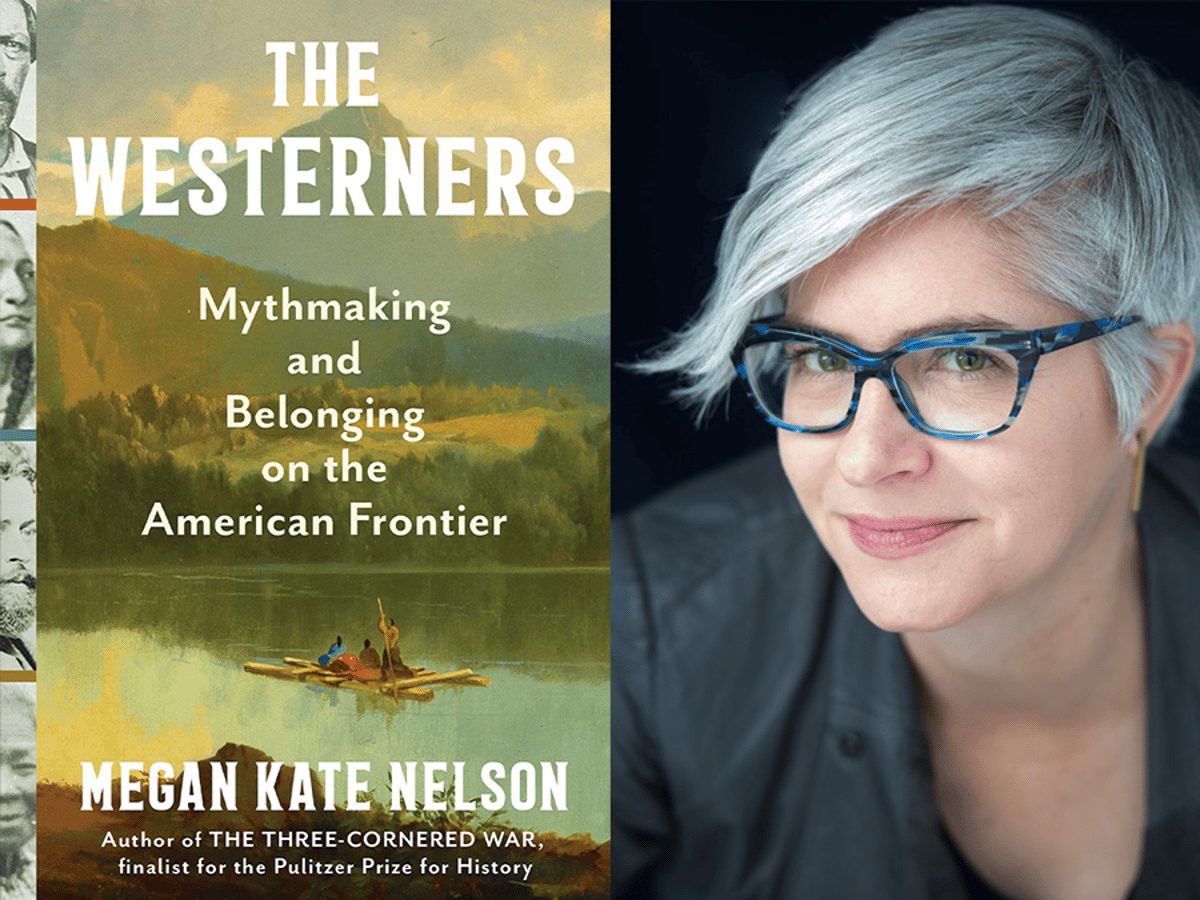
Not Your Father’s Wild, Wild West
Why It Matters
By exposing the multicultural reality of westward expansion, the book reshapes public perception and academic discourse about American identity. Its fresh perspective fuels broader conversations on inclusion and the roots of regional diversity.
Key Takeaways
- •Book spotlights Sacagawea beyond Lewis & Clark expedition
- •Jim Beckwourth links multiple frontier events as “19th‑century Forrest Gump.”
- •Maria Gertrudis Barceló emerges as powerful New Mexico businesswoman
- •Polly Bemis illustrates Chinese presence in remote Idaho mining towns
- •Nelson argues West’s 19th‑century population was small, fostering interconnectedness
Pulse Analysis
The Westerners arrives at a moment when the American public is re‑examining the myths that have long defined the nation’s past. Nelson, a Pulitzer‑finalist historian, leverages a decade of primary‑source work to dismantle the monolithic image of a lone, white pioneer conquering an empty continent. Instead, she presents a mosaic of travelers—Indigenous guides, enslaved‑born frontiersmen, immigrant entrepreneurs—whose intersecting journeys reveal a frontier that was as socially intricate as it was geographically vast. This approach not only enriches historical scholarship but also aligns with contemporary demands for more inclusive narratives.
Central to the book’s appeal is its focus on vivid, often overlooked characters. Sacagawea’s life is traced beyond the famed Lewis and Clark expedition, highlighting her agency in forging alliances between Hidatsa peoples and American traders. Jim Beckwourth, described as the "19th‑century Forrest Gump," serves as a connective thread linking fur trade, gold rushes, and military scouting. Meanwhile, Maria Gertrudis Barceló’s rise from a Spanish‑born immigrant to a dominant Santa Fe businesswoman illustrates how women navigated and shaped frontier economies. Polly Bemis’s story of forced migration and eventual fame in Idaho’s Chinese mining community underscores the depth of Asian contributions long erased from mainstream histories.
The broader implication of Nelson’s work is a recalibration of how the West is taught, marketed, and remembered. By foregrounding diversity, the book challenges tourism brands, school curricula, and media portrayals that still rely on the rugged‑individualist trope. For policymakers and cultural institutions, the findings offer a roadmap for more accurate heritage preservation and inclusive storytelling. As readers seek nuanced accounts of America’s formation, The Westerners positions itself as a definitive reference that bridges academic rigor with compelling narrative, meeting the growing appetite for histories that reflect the nation’s true pluralism.
Not your father’s Wild, Wild West
Comments
Want to join the conversation?
Loading comments...