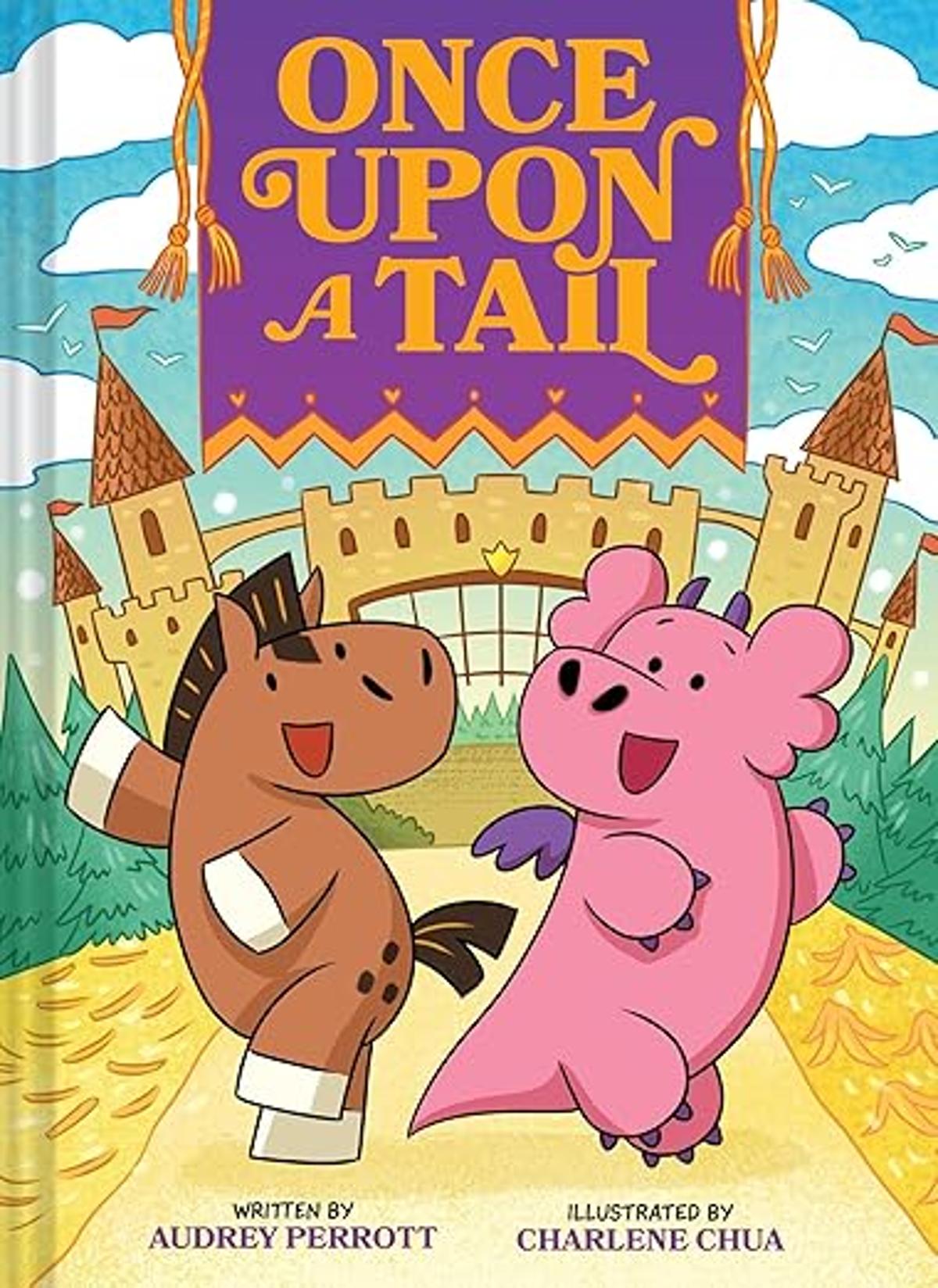
Once Upon a Tail: A Horse and Dragon Graphic Novel Perfect for Emerging Readers
Key Takeaways
- •First title in Abrams' early‑reader graphic novel series
- •Targets ages 5‑9 with accessible vocabulary and visuals
- •Blends humor with social‑emotional themes for reluctant readers
- •Comparable to Mo Willems’ Elephant & Piggie series
- •Hardcover priced at $14.99, suitable for classroom libraries
Pulse Analysis
The children’s publishing landscape has seen a steady rise in graphic‑novel offerings that cater to early readers, a segment traditionally dominated by picture books. Industry analysts note that visual‑driven narratives boost word recognition and comprehension, especially for kids who struggle with dense text. By integrating illustrations with concise dialogue, publishers can capture attention while reinforcing phonetic patterns, a strategy that aligns with current literacy‑development research.
"Once Upon a Tail" leverages this formula, pairing a disciplined horse with a whimsical dragon to explore themes of friendship, confidence, and empathy. The three self‑contained stories use bright, expressive art to guide readers through plot twists without overwhelming them with language. Subtle social‑emotional cues—such as stepping out of comfort zones and celebrating individuality—mirror the objectives of popular series like Mo Willems’ Elephant & Piggie, positioning the book as a natural bridge to more complex chapter books.
For educators and parents, the title offers a versatile classroom resource that can be read aloud or used for independent practice. Its hardcover durability and modest $14.99 price point make it a cost‑effective addition to school libraries and home collections. As the market continues to prioritize inclusive, engaging content for emerging readers, Abrams’ entry could spark a wave of similar graphic‑novel series, reinforcing the commercial viability of visual literacy tools.
Once Upon a Tail: A Horse and Dragon Graphic Novel perfect for emerging readers
Comments
Want to join the conversation?