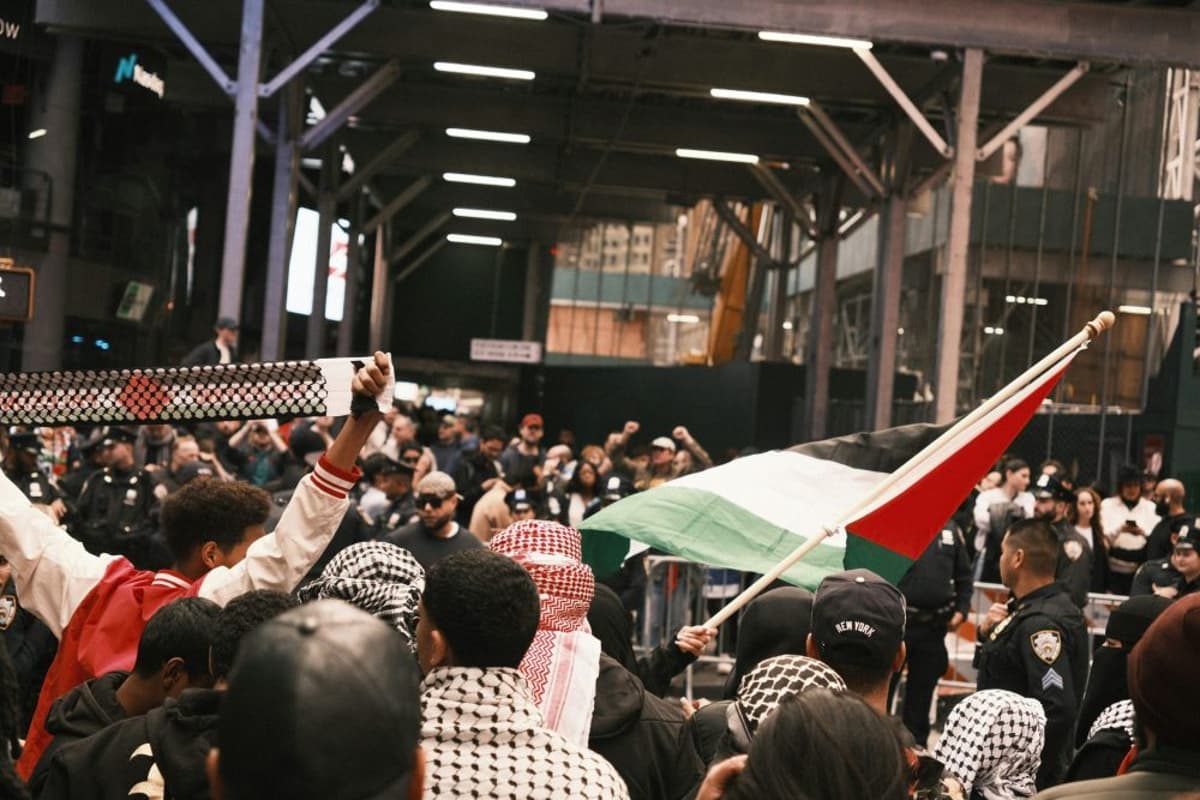
Othered Into Belonging as a Palestinian American in Toledo, Ohio
Companies Mentioned
Why It Matters
The novel amplifies under‑represented Arab‑American voices, offering insight into how displacement shapes identity and informing broader debates on immigration, Islamophobia, and cultural memory.
Key Takeaways
- •Carryout follows a Palestinian‑Lebanese family across three Toledo generations.
- •Novel highlights post‑9/11 Muslim identity struggles in Midwestern US.
- •Author uses nostalgia to explore exile and cultural memory.
- •Story examines marriage as a tool for preserving Arab heritage.
- •Dudar links personal displacement to broader Western imperialist narratives.
Pulse Analysis
*Carryout* arrives at a moment when Arab‑American literature is gaining critical traction, positioning Hasan Dudar as a fresh voice that bridges personal memoir and broader diaspora narratives. By situating a Palestinian‑Lebanese family in Toledo—a city with an Arab community dating back to the 1880s—Dudar foregrounds a regional experience often eclipsed by coastal immigrant stories. This geographic focus underscores how displacement reverberates across the United States, offering readers a nuanced view of the Palestinian diaspora that extends beyond the traditional focus on New York or California.
The novel’s core themes—exile, nostalgia, and the negotiation of identity after 9/11—resonate with contemporary discussions about Islamophobia and cultural assimilation. Dudar illustrates how marriage, language retention, and community rituals become strategic tools for preserving heritage, while also exposing the tension between integration and cultural erasure. Characters grapple with the paradox of longing for a homeland that may no longer exist, a sentiment amplified by Western imperialist narratives that often marginalize Palestinian voices. By weaving personal anecdotes with historical context, *Carryout* invites readers to consider how memory shapes identity and how intergenerational trauma can be both a burden and a source of resilience.
Beyond its literary merits, *Carryout* functions as a cultural artifact that contributes to ongoing activism surrounding Palestinian rights and immigrant representation. The book’s emphasis on storytelling as a means of resistance aligns with broader movements that use art to counteract erasure and misinformation. For publishers and booksellers, the novel signals a growing market appetite for authentic, region‑specific immigrant narratives that challenge monolithic portrayals of the Middle East. As American readers seek deeper understanding of complex identities, works like Dudar’s provide both empathy and insight, reinforcing the vital role of literature in shaping public discourse.
Othered Into Belonging as a Palestinian American in Toledo, Ohio
Comments
Want to join the conversation?
Loading comments...