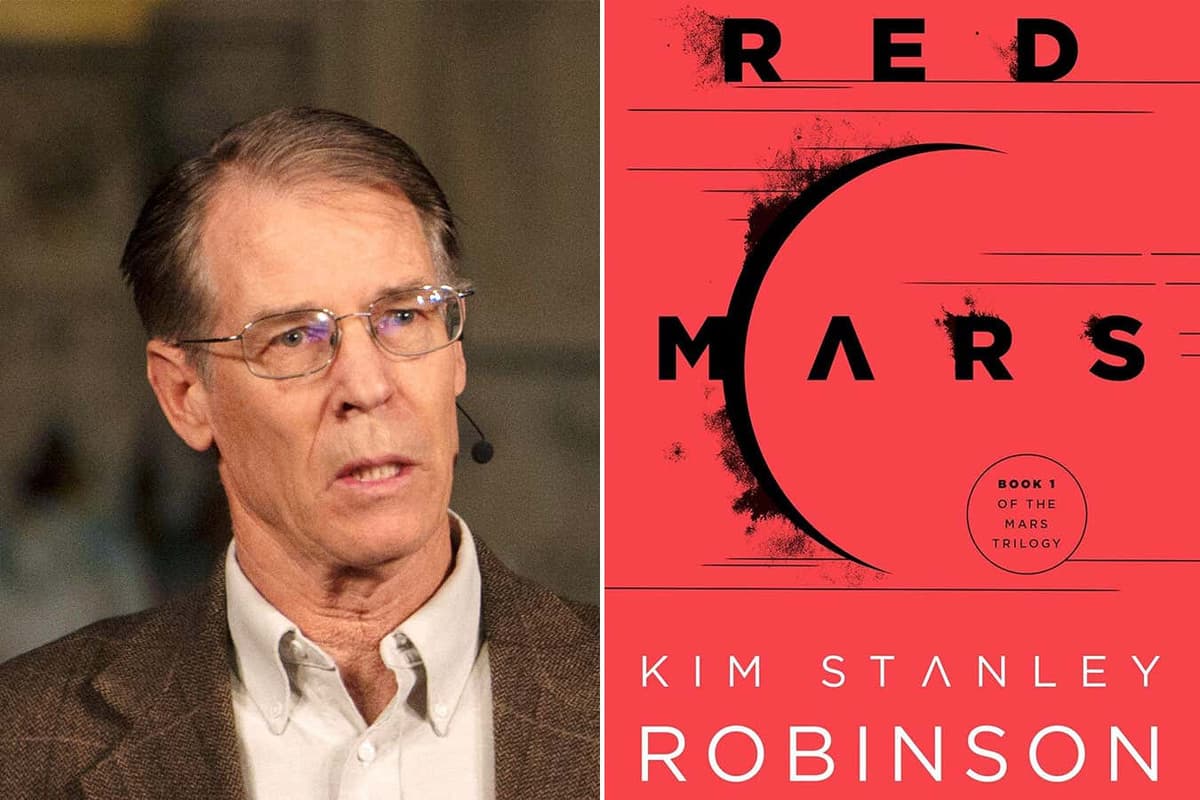
Our Verdict on Red Mars: Mostly Great, with a Few Quibbles
Why It Matters
The experiment shows how legacy sci‑fi can still galvanise large, engaged audiences and shape public discourse on real‑world space policy. It also highlights the gap between speculative fiction’s nuanced cautionary tales and today’s commercial Mars ambitions.
Key Takeaways
- •New Scientist Book Club read Red Mars in 30 days, 25k members.
- •Readers praised Mars descriptions, criticized love‑triangle and character depth.
- •Author defended flash‑forward opening as narrative tension device.
- •Robinson dismissed Elon Musk’s Mars colonisation hype as “crap”.
Pulse Analysis
Kim Stanley Robinson’s *Red Mars* remains a cornerstone of hard science fiction, offering a meticulously researched vision of humanity’s first settlement on the Red Planet. Its blend of political intrigue, environmental ethics, and engineering challenges anticipates today’s renewed interest in Mars exploration, from NASA’s Artemis program to private ventures. By framing colonisation as a complex social experiment rather than a heroic sprint, the novel provides a counter‑narrative to the glossy optimism that dominates mainstream media.
The New Scientist Book Club’s 30‑day sprint turned the novel into a communal experience for over 25,000 readers, leveraging Discord to surface real‑time reactions. Participants highlighted the book’s strengths—its sweeping Martian vistas and plausible terraforming scenarios—while critiquing the protracted love triangle and uneven character development. Such crowd‑sourced feedback illustrates how digital platforms can revive classic literature, creating fresh dialogue that bridges generational gaps and enriches the collective understanding of speculative futures.
Robinson’s interview added another layer, as he defended the novel’s flash‑forward opening and openly dismissed the hype surrounding Elon Musk’s Mars colonisation agenda. By calling the rhetoric “crap,” he underscored a broader industry tension: the clash between visionary storytelling that warns of unintended consequences and commercial narratives that promise quick fixes. This discourse signals that sci‑fi continues to serve as a vital think‑tank, shaping policy conversations and reminding stakeholders that sustainable planetary settlement demands more than engineering prowess—it requires deep social foresight.
Our verdict on Red Mars: Mostly great, with a few quibbles
Comments
Want to join the conversation?
Loading comments...