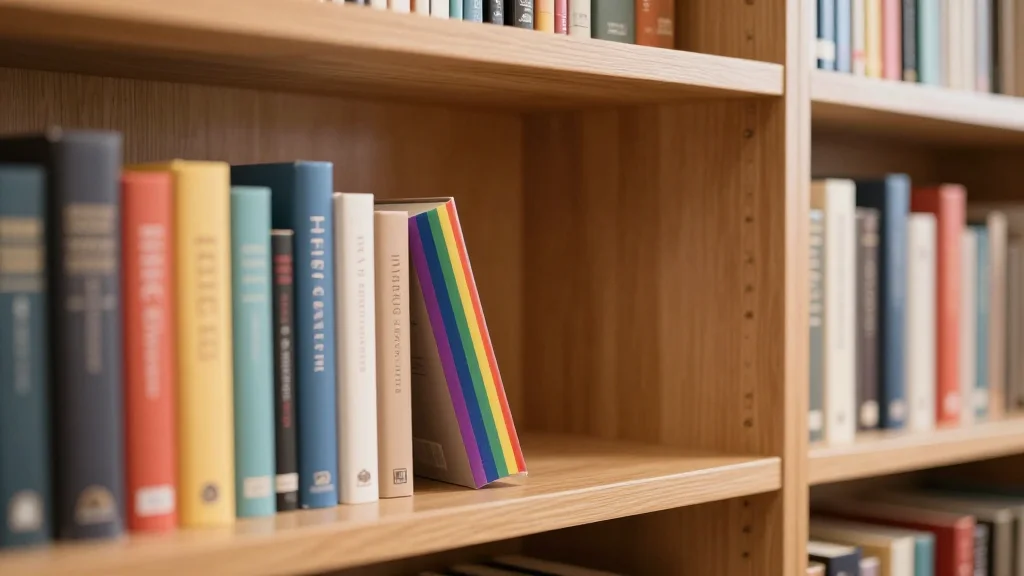
Over 23,000 Book Bans Documented as LGBTQ+ and Authors of Color Face Nationwide Crackdown

Why It Matters
The surge in book bans threatens the diversity of ideas available to students, undermining the principle of intellectual freedom that underpins public education. By targeting LGBTQ+ narratives and authors of color, the campaign narrows cultural representation, limiting young readers' exposure to varied experiences and histories. Economically, the bans jeopardize the viability of authors and publishers who specialize in these stories, potentially leading to self‑censorship and a homogenized literary market. Beyond the immediate impact on schools, the coordinated tactics signal a broader political strategy to reshape cultural discourse through legislation. If unchecked, this could set a precedent for future content restrictions across media, reinforcing a climate where dissenting or marginalized voices are systematically excluded from public discourse.
Key Takeaways
- •More than 23,000 book bans documented in the U.S. over the past five years.
- •4,235 unique titles faced challenges in 2025, the second‑highest annual total recorded.
- •Activist groups coordinate challenges and lobby state legislators to embed bans in law.
- •Authors report economic loss as school visits disappear, prompting fears of self‑censorship.
- •Nonfiction bans have doubled, targeting history, health and activism titles.
Pulse Analysis
The current wave of book bans marks a strategic escalation from ad‑hoc complaints to a national, policy‑driven campaign. Historically, censorship efforts have been localized, but the emergence of organized networks like Moms for Liberty has transformed the battlefield into a coordinated front that leverages both grassroots mobilization and legislative influence. This shift mirrors broader cultural wars where control over educational content becomes a proxy for larger ideological battles.
From a market perspective, the financial strain on authors and publishers could accelerate a chilling effect, prompting industry players to prioritize "safe" titles over riskier, socially relevant works. This self‑censorship risk is compounded by the fact that school districts remain a major sales channel for young‑adult and middle‑grade books. As revenue streams contract, publishers may tighten acquisition criteria, reducing the pipeline for diverse voices and reinforcing the very homogeneity that activists seek.
Looking ahead, the legal arena will likely become a critical front. Civil‑rights organizations and publishing coalitions are poised to challenge bans on First Amendment grounds, but success will depend on judicial willingness to confront state‑level legislation framed as protecting children. The outcome will shape not only the future of LGBTQ+ and authors‑of‑color literature but also set a benchmark for how cultural content is regulated in the United States for years to come.
Over 23,000 Book Bans Documented as LGBTQ+ and Authors of Color Face Nationwide Crackdown
Comments
Want to join the conversation?
Loading comments...