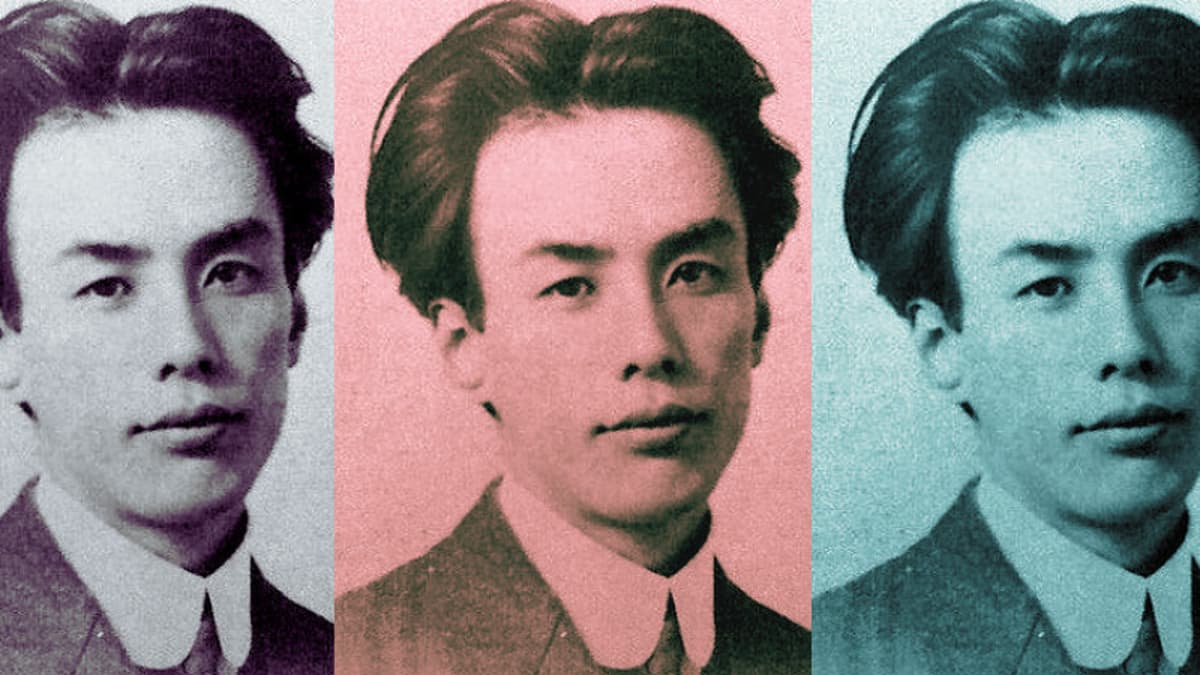
Why It Matters
The anthology expands the Western literary market’s exposure to Akutagawa’s experimental forms, reinforcing demand for high‑quality literary translation and deepening cross‑cultural dialogue.
Key Takeaways
- •Akutagawa's 'Hell of Solitude' blends poems with lesser‑known short pieces.
- •Translator Ryan Choi curates a collection emphasizing narrative skepticism.
- •The work highlights Akutagawa's 'un‑storylike' storytelling philosophy.
- •Western readers often only recognize Akutagawa through the Rashōmon adaptation.
- •The collection underscores modern loneliness via historic Japanese literary lenses.
Pulse Analysis
Ryūnosuke Akutagawa remains a cornerstone of Japanese literature, yet his influence often stalls at the borders of the English‑speaking world. Hell of Solitude, translated by veteran specialist Ryan Choi, breaks that barrier by assembling poems, catalog‑style sketches, and fragmentary narratives that defy conventional plot. This approach mirrors Akutagawa’s own late‑career experiments, where he questioned the primacy of story structure in favor of raw, painterly feeling—a concept he likened to Cézanne’s brushwork. By presenting these “un‑storylike” pieces together, the anthology invites readers to experience the author’s minimalist aesthetic without the crutch of familiar plot arcs.
The collection arrives at a moment when cultural consumers are hungry for authentic, non‑Western perspectives. While the Akutagawa Prize signals industry insiders’ respect, mainstream audiences often only associate his name with the 1950 film Rashōmon, missing the breadth of his oeuvre. Hell of Solitude offers a corrective by showcasing lesser‑known works such as “Bad Omens,” “The Zoo,” and the sequel to the crab‑and‑monkey folktale, each exposing his skill at turning traditional myths into modern meditations on solitude. This depth not only enriches literary curricula but also fuels publishing pipelines seeking fresh, translated content that resonates with contemporary themes of isolation.
Beyond literary merit, the anthology speaks to a broader societal trend: increasing digital loneliness. Akutagawa’s exploration of a “hell of solitude”—the quiet, pervasive ache of being alone—finds a surprising echo in today’s hyper‑connected yet emotionally fragmented lives. By stripping narrative excess and focusing on stark, sensory moments, the book provides a contemplative space where readers can confront their own solitude. For publishers, educators, and cultural curators, the work demonstrates how classic literature can be repurposed to address modern anxieties, reinforcing the commercial and intellectual value of translating seminal foreign texts.
Polly Barton on Ryūnosuke Akutagawa’s Hell of Solitude
Comments
Want to join the conversation?
Loading comments...