Posing and Passing in Translation: From Amara Lakhous to Elena Ferrante and Jhumpa Lahiri
Key Takeaways
- •Lakhous’s novel uses a migrant translator protagonist to expose Italian identity fluidity
- •Ferrante’s Neapolitan novels depict dialect abandonment as a path to social mobility
- •Lahiri’s “In Other Words” chronicles elective exile and self‑translation into Italian
- •Ann Goldstein translates all three works, shaping their English reception
- •Posing vs. passing highlights tension between authentic self and assimilated identity
Pulse Analysis
The concepts of "posing" and "passing" have become critical lenses for scholars examining exophonic writing—authors who adopt a non‑native language for literary production. In the Italian context, these mechanisms illuminate how language operates as both a barrier and a bridge for migrants and internal migrants. By treating translation as a performative space, the essay situates linguistic choice at the heart of identity formation, showing that the act of writing in Italian is itself a negotiation of belonging, trauma, and cultural capital.
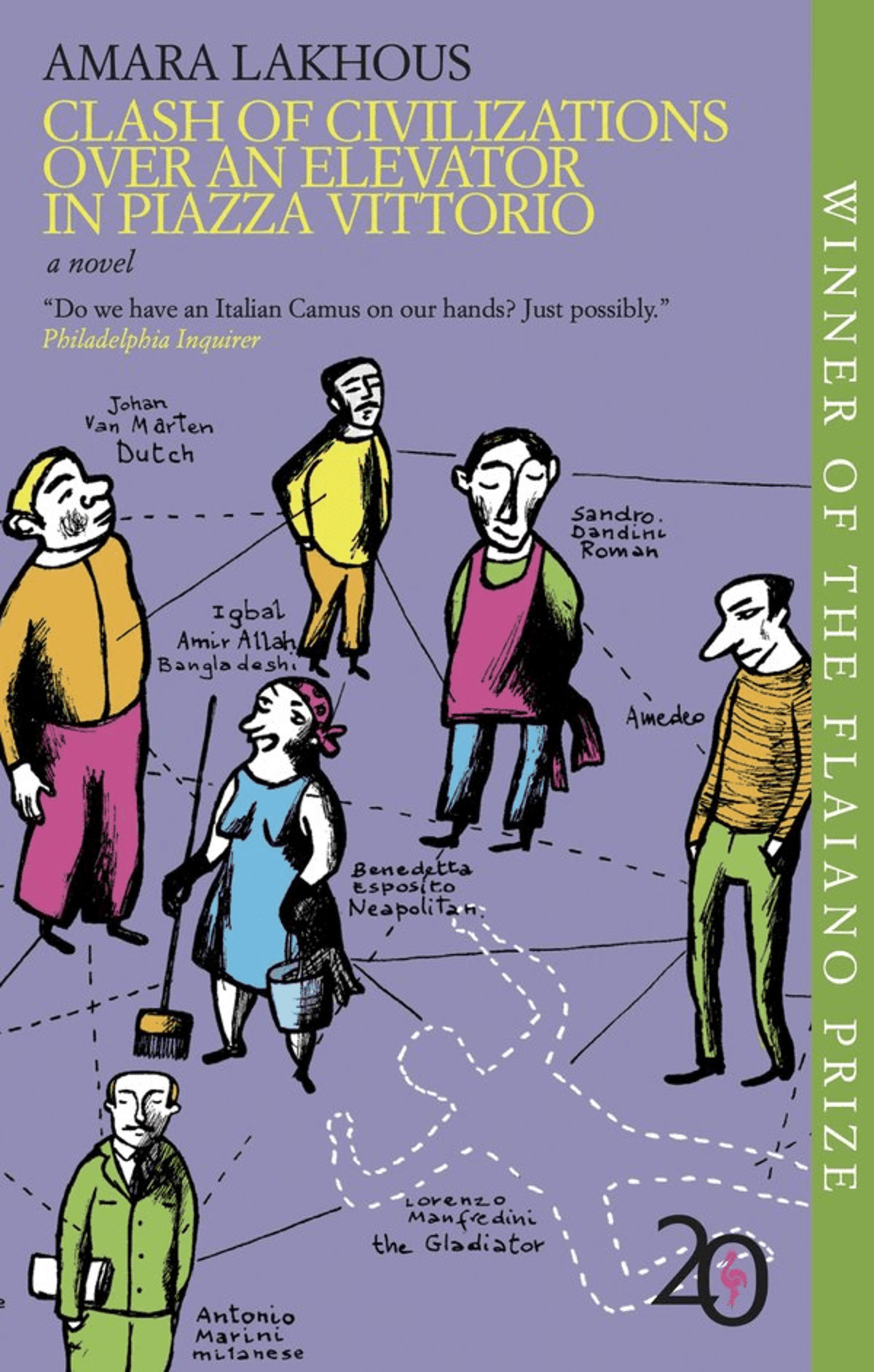
Lakhous, Ferrante, and Lahiri each embody distinct trajectories of linguistic negotiation. Lakhous’s *Clash of Civilizations* follows Amedeo, an Algerian refugee who adopts a flawless Italian persona, using his translator role to mask painful memories. Ferrante’s Neapolitan series portrays Elena Greco’s deliberate abandonment of her Neapolitan dialect in favor of standard Italian, a move that grants social mobility but erodes her original voice. Lahiri’s memoir *In Other Words* documents an elective exile, where the celebrated Anglophone author immerses herself in Italian, confronting the anxiety of never fully passing as native. All three narratives converge in their reliance on Ann Goldstein’s English translations, which mediate the subtleties of dialect, trauma, and self‑translation for a global readership.
Beyond literary analysis, the essay’s findings have broader implications for translation studies and cultural policy. By highlighting how translation can both conceal and reveal migrant experiences, it challenges monolingual notions of national literature and underscores the market potential of exophonic works. Publishers and scholars alike must recognize that the act of translating—especially when the translator shares a consistent voice across multiple authors—shapes not only textual meaning but also the cultural legitimacy of immigrant narratives within the Italian and international literary canon.
Posing and Passing in Translation: from Amara Lakhous to Elena Ferrante and Jhumpa Lahiri
Comments
Want to join the conversation?