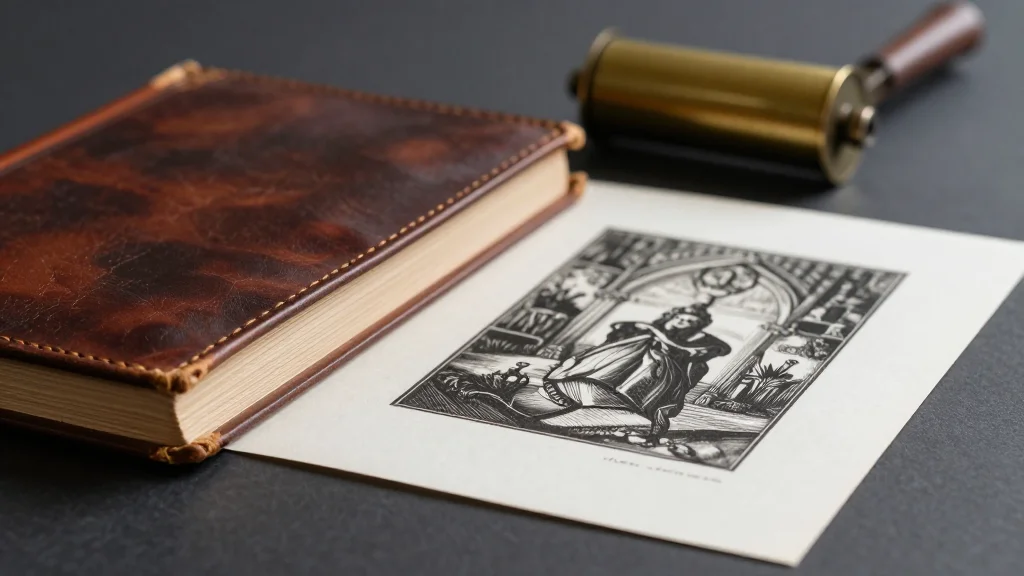
Pressing Issues: The Vital Role of Printmaking in the History of Art
Why It Matters
The title provides scholars, collectors, and educators a unified reference for printmaking, a field previously fragmented across technical and historical texts. Its inclusive scope reshapes how institutions value and exhibit printed works, influencing market demand and academic curricula.
Key Takeaways
- •Printmaking history spans from 9th‑century East Asia to digital era
- •Black combines scholarly research with hands‑on printing demonstrations
- •Highlights overlooked women such as Wu Zetian and Volcxken Diericx
- •Profiles Robert Blackburn’s Chelsea workshop, still active via Elizabeth Foundation
- •Yale Press release fills gap: no global print‑image history existed
Pulse Analysis
The launch of *The Story of Printmaking* arrives at a moment when the art world is re‑evaluating medium‑specific narratives. By defining a print as any image transferred through ink or a viscous medium, Black creates a clear taxonomy that bridges traditional woodcuts with contemporary digital prints. Her meticulous documentation of techniques—from early block printing in Tang‑era China to modern inkjet processes—offers readers a tactile sense of how each method shapes visual language. This breadth not only satisfies academic rigor but also equips curators with a practical lexicon for interpreting diverse collections.
Equally compelling is the book’s emphasis on the often‑overlooked contributions of women and independent studios. Black foregrounds figures like Wu Zetian, whose patronage propelled early Chinese print culture, and Volcxken Diericx, a 16th‑century business partner who ran Antwerp’s pivotal publishing house. The narrative also celebrates Robert Blackburn’s Chelsea workshop, which continues to nurture artists through the Elizabeth Foundation. By weaving these stories into the broader canon, Black challenges the male‑centric mythos that has long dominated print history and signals a shift toward more inclusive scholarship.
For the market and educational sectors, the volume serves as a strategic resource. Collectors can now trace provenance and technique with greater confidence, potentially elevating the valuation of prints previously deemed peripheral. Universities and museums gain a single, authoritative text to structure curricula and exhibition programming, fostering deeper public appreciation for the medium’s technical and cultural relevance. As digital reproduction tools evolve, Black’s work underscores the enduring importance of the physical act of printing, ensuring that the craft remains a vibrant, studied, and collectible art form.
Pressing issues: the vital role of printmaking in the history of art
Comments
Want to join the conversation?
Loading comments...