Why It Matters
The trend turns a once‑satirical critique into a lucrative influencer business model, reshaping how status, consumption, and mental health intersect in the digital economy.
Key Takeaways
- •Bateman inspires extreme "looksmaxxing" community.
- •Influencers monetize self-modification, earning millions.
- •Luxury reservation apps echo Dorsia exclusivity.
- •Digital status symbols replace 80s Wall Street power.
- •Moral panic resurfaces via viral meme culture.
Pulse Analysis
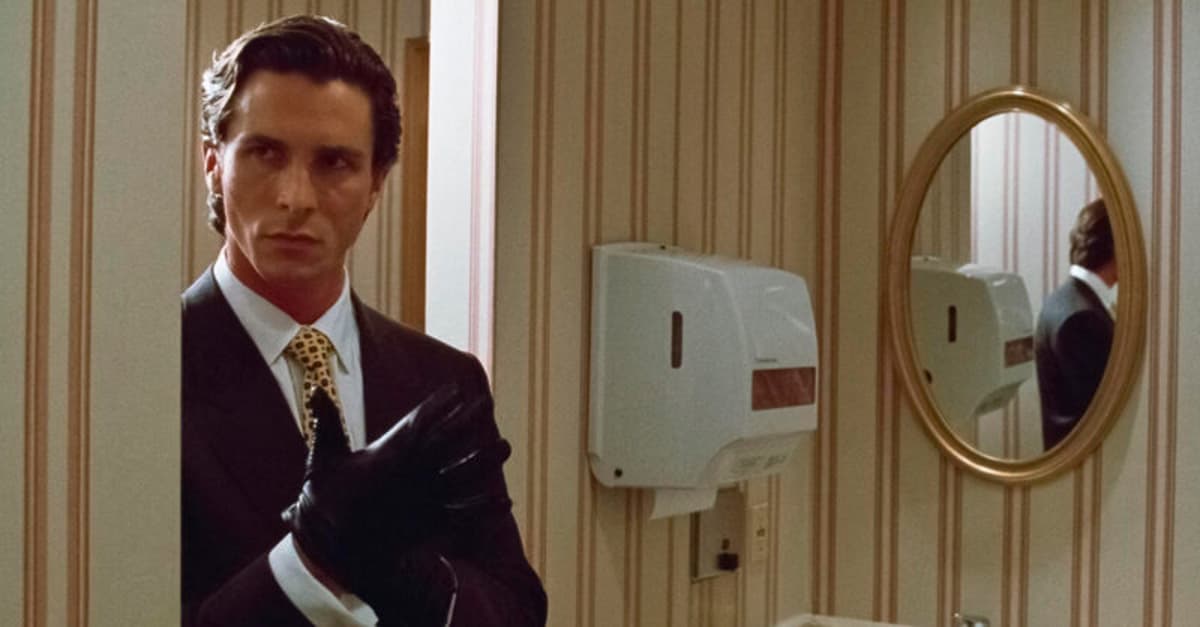
The resurgence of *American Psycho* is more than literary nostalgia; it fuels a subculture that idolizes Patrick Bateman’s hyper‑curated aesthetic. Young men on platforms like TikTok and Twitch remix the novel’s morning‑routine monologue into visual rituals, pushing the boundaries of body modification, steroid use, and facial engineering. This meme‑driven obsession, dubbed "looksmaxxing," reframes the novel’s satire as a handbook for achieving an unattainable, hyper‑masculine ideal, while simultaneously providing a shared language for a community that feels alienated from traditional pathways to success.
From a business perspective, the looksmaxxing craze has birthed a profitable influencer ecosystem. Streamers such as Clavicular monetize extreme self‑improvement videos, sponsorships, and merchandise, generating revenues that can exceed $1 million annually. Parallel tech ventures—reservation platforms modeled after the fictional Dorsia, AI‑driven image‑enhancement apps, and crypto‑backed status tokens—capitalize on the same desire for exclusive, visible markers of wealth. These services illustrate how a cultural artifact can spawn new revenue streams, blurring the line between satire and market opportunity in the attention economy.
The broader implication is a deepening of digital isolation and performative consumption. As Bateman’s emptiness becomes a badge of honor, users trade authentic connection for curated perfection, reinforcing a feedback loop that fuels both mental‑health concerns and platform engagement. Marketers and investors must recognize this shift: the appetite for hyper‑curated lifestyles is not a fleeting meme but a structural change in how status is signaled, consumed, and monetized in the post‑pandemic economy.
Psycho masculinity
0
Comments
Want to join the conversation?
Loading comments...