Why It Matters
The review underscores how a strong, character‑driven horror story can elevate a comic’s critical standing and attract broader readership, influencing market demand for mature‑tone graphic novels.
Key Takeaways
- •Perspective shift to mother’s survival story
- •Highlights emotional toll of post‑apocalypse parenting
- •Minimal main character presence emphasizes supporting cast
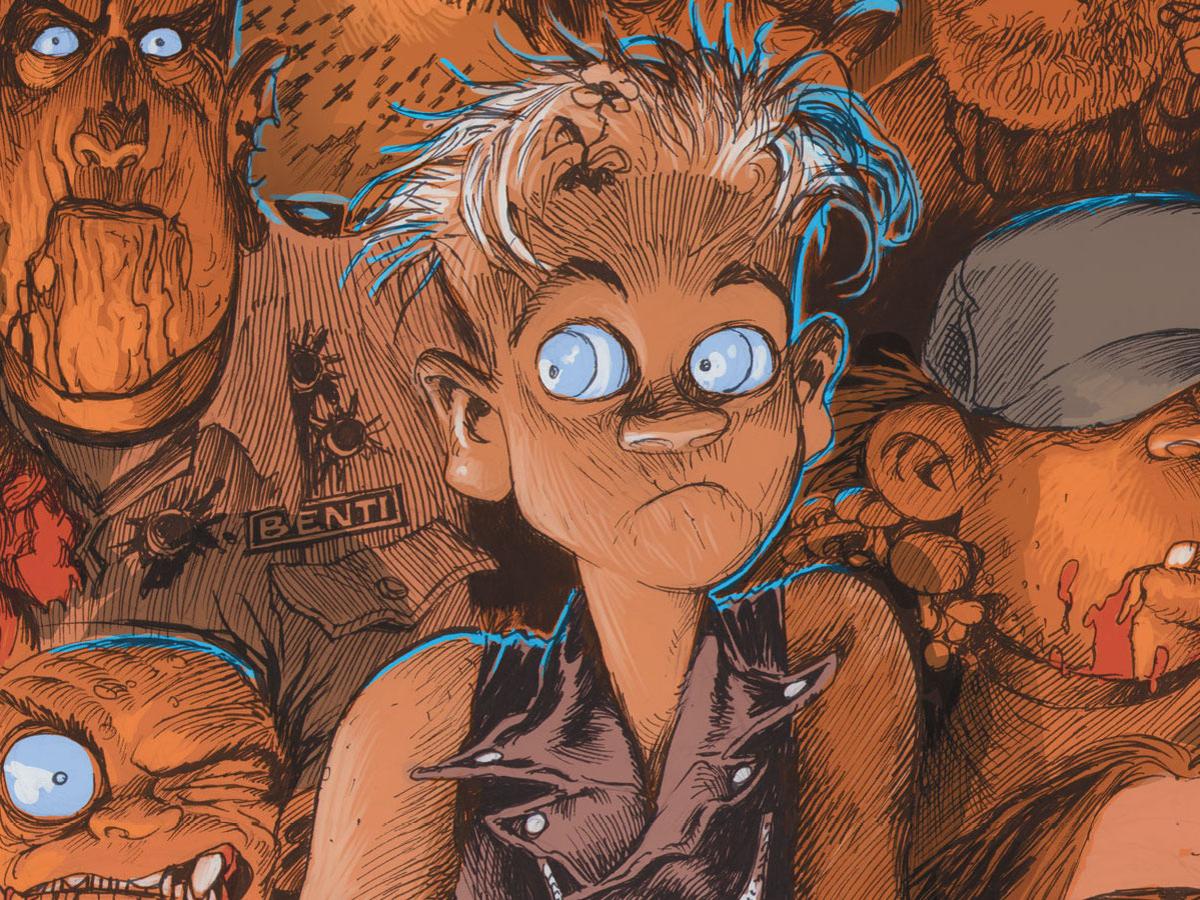
- •Art and colors intensify grim atmosphere
- •Rated 9.5/10, signals high critical acclaim
Pulse Analysis
Bleeding Hearts #2 demonstrates how a shift in perspective can revitalize a horror series. By moving the lens from the collective zombie community to an intimate mother‑and‑child struggle, the comic deepens its emotional stakes. This narrative choice not only humanizes the apocalypse but also invites readers to empathize with the visceral choices a parent must make when every breath could attract the dead. The tight, hour‑long timeline amplifies tension, making each panel feel like a life‑or‑death decision.
Visually, the collaboration between Morian’s stark line work and Hollingsworth’s muted palette crafts a bleak yet compelling atmosphere. The art captures the grotesque details of the undead while simultaneously highlighting the fragile humanity of the protagonists. Such aesthetic cohesion reinforces the story’s grim tone, positioning the issue as a benchmark for horror comics that balance graphic intensity with nuanced storytelling. Critics and collectors alike note that this level of craftsmanship can drive higher resale values and bolster a title’s prestige within the market.
From an industry standpoint, Bleeding Hearts #2’s critical acclaim signals a growing appetite for mature, character‑centric narratives in the comic space. Publishers are increasingly investing in creators who can blend visceral horror with deep psychological insight, a formula that resonates with both niche fans and mainstream audiences. As streaming platforms scout for adaptable content, titles like Bleeding Hearts, with its strong visual identity and emotionally charged plot, become prime candidates for cross‑media expansion, potentially reshaping revenue streams beyond traditional print sales.
Review – Bleeding Hearts #2: The Other Side
0
Comments
Want to join the conversation?
Loading comments...