Why It Matters
The dual‑story structure refreshes the flagship title, aiming to broaden readership and boost sales in a competitive comic market. Positive critical response suggests the format could set a precedent for future DC releases.
Key Takeaways
- •Issue splits story between Hal Jordan and Kyle Rayner.
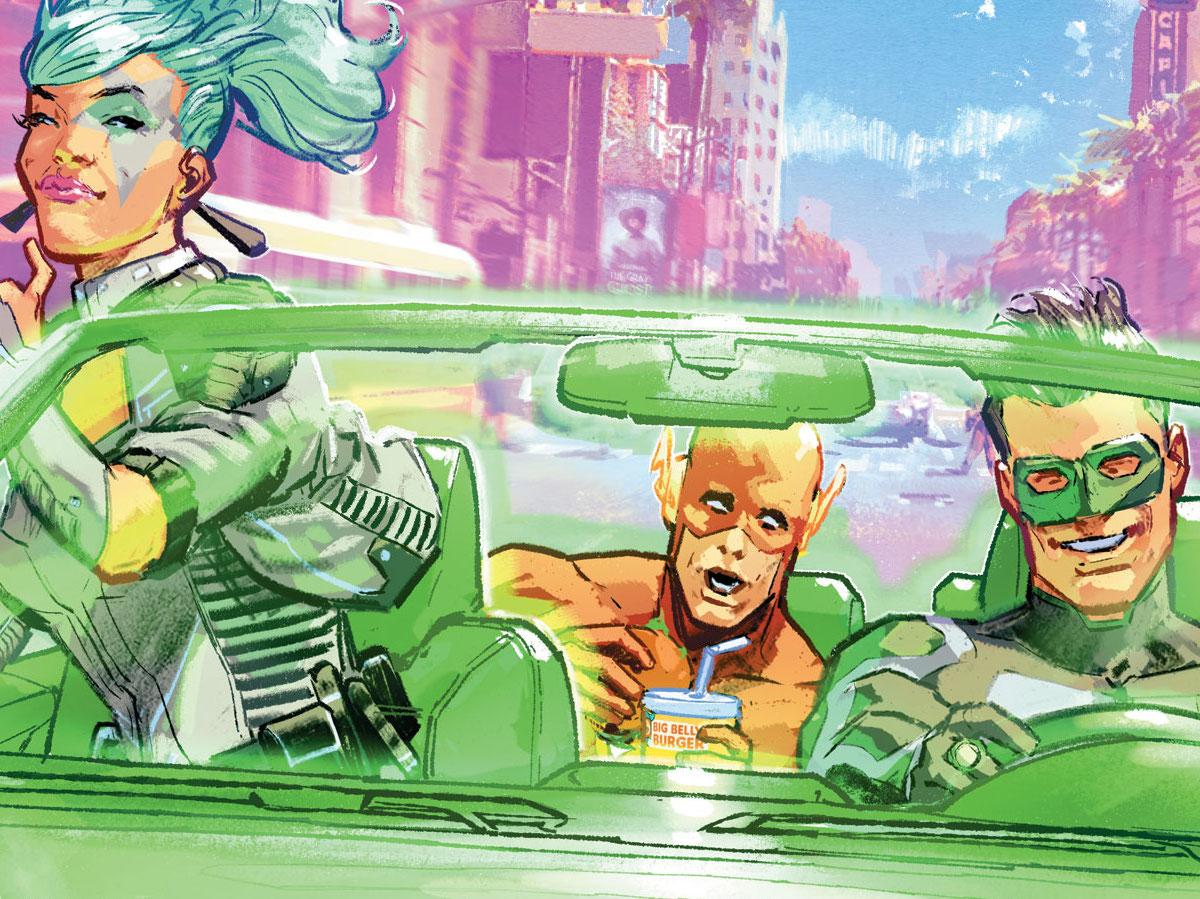
- •Kyle teams with thief Odyssey, battles alien Gridlock in Los Angeles.
- •Hal partners with Jayna to uncover visions, faces aggressive Guardians.
- •New Hollywood subplot adds fresh twist to Lantern mythos.
- •Review awards 9/10, signaling strong fan reception.
Pulse Analysis
DC Comics is experimenting with a two‑track narrative in Green Lantern #34, a move that reflects broader industry trends toward diversified storytelling. By giving Hal Jordan and Kyle Rayner parallel arcs—one in the cosmic arena and the other on gritty Los Angeles streets—the publisher hopes to cater to both longtime fans and newcomers. This approach mirrors successful split‑issue strategies seen in other franchises, where distinct settings generate fresh conflict and expand world‑building without alienating core audiences.
The issue introduces several novel elements that could ripple across the DC universe. Kyle’s partnership with Odyssey, a street‑wise teen, injects a youthful, street‑level perspective, while the alien terrorist Gridlock raises the stakes for Earth‑based Lanterns. Hal’s alliance with Jayna of the Wonder Twins opens doors for cross‑title collaborations, and the aggressive stance of the Guardians hints at deeper political intrigue on Oa. These character additions not only enrich the narrative but also provide fertile ground for future spin‑offs, animated adaptations, or merchandise.
From a market standpoint, the 9/10 rating from GeekDad signals strong critical endorsement, which often translates into higher pre‑order volumes and retail confidence. In an era where comic sales are increasingly driven by event‑type storytelling, DC’s decision to pivot toward a dual‑protagonist format could attract a broader demographic, especially younger readers drawn to the Hollywood subplot. If sales data mirrors the positive reception, other titles may adopt similar structures, reshaping how major publishers balance legacy characters with fresh narrative devices.
Review – Green Lantern #34: Welcome to LA
Comments
Want to join the conversation?
Loading comments...