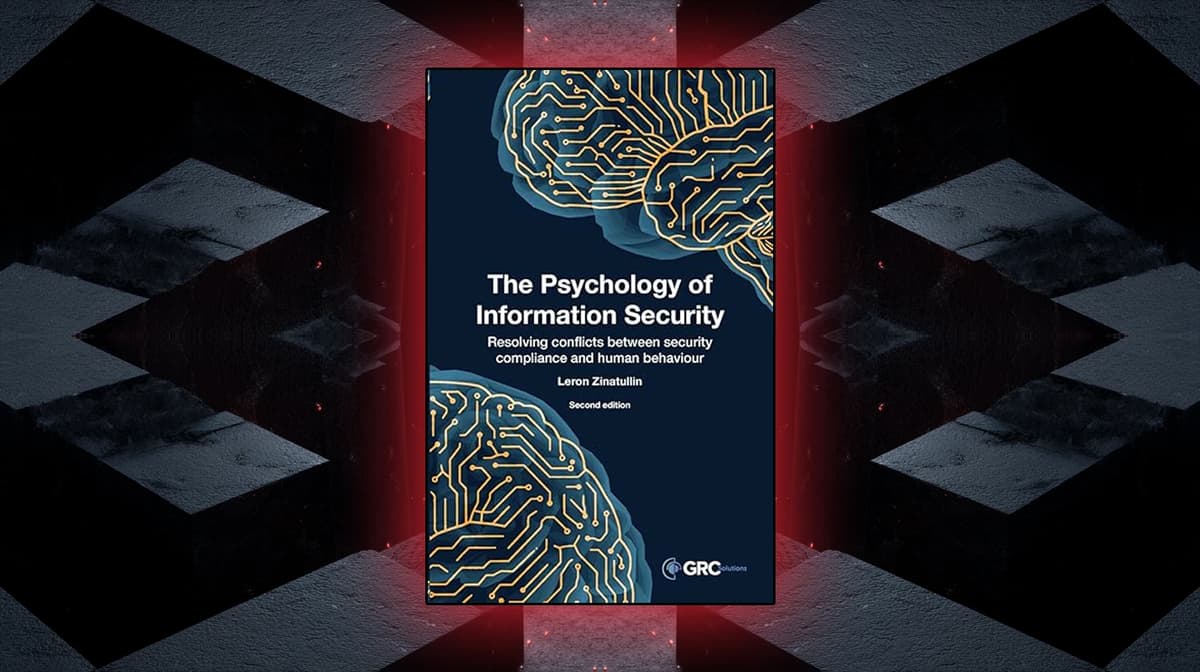
Review: The Psychology of Information Security
Why It Matters
People‑centric security design reduces compliance gaps and lowers organizational risk, a critical advantage as cyber threats grow more sophisticated.
Key Takeaways
- •Human factors drive security control effectiveness.
- •ISO 27001 controls often fail without workflow alignment.
- •COM-B and Fogg models diagnose compliance gaps.
- •Nudges provide quick behavior shifts; boosting builds lasting skills.
- •Security leaders lack metrics to measure policy impact.
Pulse Analysis
The rise of remote work and cloud services has amplified the human element in cyber risk, making people‑centric security strategies more urgent than ever. While traditional technical safeguards remain essential, they often falter when users encounter friction or unclear incentives. By integrating insights from behavioral science, organizations can redesign controls to align with daily workflows, turning security from a hurdle into a seamless habit. This shift not only improves compliance rates but also frees security teams to focus on higher‑order threats.
Zinatullin’s book bridges theory and practice, offering a toolbox of models such as COM‑B, the Fogg Behaviour Model, and nudge theory. These frameworks help pinpoint whether a compliance issue stems from capability, opportunity, or motivation, allowing leaders to tailor interventions—whether a simple prompt or a skill‑building program. The inclusion of real‑world ISO 27001 scenarios underscores how even well‑known standards can generate unintended risk if they ignore employee behavior, highlighting the need for measurable, user‑focused metrics.
For security executives, the takeaway is clear: investing in behavioral diagnostics and iterative, data‑driven policy adjustments yields durable risk reduction. As regulatory pressure mounts and breach costs soar, organizations that embed psychological principles into their security architecture will achieve stronger resilience and a competitive edge. The book serves as a practical guide for translating these concepts into actionable programs that align security objectives with business performance.
Review: The Psychology of Information Security
Comments
Want to join the conversation?
Loading comments...