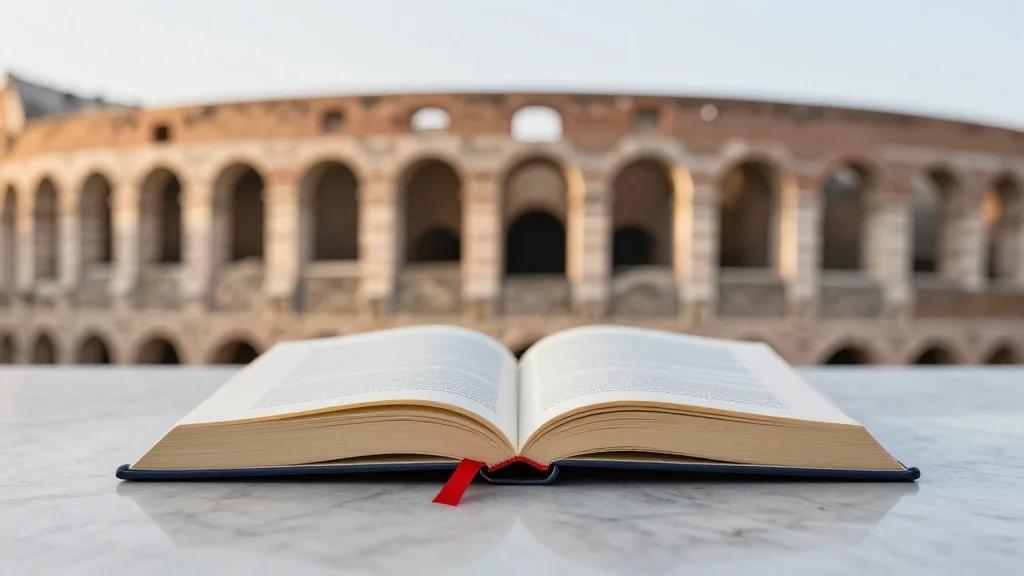
RISE Bookselling Conference in Verona Draws 300 Global Booksellers Amid Political Uncertainty

Why It Matters
The Verona conference illustrates how geopolitical turbulence is reshaping the bookselling landscape. As governments in Eastern Europe adopt restrictive language laws, independent retailers become de‑facto guardians of free speech, influencing purchasing decisions and curatorial choices. Simultaneously, the push toward community‑centric sales models reflects a broader industry shift away from pure transactionality toward experiential retail, a trend that could redefine profit structures and author exposure worldwide. For publishers and distributors, the insights from RISE signal a need to support booksellers with flexible supply chains, rights‑clearance assistance for politically sensitive titles, and marketing resources that amplify local relevance. Failure to adapt could exacerbate market fragmentation, while proactive collaboration may unlock new revenue streams and reinforce the cultural ecosystem.
Key Takeaways
- •300 booksellers from 34 countries attended the RISE conference in Verona (April 19‑20).
- •71 speakers delivered 26 sessions covering sales tactics, community building, and political risk.
- •Georgian writer Iva Pezuashvili warned of ‘foreign agent’ laws that can imprison authors for up to six years.
- •Swedish retailer Hannah Frisell highlighted community strengthening as a defense against far‑right backlash.
- •Next RISE conference scheduled for Galway, Ireland, on April 18‑19, 2027.
Pulse Analysis
The RISE conference serves as a barometer for the bookselling sector’s evolving priorities. Historically, independent bookstores have weathered the rise of online retail by emphasizing niche curation and community events. This year’s agenda, however, adds a geopolitical layer: booksellers are now strategizing around censorship risk as much as inventory turnover. The convergence of sales innovation and advocacy suggests a hybrid business model where cultural stewardship becomes a market differentiator.
From a competitive standpoint, larger chains that can absorb political risk may double‑down on algorithmic recommendation engines, but they lack the localized credibility that independent shops wield. As authors increasingly seek platforms that guarantee editorial freedom, booksellers that can publicly champion free expression while delivering data‑driven inventory decisions will attract both talent and consumers. The upcoming Galway conference will likely test whether digital tools—such as AI‑enhanced demand forecasting—can be married to the grassroots activism that defined Verona’s discussions.
Looking ahead, the industry faces a forked path: either embrace a resilient, community‑first model that mitigates political volatility, or succumb to homogenized, low‑margin online sales that sidestep the very issues that give independent stores their unique value proposition. The choices made by booksellers in the next twelve months will shape the cultural landscape of the book market for years to come.
RISE Bookselling Conference in Verona Draws 300 Global Booksellers Amid Political Uncertainty
Comments
Want to join the conversation?
Loading comments...