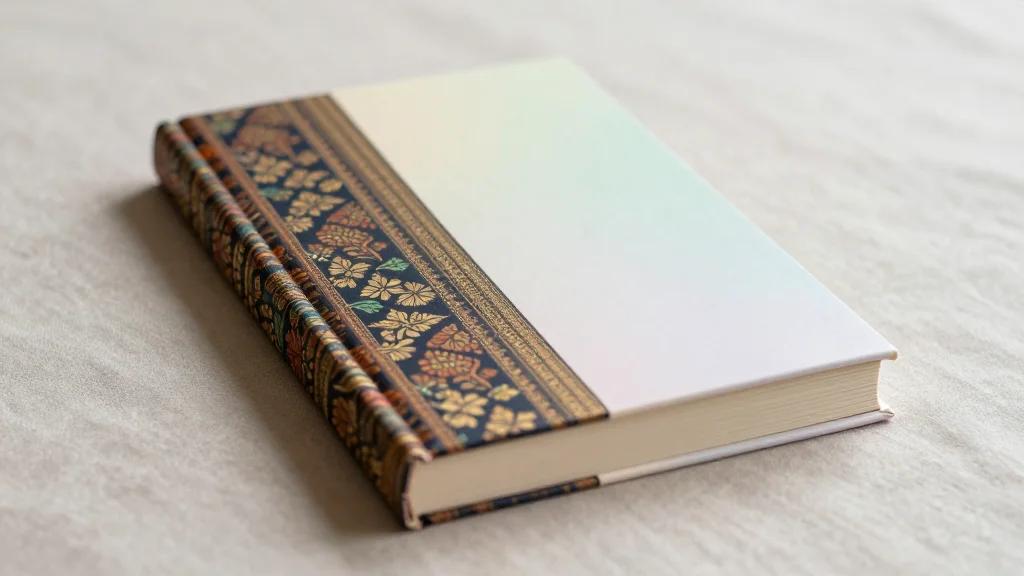
Scroll.in Probes Indian Book Cover Design: Colonial Legacy, Market Forces

Why It Matters
The visual presentation of a book influences purchasing decisions, especially in a market as diverse as India’s. By exposing the colonial and commercial forces that dominate cover design, the investigation prompts publishers, designers and authors to reconsider how visual identity can better reflect India’s multilingual, multicultural reality. A shift toward indigenous design cues could broaden readership, support regional artists, and differentiate Indian titles in a global marketplace. Moreover, the debate touches on broader questions of cultural ownership and economic power in creative industries. If Indian publishers continue to rely on Western templates, they may miss opportunities to build a distinct brand that resonates with local audiences and competes internationally on its own terms.
Key Takeaways
- •Design historian Suchitra Balasubramanyan highlights the absence of a native word for ‘design’ in Indian languages.
- •Dr. Dori Tunstall points out that design is often framed as a European 19th‑century invention.
- •Designer Amit Malhotra describes India’s design language as “unresolved but distinctive.”
- •Penguin Random House India stresses collaborative cover creation to balance author vision and market needs.
- •Bhavi Mehta’s 2024 Oxford Bookstore Book Cover Prize win underscores the tension between illustration and commercial appeal.
Pulse Analysis
The Scroll.in piece arrives at a moment when Indian publishing is expanding rapidly, driven by rising literacy rates and digital disruption. Historically, the industry has leaned on British publishing models, a legacy of colonial rule that still informs aesthetic choices. This inertia is now being challenged by a new generation of designers who grew up with a hybrid visual culture—one that mixes Bollywood glamour, regional art forms and global design software.
From a market perspective, the reliance on Western templates is a double‑edged sword. On one hand, recognizable design conventions can lower the cognitive load for consumers browsing crowded shelves, potentially boosting sales. On the other, they dilute the cultural specificity that could differentiate Indian titles abroad. As Indian authors gain prominence on the world stage, a distinctive visual identity could become a strategic asset, helping books stand out in international catalogs and digital storefronts.
Looking forward, the push for decolonised design may catalyse a broader re‑evaluation of content creation in India. If publishers invest in research on regional aesthetics and integrate native scripts more boldly, they could unlock new market segments, especially in tier‑2 and tier‑3 cities where local identity remains a strong purchase driver. However, such a shift will require alignment across editorial, design and marketing teams—a coordination that, as Pallavi Narayan notes, is already fraught with iteration fatigue. The coming years will likely see a tension between efficiency‑driven, template‑based design and experimental, culturally rooted approaches, with the balance ultimately shaping the visual future of Indian publishing.
Scroll.in probes Indian book cover design: colonial legacy, market forces
Comments
Want to join the conversation?
Loading comments...