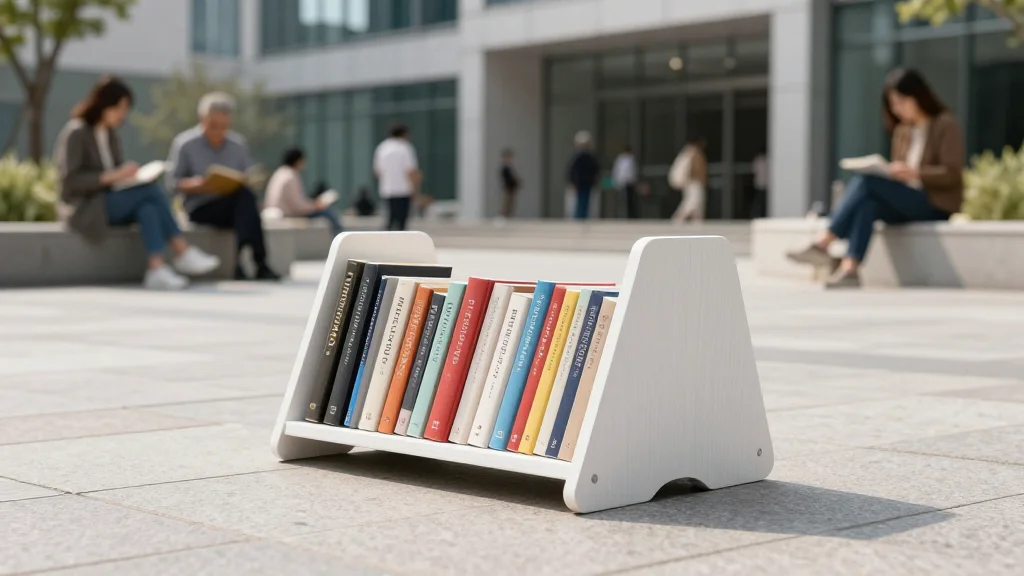
Seoul Outdoor Library Opens Across Plaza, Stream, Gwanghwamun with Free Books

Why It Matters
The Seoul Outdoor Library demonstrates how public‑sector innovation can create low‑cost cultural attractions that enhance a city’s tourism appeal while promoting literacy. By situating free books in high‑visibility, pedestrian‑friendly zones, Seoul offers a replicable template for other municipalities seeking to blend cultural programming with urban planning. Beyond tourism, the project underscores a commitment to equitable access to literature, positioning reading as a communal activity rather than a privilege confined to indoor institutions. This approach may encourage similar initiatives worldwide, fostering inclusive cultural ecosystems that serve both residents and visitors.
Key Takeaways
- •Seoul Metropolitan Government launches outdoor library at three sites in 2026.
- •Thousands of free books are available Friday‑Sunday during warm months.
- •Program partners with cultural institutions from 14 countries for multilingual collections.
- •Locations include Seoul Plaza, Cheonggye Stream, and Gwanghwamun Book Yard, all near major landmarks.
- •Initiative aims to boost urban tourism, literacy and public‑space utilization.
Pulse Analysis
Seoul’s outdoor library is more than a novelty; it reflects a strategic convergence of cultural policy and tourism economics. By embedding free reading material within the city’s most trafficked corridors, the SMG taps into the growing demand for experiential travel—where visitors seek authentic, low‑cost interactions with local life. This aligns with a global trend where cities repurpose public spaces for pop‑up cultural events, from book fairs in parks to open‑air concerts, to differentiate themselves in a competitive tourism market.
Historically, public libraries have been anchored in brick‑and‑mortar buildings, limiting their reach to those who deliberately seek them out. Seoul’s model dismantles that barrier, turning everyday commutes into opportunities for literary discovery. The partnership with 14 foreign cultural bodies also signals a diplomatic soft‑power dimension, allowing Seoul to showcase international literature without the logistical overhead of permanent foreign language sections. If visitor engagement metrics prove strong, other Asian megacities—Tokyo, Bangkok, Jakarta—may adopt similar frameworks, potentially reshaping how urban planners think about cultural infrastructure.
Looking forward, the library’s success will hinge on sustained funding, maintenance of the physical collections against weather and vandalism, and the ability to keep programming fresh. Should SMG demonstrate measurable boosts in foot traffic, dwell time and positive visitor sentiment, the model could become a staple of municipal budgets, encouraging a shift from costly, permanent cultural venues to agile, community‑driven pop‑ups that evolve with the city’s rhythm.
Seoul Outdoor Library Opens Across Plaza, Stream, Gwanghwamun with Free Books
Comments
Want to join the conversation?
Loading comments...