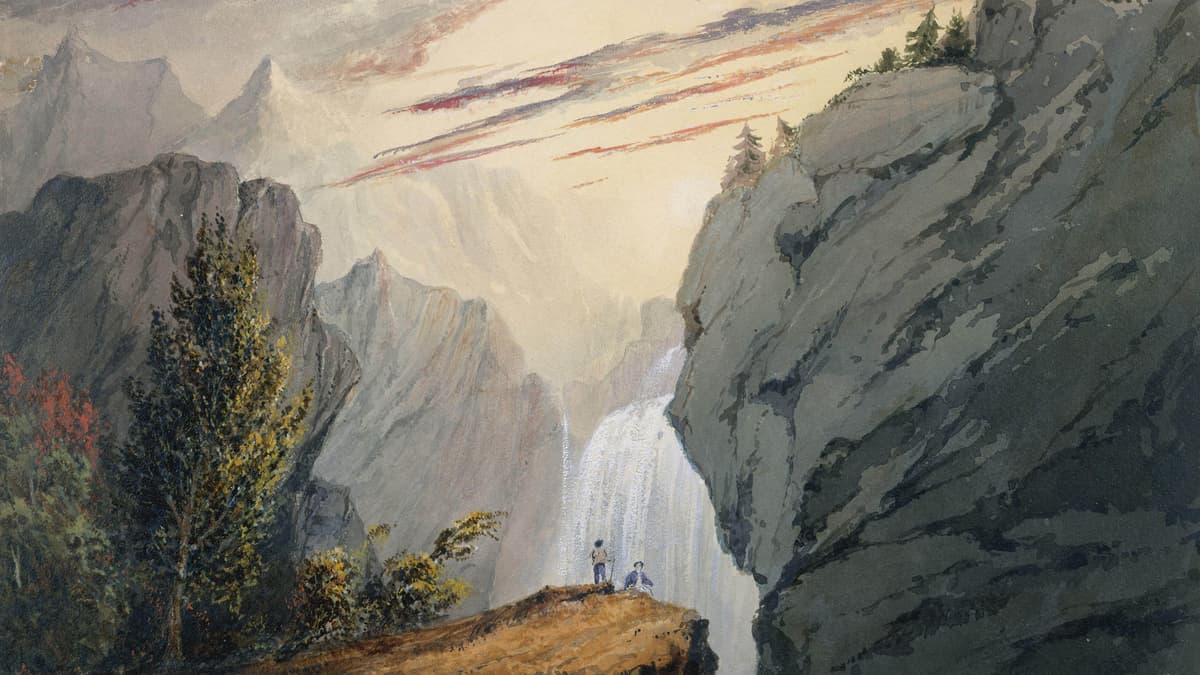
Seven Death-Defying Books for the Adventurous Reader
Companies Mentioned
Why It Matters
Adventure narratives tap a growing market for immersive, experience‑driven reading, reinforcing the commercial viability of survival nonfiction and historical thrillers. Publishers and booksellers can leverage these titles to attract audiences craving both education and adrenaline.
Key Takeaways
- •*Endurance* details Shackleton’s ice‑bound survival after ship loss
- •*A Walk in the Park* chronicles a Grand Canyon trek fraught with heat
- •*Coasting* blends solo sailing memoir with commentary on 1980s Britain
- •*In the Heart of the Sea* recounts the Essex whale attack that inspired Moby‑Dick
- •*The Lost City of Z* uncovers a century‑old Amazonian mystery
Pulse Analysis
Adventure nonfiction has surged in popularity as readers look for stories that combine factual rigor with the pulse‑pounding drama of survival. Titles like Alfred Lansing’s *Endurance* and Nathaniel Philbrick’s *In the Heart of the Sea* deliver meticulously researched accounts that read like thrillers, satisfying a demand for authentic, high‑stakes narratives. By spotlighting expeditions across polar ice, desert canyons, and open oceans, the curated list showcases how modern authors translate historic peril into compelling, page‑turning prose that resonates with today’s experience‑seeking audience.
Beyond pure entertainment, these books illustrate a broader cultural fascination with resilience and the human capacity to confront nature’s extremes. Works such as Caroline Van Hemert’s *The Sun Is a Compass* merge personal transformation with environmental observation, while Alyssa Cole’s *A Hope Divided* weaves historical romance into the tapestry of Civil‑War espionage. This blend of genre‑crossing elements expands the market, inviting readers who might otherwise avoid dense history to engage through narrative tension and relatable protagonists. Publishers capitalize on this by positioning titles as both educational and escapist, a dual appeal that drives sales across brick‑and‑mortar and digital platforms.
Looking ahead, the adventure genre is poised to benefit from multimedia extensions—audio‑books, podcasts, and interactive e‑editions that deepen immersion. As streaming services explore documentary‑style adaptations, titles like David Grann’s *The Lost City of Z* could find new audiences, reinforcing the commercial loop between print and screen. For educators, these works provide vivid case studies in leadership, risk management, and environmental change, making them valuable resources in curricula that aim to teach critical thinking through real‑world examples. The continued appetite for daring, true‑to‑life storytelling suggests that adventure literature will remain a robust pillar of the publishing ecosystem.
Seven Death-Defying Books for the Adventurous Reader
Comments
Want to join the conversation?
Loading comments...