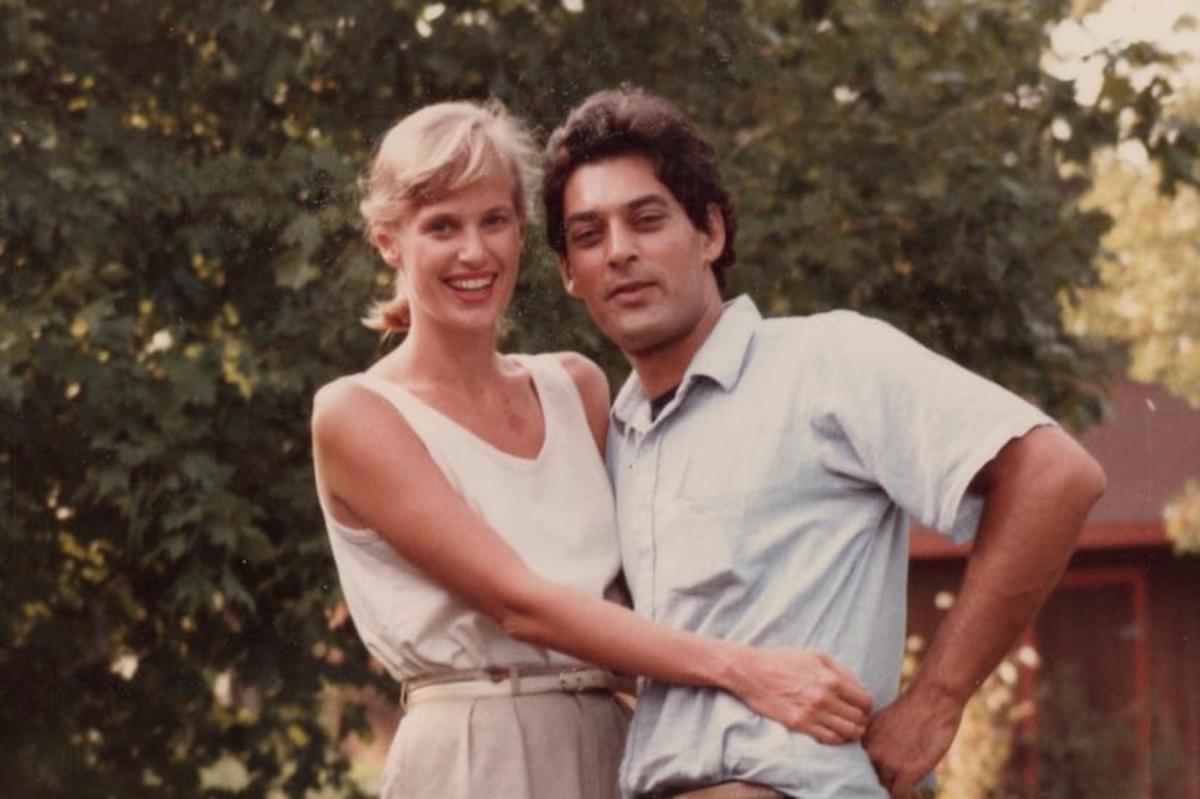
Siri Hustvedt’s Heartbreaking Memoir Is a Study of Love and Loss
Why It Matters
By merging intimate memoir with interdisciplinary grief research, Hustvedt sets a benchmark for how literary figures can shape public conversations about loss. The book’s high‑profile release also signals strong market demand for thoughtful, scholarly memoirs on bereavement.
Key Takeaways
- •"Ghost Stories" covers Hustvedt’s first year without Paul Auster.
- •Book interweaves personal diary entries, letters, and scholarly grief research.
- •Includes Auster’s letters to grandson Miles, creating posthumous dialogue.
- •Explores intercorporeality, showing how shared lives persist beyond death.
- •Published by Sceptre, adds to growing market for memoirs on mourning.
Pulse Analysis
Siri Hustvedt, a Pulitzer‑winning novelist and essayist, has long blended narrative craft with academic rigor. "Ghost Stories" arrives at a moment when memoirs about personal loss dominate bestseller lists, yet few offer the depth of interdisciplinary analysis that Hustvedt provides. By situating her grief within the frameworks of psychology, neurology, and even ethology, she transforms a private mourning process into a case study for readers and scholars alike. This approach not only enriches the literary quality of the work but also positions it as a reference point for future studies on bereavement literature.
The memoir’s structure—alternating between present‑day reflections, archival journal entries, and Paul Auster’s letters to their infant grandson—creates a dialogic narrative that mirrors the way memory operates. Hustvedt’s discussion of intercorporeality, the notion that bodies remain linked after death, resonates with contemporary neuroscience findings about attachment and the brain’s response to loss. By citing sources ranging from Konrad Lorenz’s animal behavior studies to psychoanalytic theory, she validates emotional experience with empirical insight, offering readers a roadmap for navigating their own grief through both feeling and understanding.
From a publishing perspective, Sceptre’s decision to launch "Ghost Stories" underscores the commercial viability of intellectually robust memoirs. The book taps into a readership that seeks authenticity paired with scholarly depth, a niche that has proven lucrative for titles like "The Year of Magical Thinking" and "A Grief Observed." Moreover, the inclusion of Auster’s posthumous letters adds a rare, intimate artifact that enhances the memoir’s appeal to literary enthusiasts. As the conversation around mental health and mourning continues to expand, Hustvedt’s work is poised to influence both cultural discourse and future memoir conventions.
Siri Hustvedt’s Heartbreaking Memoir Is a Study of Love and Loss
Comments
Want to join the conversation?
Loading comments...