'Speakeasies to Symphonies' And 'Cosmic Music' Chronicle 2 Jazz Greats
Why It Matters
Reevaluating Johnson and Coltrane reshapes the jazz canon, informing contemporary musicians and industry curators about the roots of modern improvisation and spiritual jazz trends.
Key Takeaways
- •James P. Johnson pioneered stride piano, influencing Waller and Ellington
- •Johnson avoided recording, limiting his historical footprint
- •Modern pianist Marcus Roberts revived Johnson’s “Yamekraw”
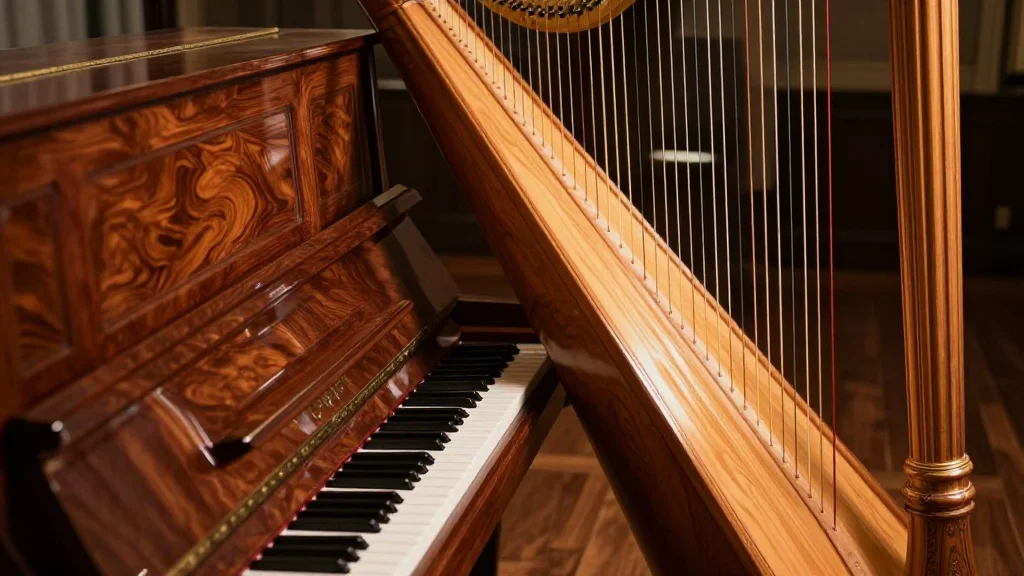
- •Alice Coltrane fused harp, organ, and spiritual chants in the 1970s
- •Her mystic phase sparked today’s spiritual‑jazz revival
Pulse Analysis
James P. Johnson’s legacy extends far beyond the Harlem rent‑party scene that birthed stride piano. By transforming ragtime syncopation into a propulsive, virtuosic style, Johnson laid the groundwork for swing and bebop, mentoring figures such as Fats Waller and Thelonious Monk. His reluctance to record in the 1920s—when studio fees were low and royalties minimal—left a scant discography, allowing his contributions to fade from mainstream narratives. The recent biography *Speakeasies To Symphonies* and contemporary performances, like Marcus Roberts’ modern arrangement of “Yamekraw,” are prompting archivists and jazz educators to re‑examine his orchestral blues rhapsodies and re‑integrate his work into curricula and concert programs.
Alice Coltrane’s artistic journey illustrates how personal spirituality can redefine a genre. After years as John Coltrane’s pianist, she embraced the harp and electric organ, producing landmark albums such as *Universal Consciousness* that fused modal jazz with Eastern mysticism. The 1970s recordings, once dismissed as esoteric, now serve as a template for the burgeoning spiritual‑jazz revival, influencing artists who blend ambient textures with improvisational depth. *Cosmic Music* contextualizes her transition from a jazz sideman’s spouse to Swamini Turiyasangitananda, a Hindu mystic whose devotional chants expanded the sonic palette of contemporary world‑fusion ensembles.
The simultaneous resurgence of Johnson and Alice Coltrane underscores a broader industry trend: the reclamation of overlooked innovators whose stories were sidelined by commercial constraints or cultural bias. As streaming platforms and boutique reissue labels dig deeper into archives, biographies like these become essential roadmaps for curators, educators, and listeners seeking authentic narratives. This renewed focus not only enriches the historical record but also fuels new creative directions, proving that the past remains a vital wellspring for modern jazz’s evolution.
'Speakeasies to Symphonies' and 'Cosmic Music' chronicle 2 jazz greats
Comments
Want to join the conversation?
Loading comments...