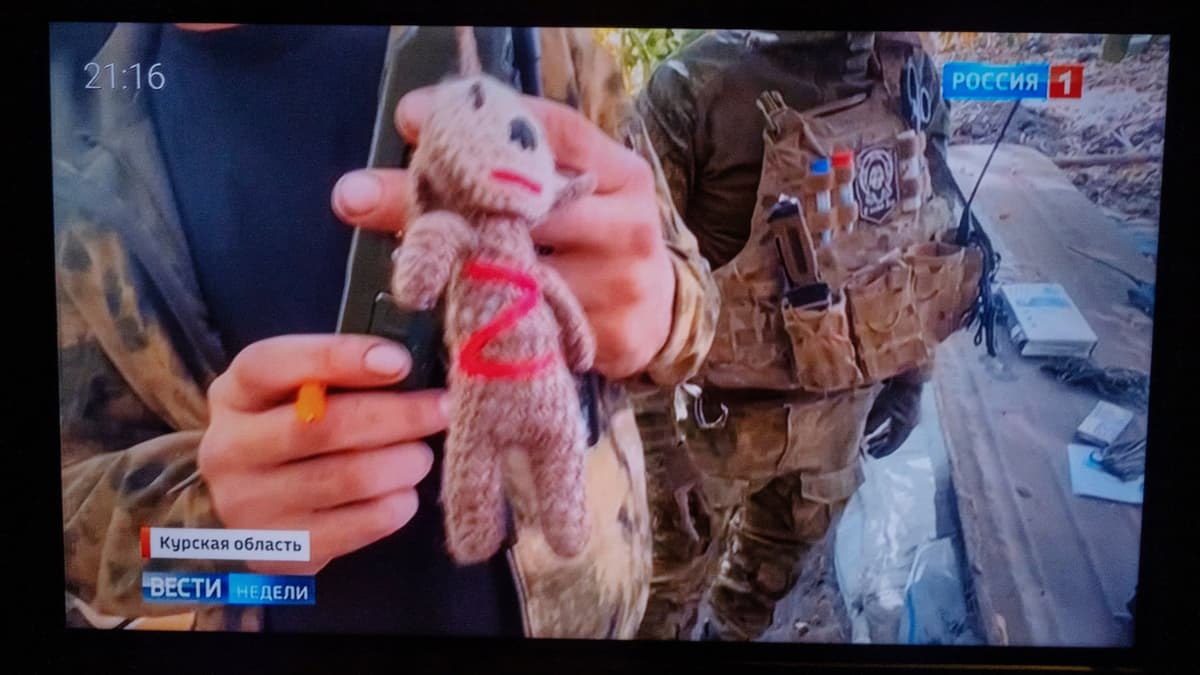
Stalin, Putin and the History of Poisoned Russian Minds
Why It Matters
Understanding the historical roots of Russia’s poison strategy reveals why Western governments treat Kremlin covert actions as existential security threats, and it explains growing public distrust within Russia itself.
Key Takeaways
- •Soviet era used toxins to silence dissent
- •Putin cites Stalin's tactics in modern propaganda
- •Chemical weapon legacy fuels distrust in Russian institutions
- •Historical poison scandals shape current public health narratives
- •Western analysts track Kremlin's covert influence operations
Pulse Analysis
The Soviet Union pioneered a clandestine playbook that blended chemical weapons with political repression. From the notorious 1950s assassination of dissident Georgi Markov to secret labs that produced nerve agents, Stalin’s regime institutionalised poison as a tool of state power. Historians now argue that this legacy survived the USSR’s collapse, providing a template for contemporary Russian security services that value plausible deniability and psychological impact over overt force.
Under Vladimir Putin, the Kremlin has revived and modernised these methods, integrating them into a broader strategy of information warfare. High‑profile cases such as the Skripal poisoning in Salisbury and the attempted assassination of Alexei Navalny illustrate how toxic attacks serve dual purposes: eliminating rivals while sending a chilling message to both domestic audiences and foreign governments. By invoking Stalinist rhetoric, Putin frames these actions as necessary defenses against perceived external threats, thereby normalising the use of covert violence within Russian political culture.
The historical continuity of poison tactics reshapes geopolitical risk assessments. Intelligence agencies now monitor not only overt military movements but also the supply chains of precursors and the networks of scientists linked to former Soviet programs. For businesses operating in or with Russia, the spectre of targeted poisoning adds a layer of operational risk, prompting stricter security protocols and heightened due‑diligence. Meanwhile, Russian citizens, aware of past abuses, grow increasingly skeptical of official health advisories, complicating public‑policy initiatives. Recognising this deep‑rooted pattern helps policymakers craft more nuanced sanctions and diplomatic responses that address both the physical and psychological dimensions of Russian statecraft.
Stalin, Putin and the history of poisoned Russian minds
Comments
Want to join the conversation?
Loading comments...