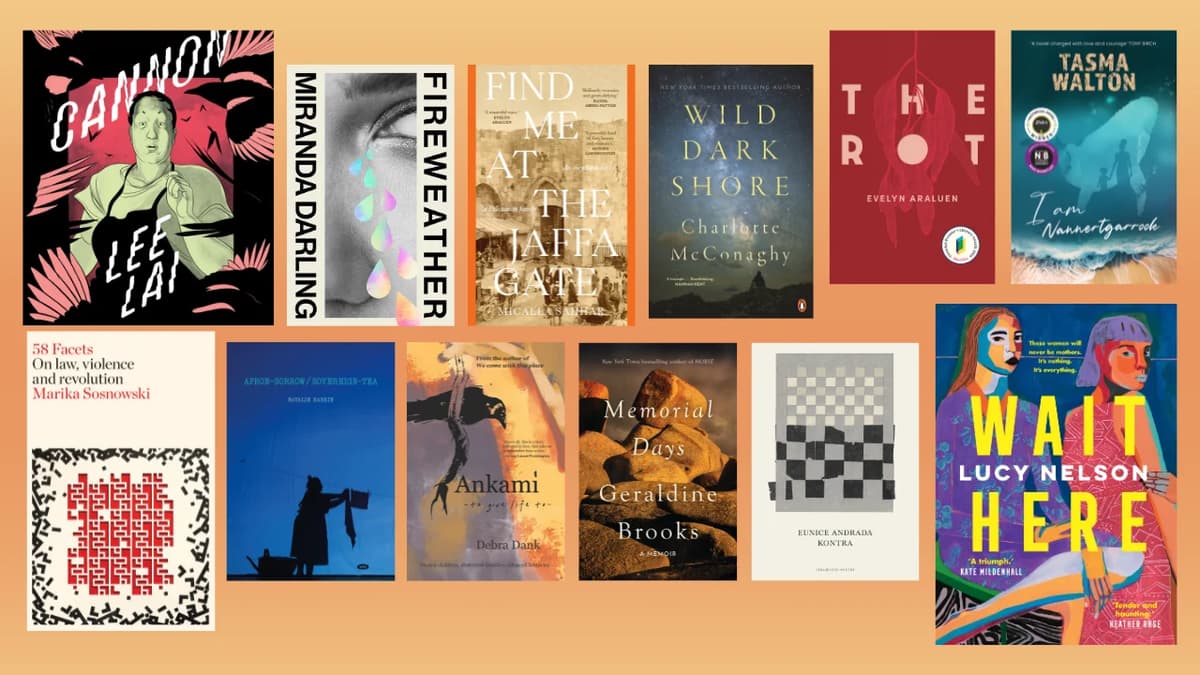
Stella Prize 2026 Longlist Celebrates the Power of Memory, Truth and Creative Fiction
•March 11, 2026
0
Why It Matters
The Stella Prize amplifies under‑represented voices, influencing publishing trends and boosting the commercial visibility of gender‑diverse Australian literature. Its recognition can drive sales and cultural conversation around the highlighted social issues.
Key Takeaways
- •212 submissions, 12 works longlisted.
- •Prize includes $2,000 for each longlisted author.
- •Genres span poetry, fiction, memoir, graphic novel.
- •Themes explore memory, truth, climate, colonial trauma.
- •Winners receive $60,000 and heightened national profile.
Pulse Analysis
The Stella Prize, founded in 2013, has become Australia’s premier literary award dedicated to celebrating women and non‑binary authors. By offering a $60,000 cash prize and a platform that reaches national media, the award not only rewards artistic excellence but also addresses the historic gender gap in publishing. Over the past decade the prize has helped launch careers, increased catalogue diversity, and encouraged publishers to acquire more works by under‑represented writers. The 2026 cycle continues this trajectory, reinforcing the prize’s role as a catalyst for cultural equity.
This year’s longlist comprises twelve titles that span poetry, fiction, memoir, non‑fiction and graphic narrative, reflecting an intentional breadth of form. From Eunice Andrada’s award‑winning poetry collection KONTRA to Charlotte McConaghy’s climate‑driven thriller Wild Dark Shore, the selections interrogate memory, truth and societal trauma. Evelyn Araluen’s The Rot confronts colonial violence, while Tasma Walton’s I Am Nannertgarrook revives First Nations history through a historical novel. The inclusion of a graphic novel, Cannon, underscores the prize’s openness to emerging storytelling mediums.
The visibility afforded by the Stella longlist can translate into measurable market impact. Publishers often see a sales boost of 20‑30 % for shortlisted titles, and the $2,000 stipend for each longlisted author provides crucial financial support for further projects. Moreover, the prize’s focus on themes such as climate change, Indigenous rights and gendered oppression resonates with current consumer interests, encouraging booksellers to promote these works prominently. As the shortlist narrows in the coming weeks, the eventual winner is likely to shape the next wave of Australian literary discourse and influence acquisition strategies across the industry.
Stella Prize 2026 longlist celebrates the power of memory, truth and creative fiction
0
Comments
Want to join the conversation?
Loading comments...