Why It Matters
Understanding physical book construction equips future publishers, editors and designers to make better production decisions and preserve print heritage in a digital age.
Key Takeaways
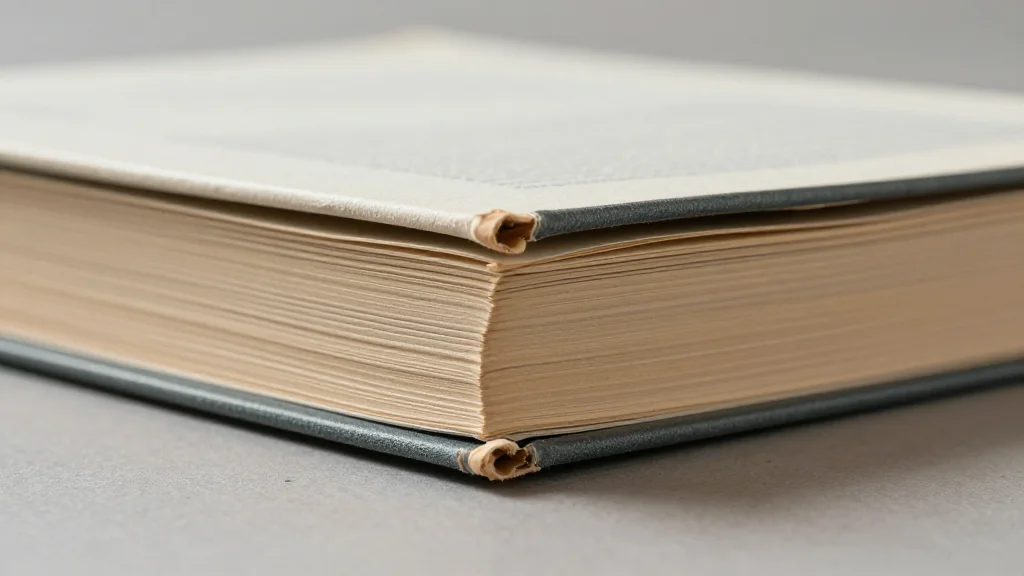
- •Students dissected a hardback to identify cover boards and hinges
- •Class examined endpapers, flyleaf, and title‑page copyright details
- •Signature folding and gutter concepts were demonstrated live
- •Binding types—sewn, perfect, burst—were compared for durability
- •Hands‑on dissection reinforces textbook learning and industry skills
Pulse Analysis
Physical books remain a cornerstone of publishing, yet many professionals have only a theoretical grasp of their construction. By bringing a real hardback into the classroom, the instructor bridges that gap, allowing students to see how cover boards, hinges, endpapers and flyleaf pieces are assembled. This tactile exposure demystifies the production process, from the sewn signatures that give a book its durability to the cheaper perfect‑binding methods that often fail under heavy use. Such direct experience is especially valuable as publishers balance print runs with digital offerings, ensuring they understand the cost and quality implications of each binding choice.
The dissection exercise also serves as a practical lesson in book preservation and repair. Identifying components like the headband, gutter and pastedown equips future editors and conservators with the vocabulary needed to assess wear, plan restorations, or advise authors on format decisions. Students learn to recognize the signs of adhesive failure, the structural role of signatures, and the impact of paper quality on longevity. This knowledge translates into better decision‑making when selecting materials for new titles, potentially reducing waste and returns caused by poorly bound books.
Beyond the classroom, the approach underscores a broader industry trend: a renewed appreciation for the craft of print. As e‑books dominate shelves, publishers are re‑examining the tactile experience that differentiates a well‑made physical book. Hands‑on training cultivates a generation of professionals who can innovate in binding technologies, improve sustainability through smarter material choices, and advocate for the cultural value of printed works. By encouraging students to replicate the exercise at home, the professor fosters lifelong curiosity and ensures the skills needed to sustain the print ecosystem remain alive.
Tearing apart a book
Comments
Want to join the conversation?
Loading comments...