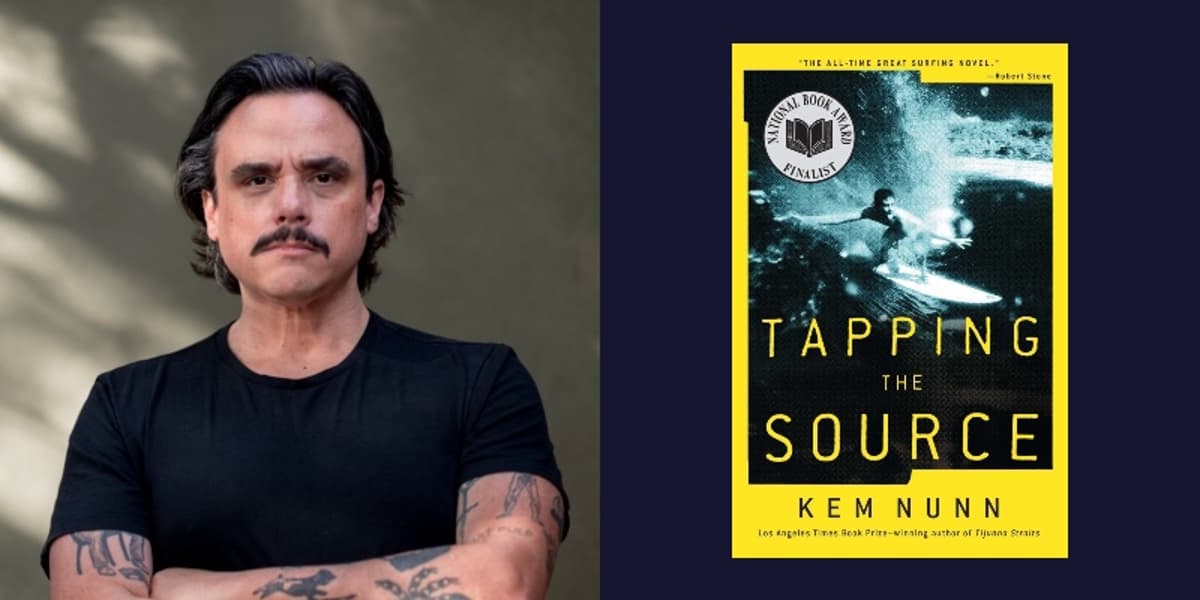
The Backlist: Reading Kem Nunn’s Seminal ‘Surf Noir’ with Jordan Harper
Companies Mentioned
Why It Matters
The novel set the template for surf noir, shaping how contemporary writers portray California’s dual beauty and brutality, and it highlights the challenges of adapting character‑driven literary noir to screen.
Key Takeaways
- •Tapping the Source pioneered surf noir genre in 1982
- •Novel blends gritty crime with lyrical surfing descriptions
- •Protagonist Ike evolves from weak outsider to central catalyst
- •Influenced modern writers like Jordan Harper and his own novels
- •Film adaptation stalled due to narrative focus on peripheral characters
Pulse Analysis
Surf noir emerged in the early 1980s as a niche offshoot of California noir, marrying the sun‑splashed imagery of surfing with the shadowy mechanics of crime fiction. Kem Nunn’s *Tapping the Source* stands at the forefront of this movement, offering readers a vivid portrait of Huntington Beach’s underbelly while maintaining a poetic reverence for the ocean. By grounding the narrative in authentic surf culture, Nunn created a template that later works—both literary and cinematic—have struggled to replicate without sacrificing either atmosphere or narrative tension.
Beyond its coastal setting, the novel juxtaposes the high desert’s stark emptiness with the crowded, neon‑lit surf scene, underscoring California’s fragmented identities. Characters such as Preston, a haunted Vietnam veteran, and Hound, an ex‑surfer turned philosopher, embody the lingering trauma of the 1970s and the erosion of the West Coast’s mythic innocence. This geographic and psychological contrast deepens the story’s commentary on a society transitioning from post‑war optimism to a more cynical, fragmented reality, making the book a cultural time capsule for late‑twentieth‑century America.
The influence of *Tapping the Source* reverberates through contemporary authors like Jordan Harper, whose own novels echo Nunn’s blend of lyrical description and hard‑boiled plot. While the book’s narrative structure—centered on a peripheral narrator—has hampered Hollywood interest, it continues to inspire readers seeking a nuanced, atmospheric take on noir. As streaming platforms hunt for genre‑bending content, the novel’s legacy suggests a ripe opportunity for re‑imagining surf noir for modern audiences, provided adaptations respect its character‑driven core.
The Backlist: Reading Kem Nunn’s Seminal ‘Surf Noir’ with Jordan Harper
Comments
Want to join the conversation?
Loading comments...