Key Takeaways
- •Multi‑POV audition videos blend reality TV with teen mystery
- •Escape‑room puzzles are fair, letting readers solve alongside characters
- •Beck’s synesthesia becomes a functional clue, not just a quirk
- •Open-ended finale sets up franchise potential despite some rushed revelations
Pulse Analysis
*The Escape Game* taps into the growing appetite for puzzle‑driven narratives among Gen Z readers. By framing each chapter as an audition video, Meyer and Moss mirror the TikTok‑style content consumption habits that dominate teen media, turning the act of reading into a quasi‑interactive experience. This structural choice not only deepens character development—showcasing the gap between curated online personas and authentic selves—but also leverages the reality‑TV craze, making the book feel both contemporary and binge‑worthy. The result is a story that resonates with a generation accustomed to decoding clues across multiple platforms.
The novel also rides the wave of escape‑room popularity, a trend that has migrated from physical venues to books, games, and streaming series. Its puzzles are meticulously crafted; each solution follows logical steps that reward attentive readers, a design principle that aligns with the success of titles like *The Inheritance Games* and *One of Us Is Lying*. Beck’s synesthesia is more than a character quirk—it functions as a narrative mechanic that transforms sensory detail into actionable information, exemplifying how authors can embed unique abilities into plot mechanics without feeling gimmicky. This balance of inventive world‑building and solid mystery architecture positions the book as a strong contender in the competitive YA market.
From a commercial standpoint, *The Escape Game* offers multiple avenues for expansion. The open‑ended conclusion invites sequels, spin‑offs, or even a streaming adaptation that could capitalize on the show‑within‑a‑show premise. Both Meyer’s established fan base from *The Lunar Chronicles* and Moss’s fresh voice provide cross‑demographic appeal, while the social‑media framing aligns with marketing strategies that prioritize viral content and fan‑driven speculation. As publishers seek properties that can extend beyond print, this title exemplifies a blueprint for future YA releases that blend narrative intrigue with multimedia potential.
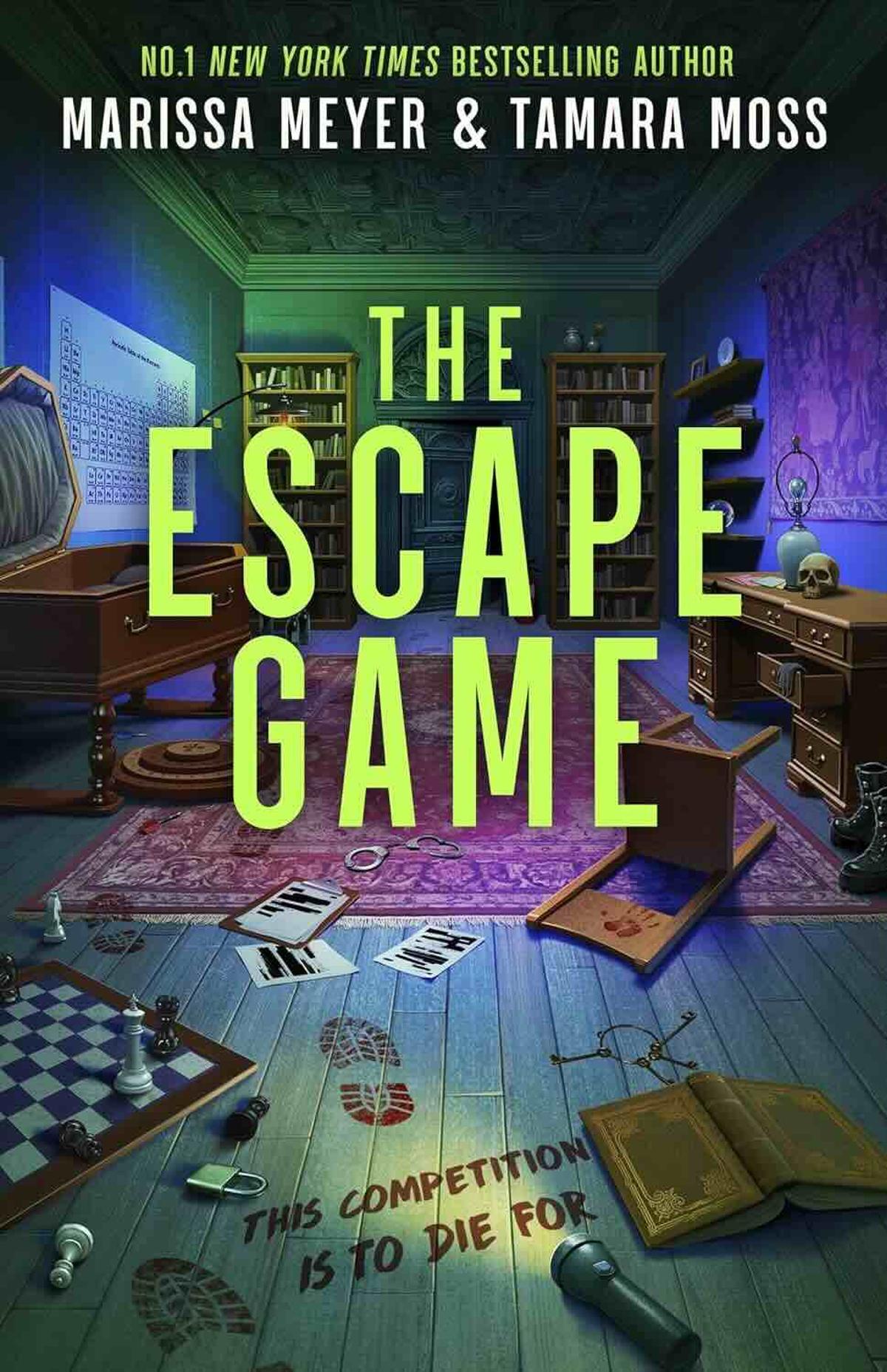
The Escape Game by Marissa Meyer and Tamara Moss
Comments
Want to join the conversation?