Why It Matters
The breakthrough in reading Maya glyphs reshapes scholarly understanding of pre‑colonial Mesoamerica and informs heritage preservation, tourism, and identity for millions of contemporary Maya descendants.
Key Takeaways
- •Stuart’s hieroglyph work fuels Maya historical reconstruction
- •Book maps Maya rise, collapse, and city cycles
- •Highlights political dynasties, neglects economic and social life
- •Maya descendants number 11 million across Central America
- •Decipherment likened to Rosetta Stone breakthrough
Pulse Analysis
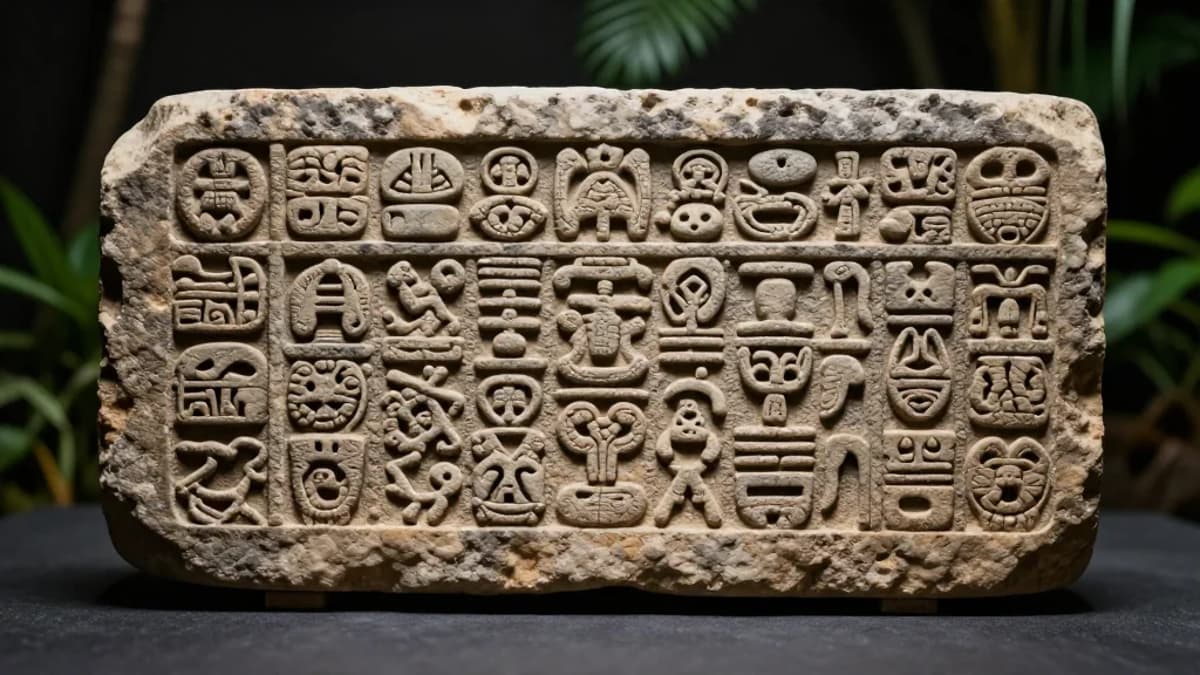
The Four Heavens arrives at a moment scholars describe as the “last of the Great Decipherments,” a milestone comparable to the unlocking of the Rosetta Stone. David Stuart, a MacArthur‑gifted epigrapher, has spent decades translating thousands of Maya glyphs, turning once‑obscure stone panels into a chronological narrative that stretches from 1000 BCE to the Spanish conquest. This surge of primary‑source material reshapes our understanding of the Maya not merely as mythic builders but as a civilization with documented political events, alliances, and wars. The ability to read these texts opens new avenues for interdisciplinary research across archaeology, linguistics, and climate science.
Stuart’s volume offers a sweeping tour of Maya power centers—Calakmul, Tikal, Chichén Itzá—and traces the ebb and flow of dynastic rule, war, and environmental stress. By anchoring each episode to decoded inscriptions, the book constructs a detailed timeline that rivals any classic ancient history. Critics, however, note a glaring imbalance: the narrative dwells on elite tombs and royal intrigue while giving scant attention to the everyday economy, market networks, or social institutions that sustained the cities. This omission limits readers’ grasp of how trade, tribute, and labor shaped Maya resilience and collapse.
Beyond academia, the decipherment carries cultural and commercial weight. Approximately 11 million people today identify as Maya, and the renewed visibility of their ancestors fuels heritage tourism at sites like Chichén Itzá and Tikal, driving local economies. Moreover, the decoded glyphs provide a template for comparative studies of other ancient societies that experienced similar cycles of urban growth and abandonment. As researchers integrate climate data and settlement archaeology, the next phase of Maya scholarship promises to fill the gaps left by Stuart’s elite‑focused lens, delivering a more holistic portrait of a civilization that continues to influence modern identity.
The Great Decipherment
0
Comments
Want to join the conversation?
Loading comments...