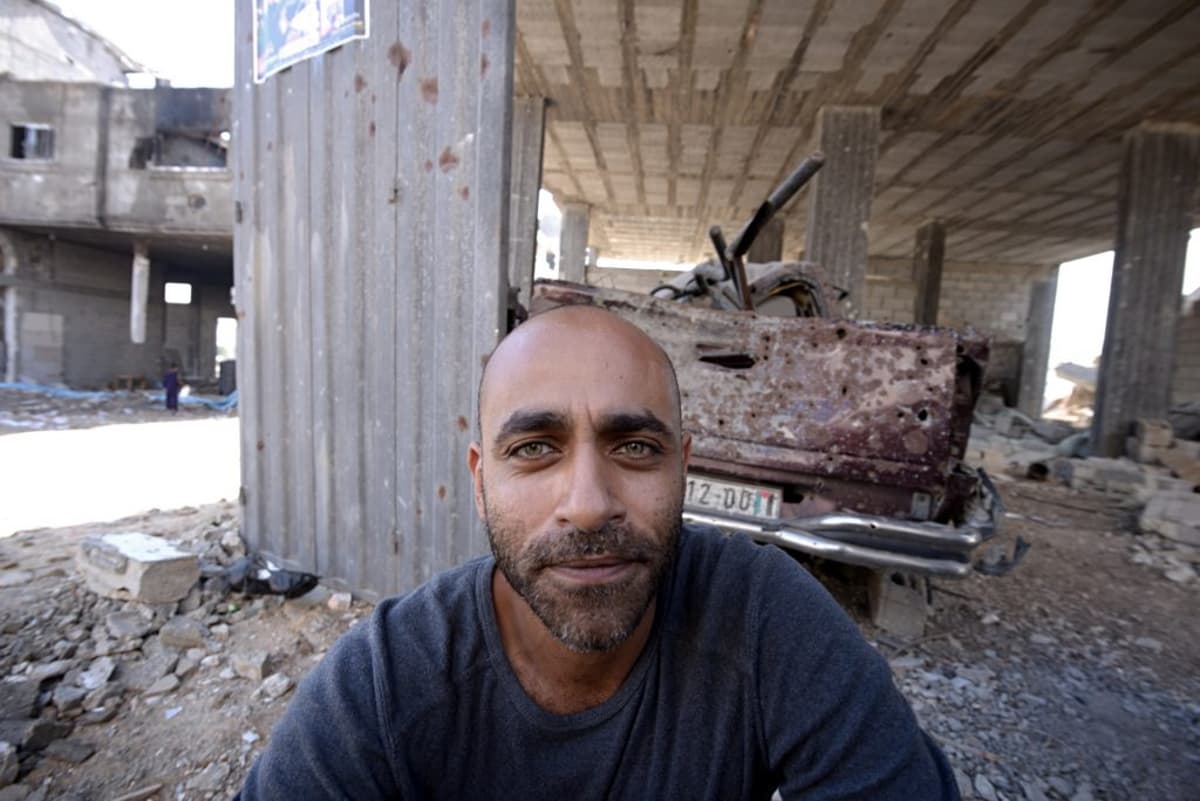
The Hair of the Pigeon Review: Mohammed Massoud Morsi’s Masterwork
Why It Matters
The novel amplifies the lived experience of Syrian‑Palestinian refugees, enriching global literary discourse on displacement. Its stark portrayal of war‑time trauma informs readers and policymakers about the human cost of ongoing conflict.
Key Takeaways
- •Ghassan’s journey from Yarmouk camp to Copenhagen anchors narrative
- •Love versus vengeance motif symbolized by pocketed gun and letter
- •Characters like Sama and Ismaeil illustrate resilience amid war
- •Morsi blends journalistic detail with lyrical prose for stark realism
Pulse Analysis
The Hair of the Pigeon arrives at a moment when Middle‑Eastern refugee narratives are gaining critical attention in Western publishing. Morsi, a Syrian‑born writer, draws on first‑hand observations of Yarmouk’s cramped alleys and the broader Syrian diaspora, positioning his work alongside seminal titles like Khaled Hosseini’s The Kite Runner. By situating a Palestinian refugee’s perspective within the Syrian conflict, the novel expands the literary map of displacement, offering readers nuanced insight into intersecting identities and the geopolitical forces that shape them.
At its core, the novel explores the tension between love and vengeance, a motif crystallized in the image of a love letter tucked beside a loaded gun. This duality drives Ghassan’s moral calculus and reflects the broader psychological scars inflicted by protracted violence. Morsi’s character construction—Sama’s fierce independence, Ismaeil’s quiet heroism, and Bawadi’s shocking betrayal—provides a mosaic of resilience that resists sentimentalization. His prose, marked by precise, journalistic detail, immerses readers in sensory realities while maintaining a lyrical cadence that elevates the narrative beyond reportage.
From a market perspective, The Hair of the Pigeon taps into a growing appetite for authentic, conflict‑driven storytelling that bridges literary merit and social relevance. UWA Publishing’s decision to champion the work underscores a shift toward amplifying voices from the Global South, a trend that can influence acquisition strategies across major houses. For business leaders, educators, and policy analysts, the novel serves as both a cultural artifact and a call to recognize the ongoing humanitarian crises that continue to shape migration patterns and global stability.
The Hair of the Pigeon review: Mohammed Massoud Morsi’s masterwork
Comments
Want to join the conversation?
Loading comments...