Why It Matters
The release illustrates how publishing decisions are becoming battlegrounds for cultural ideology, influencing how future generations encounter classic stories. It also signals a broader trend of retro‑branding used to mobilize conservative audiences around perceived traditional values.
Key Takeaways
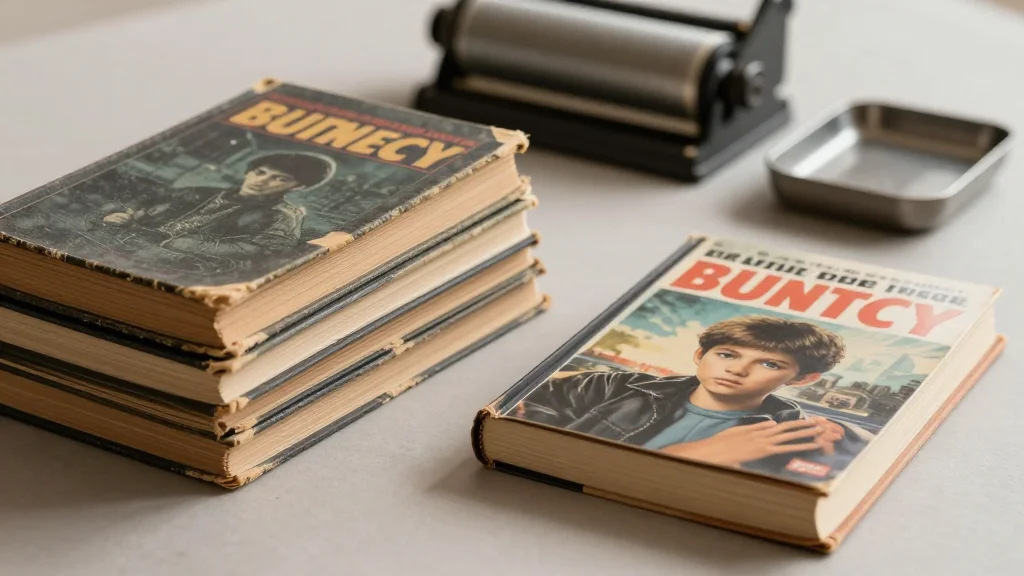
- •Conservative publisher reissued original Hardy Boys box sets unchanged
- •Restored editions retain outdated racial stereotypes and gender norms
- •Release framed as “perfect introduction” for young readers
- •Critics argue it fuels far‑right nostalgia for white‑male heroes
- •Highlights ongoing cultural war over children’s literature content
Pulse Analysis
The Hardy Boys, a staple of mid‑20th‑century American children's fiction, have resurfaced amid a heated cultural debate. By issuing "restored" editions that preserve the original text—including its overt racial caricatures and gendered language—a conservative publisher positioned the books as a counter‑point to what it calls the "woke mind virus." This strategy taps into a broader market of readers seeking unaltered classics, leveraging nostalgia to sell a product framed as educationally pure while sidestepping modern editorial standards.
Critics argue that the move does more than sell books; it weaponizes nostalgia to reinforce a narrative of white, male heroism. The Hardy brothers, depicted as strong, resourceful youths protecting an unchanging Bayport, align neatly with far‑right ideals of cultural homogeneity and resistance to diversity. By presenting the unedited versions as the "perfect introduction" for children, the publisher implicitly endorses outdated social norms, sparking concerns among educators and librarians about the impact on young readers' worldview and the reinforcement of exclusionary stereotypes.
The episode reflects a larger trend in the publishing industry where political identity increasingly informs editorial choices. As cultural wars spill into the marketplace, publishers must navigate the tension between preserving literary heritage and adapting content to contemporary values. For stakeholders—from parents to school boards—the Hardy Boys controversy serves as a case study in how retro‑branding can both revive legacy titles and reignite debates over representation, censorship, and the role of literature in shaping societal norms.
The Hardy Men
Comments
Want to join the conversation?
Loading comments...