Why It Matters
The work reframes art criticism by treating painting as a psychological and metaphysical process, offering scholars and collectors fresh lenses on artistic intent and market valuation.
Key Takeaways
- •Meis links Baroque, modernist, abstract art through “shadow world”.
- •Argues painting creates a separate existential realm for artists.
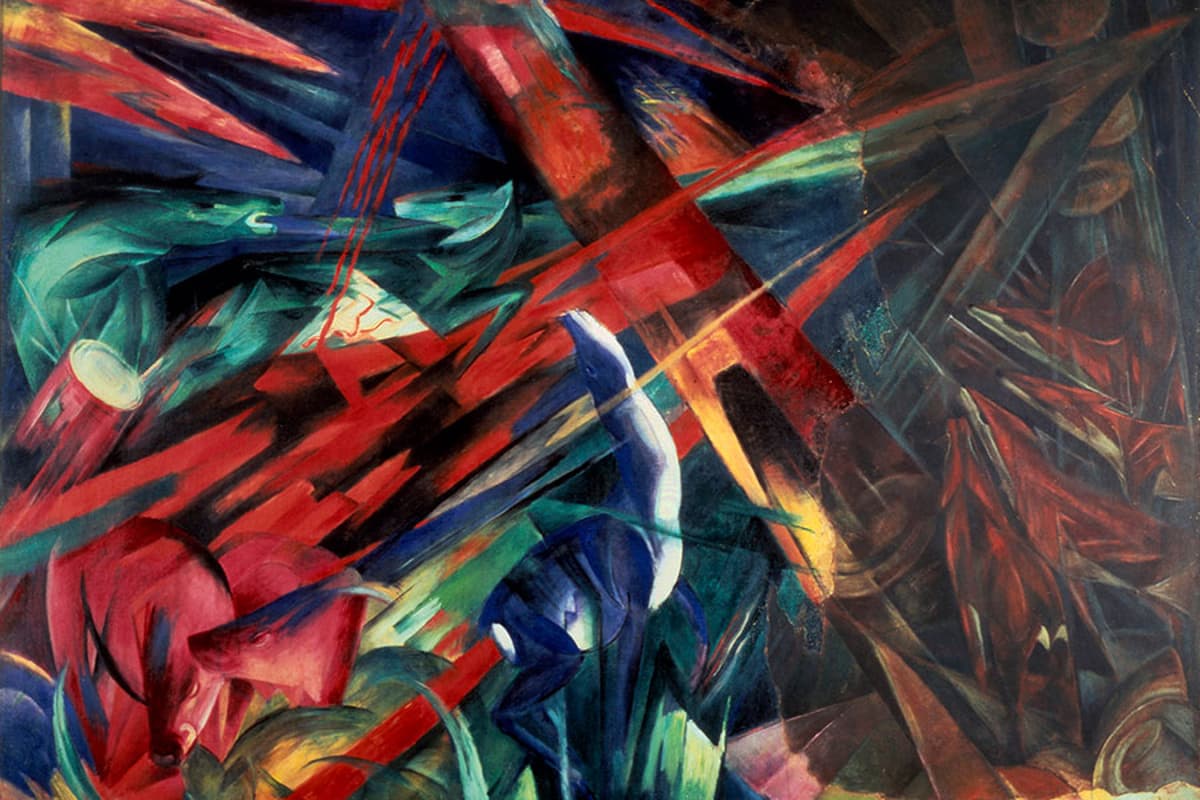
- •Trilogy spans Rubens, Marc, Mitchell, illustrating timeless creative shifts.
- •Uses philosophy, literature to dissect artistic process.
- •Highlights need for personal transformation before painting.
Pulse Analysis
Morgan Meis arrives at a rare intersection of academic rigor and accessible storytelling with his *Three Paintings Trilogy*. Leveraging a Ph.D. background in Walter Benjamin and a career spanning *The New Yorker* to online cultural forums, Meis crafts three dense volumes that each dissect a pivotal artist—Rubens, Marc, Mitchell—through a lens that treats each canvas as a portal to a "shadow world." This approach situates his work alongside classic art theory texts while remaining grounded in contemporary cultural references, appealing to both scholars and informed collectors.
At the heart of Meis’s argument is the notion that painting is an autonomous existence, a second reality where artists negotiate memory, trauma, and aspiration. By invoking Jungian archetypes, Virgilian myth, and modernist existentialism, he demonstrates how the act of rendering pigment becomes a ritual of self‑transformation. This conceptual framework resonates with current interdisciplinary trends that blend neuroscience, psychology, and aesthetics, suggesting that the creative process can be mapped onto broader human experiences of identity and resilience.
For the professional art market, Meis’s thesis offers practical implications. Understanding a work as a manifestation of an artist’s shadow world can enrich provenance narratives, inform valuation models, and guide curatorial storytelling. Academic programs may adopt his methodology to teach students how to contextualize artworks beyond formal analysis, fostering a generation of critics who appreciate the metaphysical dimensions of visual art. As museums and galleries seek deeper engagement, Meis’s trilogy provides a compelling roadmap for interpreting and presenting art in ways that speak to both intellect and emotion.
The Painter’s Shadow World
Comments
Want to join the conversation?
Loading comments...