Why It Matters
These observations demonstrate literature’s capacity to shape public discourse and reveal shifting cultural values, highlighting the continued relevance of the humanities for contemporary society.
Key Takeaways
- •Literature probes societal organization and universal human rights
- •New York City history reveals layered urban narratives
- •Austen's prose trains readers' empathy and mind‑reading abilities
- •Woolf champions unconditional looking as artistic precondition
- •Modern shame loses grounding amid fragmented cultural norms
Pulse Analysis
Literary criticism remains a vital lens for examining the structures that govern societies. From a Slovak author questioning who decides a child’s future to Jane Austen’s subtle training of readers’ empathy, classic texts challenge entrenched hierarchies and invite inclusive dialogue. Contemporary scholars revisit Virginia Woolf’s emphasis on unconditional observation, while debates about Plato’s stance on poetry reveal enduring tensions between authority and artistic freedom. Together, these discussions reinforce the idea that literature is not merely aesthetic but a catalyst for social reflection.
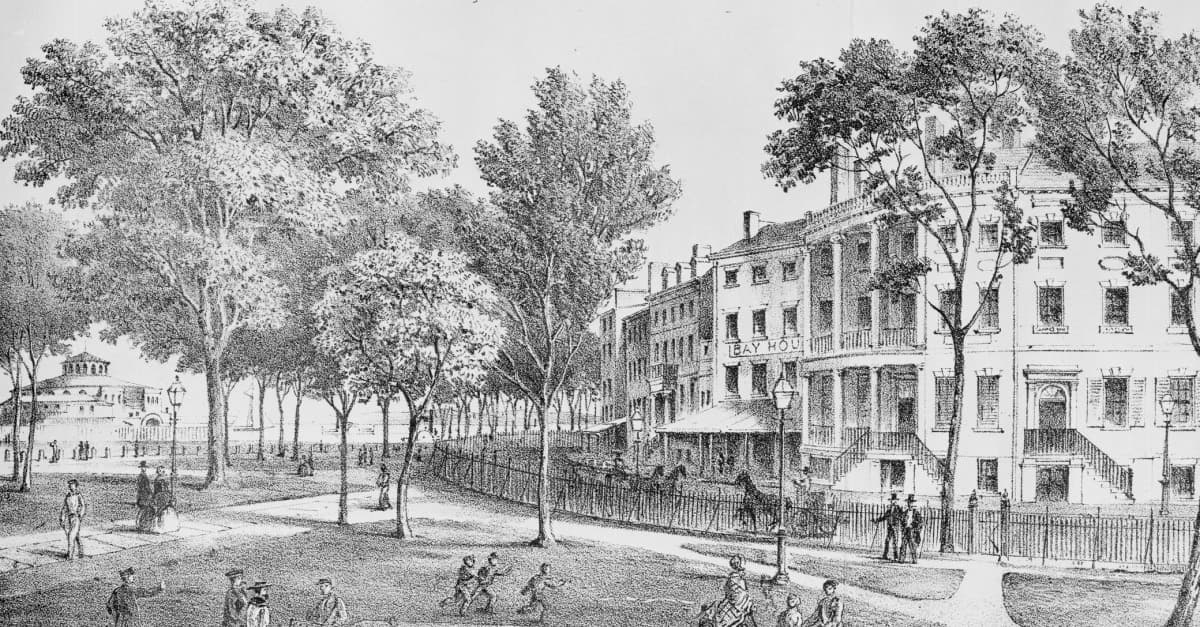
Historical narratives provide another dimension of cultural insight, as exemplified by the celebrated historian of New York City who maps the metropolis’s layered past. By chronicling urban evolution, such work informs policymakers and business leaders about the forces that shape market dynamics, migration patterns, and community resilience. The recent obituaries of figures ranging from musicians to political activists further illustrate how individual legacies contribute to collective memory, reminding audiences that cultural capital is continuously rebuilt through remembrance.
The concept of shame illustrates how moral frameworks evolve alongside societal change. Earlier liberal modernity anchored shame in shared symbolic coordinates, offering a stabilizing social glue. Today, fragmented cultural norms and digital echo chambers have eroded that foundation, prompting scholars to reassess how accountability and reputation function in the public sphere. For executives and strategists, understanding this shift is crucial for navigating brand perception, stakeholder trust, and ethical governance in an increasingly fluid moral landscape.
The Rest Is History
0
Comments
Want to join the conversation?
Loading comments...