The Savage Landscape by Cal Flyn Review – a Carnival of a Book About Earth’s Wild Places
Why It Matters
The work reframes wilderness debates, urging policymakers and audiences to recognize the social and ecological entanglements that define protected landscapes. It underscores the urgency of integrating Indigenous knowledge into climate‑resilient conservation strategies.
Key Takeaways
- •Book links deep‑sea ecosystems to human cultural wilderness myths.
- •Untouched wilderness is largely a fiction.
- •Indigenous peoples face displacement by conservation and extraction.
- •New narratives are needed to inspire ecological stewardship.
Pulse Analysis
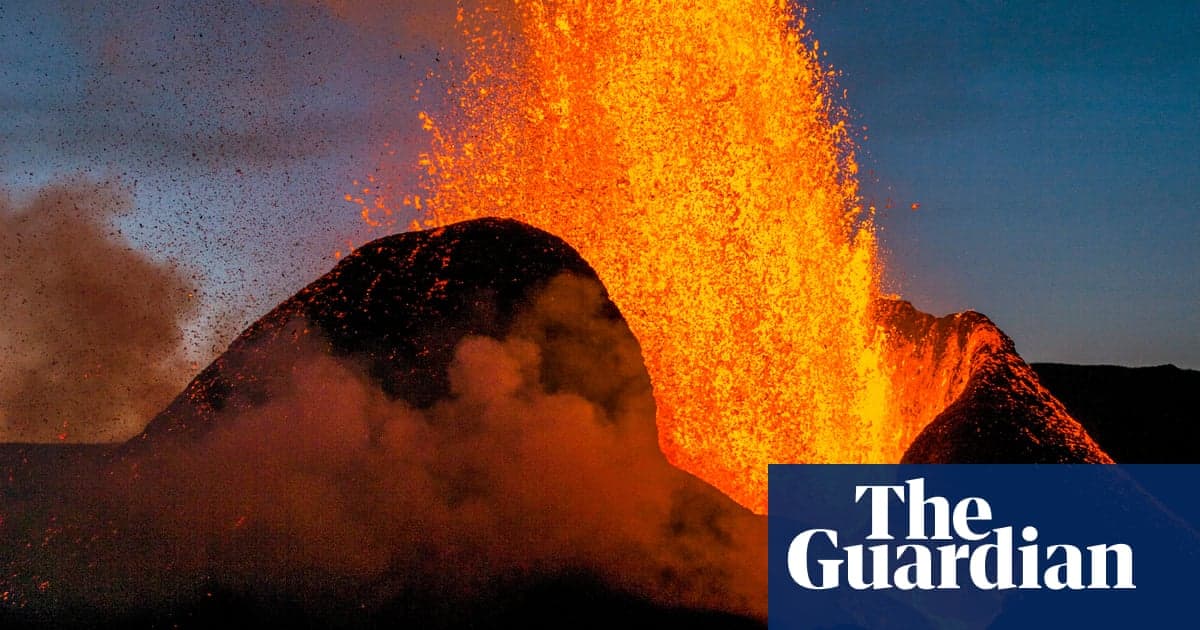
In recent years, wilderness literature has oscillated between romantic escapism and stark environmental critique. Flyn’s latest offering stands out by marrying vivid field observations—such as pearl octopus colonies off California and molten lava flows in Iceland—with a scholarly look at mythic quests from Sumerian epics to Indonesian forest rites. This hybrid approach not only enriches the reader’s sensory experience but also situates wilderness within a broader cultural tapestry, reminding us that the idea of "pure" nature is a construct shaped by centuries of storytelling.
Beyond its narrative flair, "The Savage Landscape" delivers a hard‑won indictment of contemporary conservation practices. By chronicling the Yanomami’s encounter with a chainsaw‑bearing translator and the erosion of Antarctica’s inviolate zones, Flyn illustrates how well‑intentioned protection can become a vehicle for dispossession and resource extraction. The book foregrounds Indigenous voices—from the Bon of Nepal’s Dolpo to the Toraja of Indonesia—showcasing alternative stewardship models rooted in spiritual reciprocity rather than market‑driven management. This perspective challenges the dominant Western paradigm that often sidelines local knowledge in favor of top‑down policies.
The implications for policy and public discourse are profound. As climate urgency intensifies, decision‑makers must move past the illusion of wilderness as an empty canvas and embrace a more inclusive definition that acknowledges human‑nature interdependence. Flyn’s call for fresh narratives—stories that celebrate both the awe of remote landscapes and the lived realities of the communities that inhabit them—offers a roadmap for building resilient, culturally attuned conservation frameworks. Readers seeking depth beyond the travelogue will find a compelling argument for reimagining how societies value, protect, and coexist with the planet’s wild places.
The Savage Landscape by Cal Flyn review – a carnival of a book about Earth’s wild places
Comments
Want to join the conversation?
Loading comments...