Key Takeaways
- •Strout centers the novel on Artie Dam, a 57‑year‑old teacher.
- •The narrative weaves personal grief with the backdrop of a U.S. election.
- •Multiple perspectives create a community portrait resembling a single nervous system.
- •Mid‑book pacing slows, and political commentary can feel detached.
Pulse Analysis
Elizabeth Strout has built a literary brand around intimate portraits of New England life, from the Pulitzer‑winning *Olive Kitteridge* to the sprawling *My Name Is Lucy Barton*. *The Things We Never Say* continues that tradition, but shifts the focus to a male protagonist, offering a fresh angle on her familiar terrain. By situating Artie Dam’s inner world against the broader canvas of a contentious election, Strout bridges the personal and the political, reminding readers that even the most unassuming towns are microcosms of national discourse. This strategic alignment with current events enhances the novel’s relevance for a readership that values both literary craftsmanship and cultural insight.
The novel’s structural choice—to rotate among teachers, students, neighbors, and even a plumber’s wife—creates a narrative rhythm that mimics a community’s nervous system. Each vignette adds a layer to the collective portrait, echoing Carl Jung’s notion that loneliness stems from the inability to share what matters most. Strout’s deft handling of mortality, long‑term marriage, and class disparity deepens the emotional resonance, while her restrained prose invites slow, reflective reading. Critics note that the middle section’s pacing can feel languid, and the political interludes occasionally pull focus from the intimate core, yet these elements also underscore the tension between private lives and public forces.
For the market, the book arrives at a moment when readers are gravitating toward stories that balance character depth with sociopolitical context. Its comparisons to works like John Williams’s *Stoner* and Jonathan Franzen’s *Crossroads* position it within a niche of contemplative, small‑town narratives that sell well in literary circles. Libraries and independent bookstores are likely to feature it prominently, and its thematic richness makes it a strong candidate for book clubs and academic syllabi. Ultimately, Strout delivers a quietly powerful reminder that the things we never say often shape the stories we live.
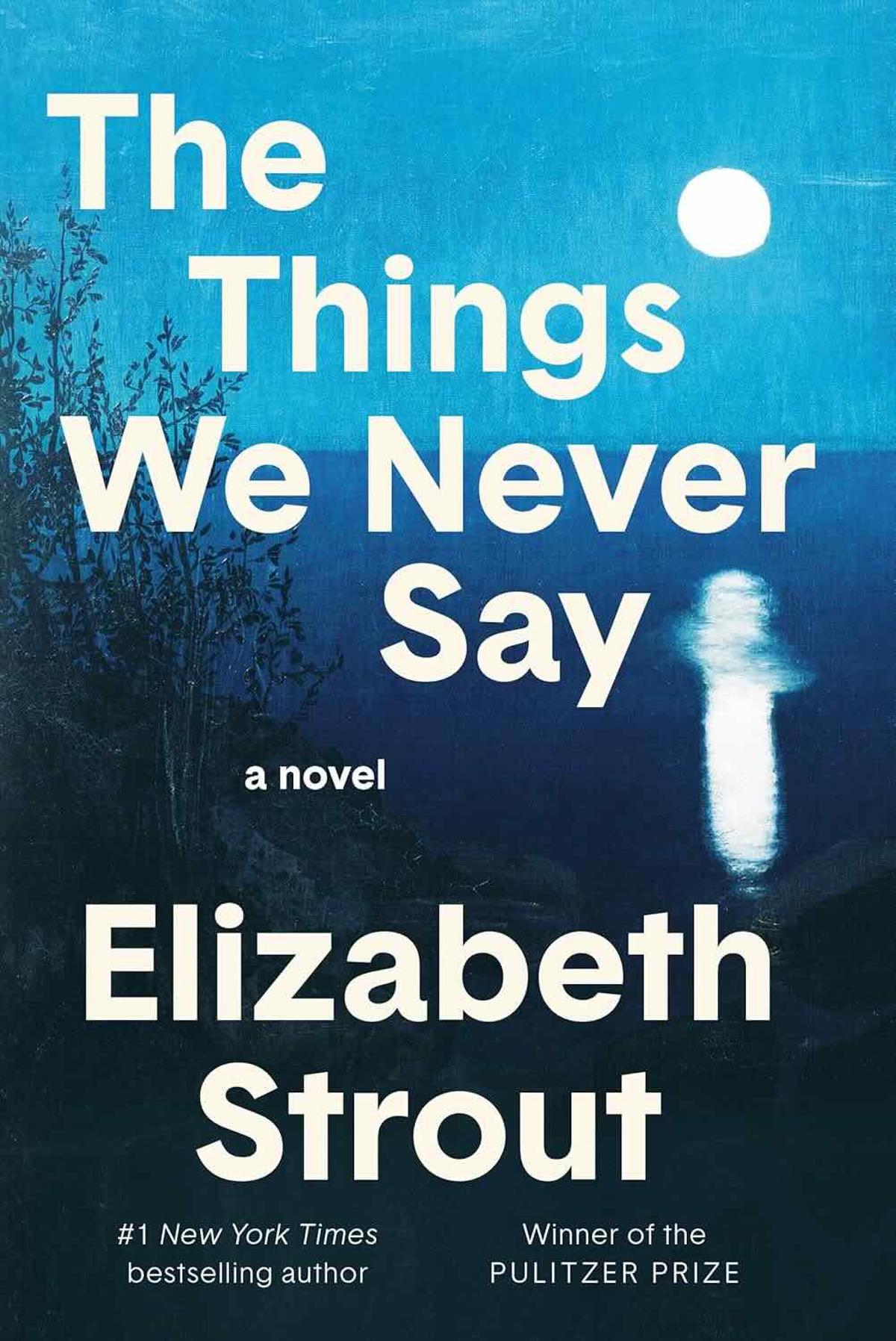
The Things We Never Say by Elizabeth Strout
Comments
Want to join the conversation?