Why It Matters
The novel’s rapid commercial success shows how cultural controversies can translate into lucrative publishing and entertainment deals, while the tradwife debate signals shifting dynamics in gender expectations and political discourse.
Key Takeaways
- •Yesteryear tops NYT bestseller list in its debut month
- •Amazon acquired film rights; Anne Hathaway attached as lead
- •Tradwife TikTok trend fuels debate over modern gender expectations
- •Influencer Ballerina Farm built an eight‑figure CPG empire
Pulse Analysis
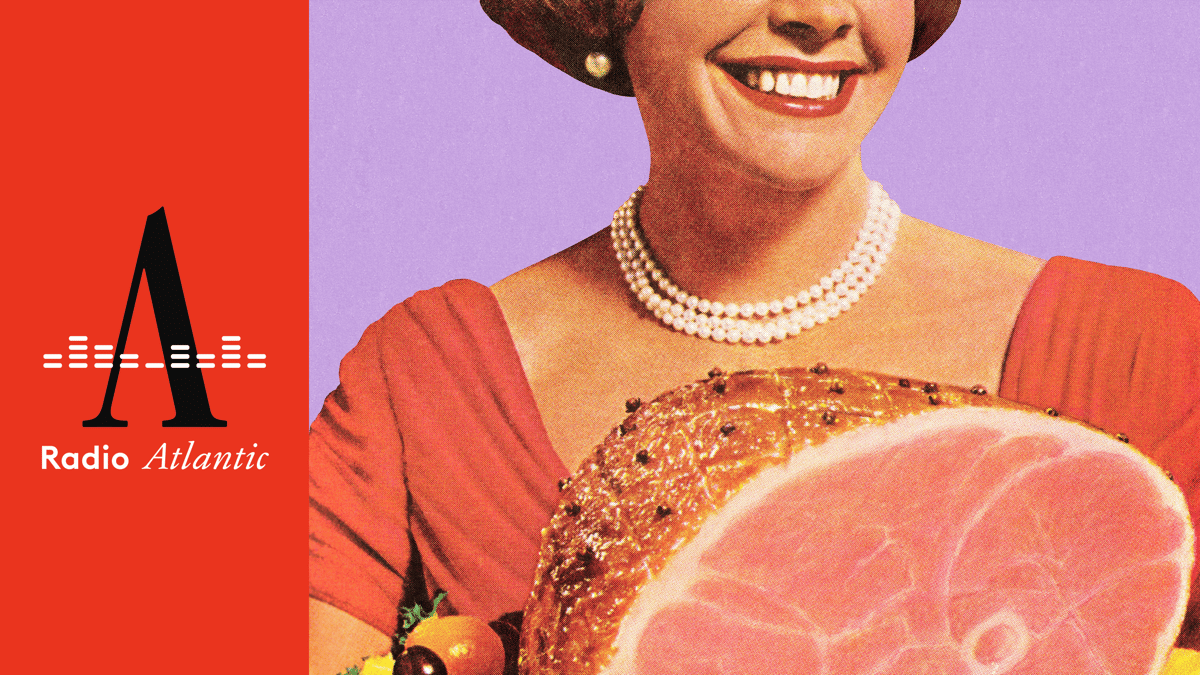
The rise of the "tradwife" on platforms like TikTok reflects a broader yearning for nostalgic domesticity amid a fragmented cultural landscape. Influencers such as Hannah Neeleman showcase curated homesteading routines, large families, and subservient marital dynamics, attracting millions of followers and spawning profitable consumer‑packaged‑goods lines. This phenomenon taps into a historical ideal of the 1950s housewife, repackaged for a digital audience, and has been co‑opted by conservative voices to reinforce pronatalist and traditionalist policy agendas.
Burke’s *Yesteryear* leverages that zeitgeist, turning the tradwife trope into a narrative critique that resonated with readers craving both escapism and critical analysis. Its instant bestseller status underscores how fiction can become a catalyst for public discourse, especially when paired with high‑profile media adaptations. Amazon’s acquisition and Anne Hathaway’s involvement amplify the book’s reach, turning a niche cultural critique into a mainstream entertainment property that will shape conversations in literary circles and beyond.
Beyond the bestseller hype, the tradwife trend raises questions about the economics of authenticity and the commodification of gender roles. Influencers monetize curated domesticity through sponsorships, product lines, and brand partnerships, generating eight‑figure revenues while reinforcing a narrow vision of womanhood. As policymakers cite such trends to justify pronatalist legislation, the intersection of social media, consumer culture, and political rhetoric will likely intensify, making the dialogue sparked by *Yesteryear* a bellwether for future gender‑related debates.
The Tragedy of the Tradwife
Comments
Want to join the conversation?
Loading comments...