‘The Wild Party’ Is a Vivacious Play That Started as a Scandalous Poem
Why It Matters
The poem’s revival underscores the timeless appeal of transgressive art, prompting theaters to revisit controversial source material for fresh interpretations. Its adaptability demonstrates how early 20th‑century literature can drive modern commercial productions and cultural dialogue.
Key Takeaways
- •Poem banned 1928 for explicit content.
- •Original 1926 poem inspired multiple stage adaptations.
- •1994 illustrated edition revived interest.
- •Two competing Broadway/Off‑Broadway productions in 1999.
- •Modern NYC Center revival highlights poem’s lasting relevance.
Pulse Analysis
When Joseph Moncure March penned “The Wild Party” in the summer of 1926, he captured the roaring‑twenties zeitgeist with a rhythm that mirrored jazz improvisation. The poem’s raw portrayal of hedonism—sex, cocaine, and violence—prompted immediate censorship, leading to a limited‑run ban in 1928. Yet the work’s literary daring resonated with later avant‑garde writers, from Beat poet William S. Burroughs to modern scholars, cementing its status as a seminal example of American confessional verse. Its controversial legacy set a precedent for how provocative content can eventually achieve critical acclaim.
The narrative’s cinematic qualities made it a natural candidate for adaptation. After a 1975 film version, the late 1990s saw two rival musical interpretations: Andrew Lippa’s Off‑Broadway production and the Broadway collaboration of Michael John LaChiusa with George C. Wolfe. Both shows re‑imagined the poem’s chaotic energy through distinct musical vocabularies, proving that a single source can inspire divergent artistic visions. The dual productions sparked industry debate about intellectual property, creative ownership, and the commercial viability of edgy material on mainstream stages.
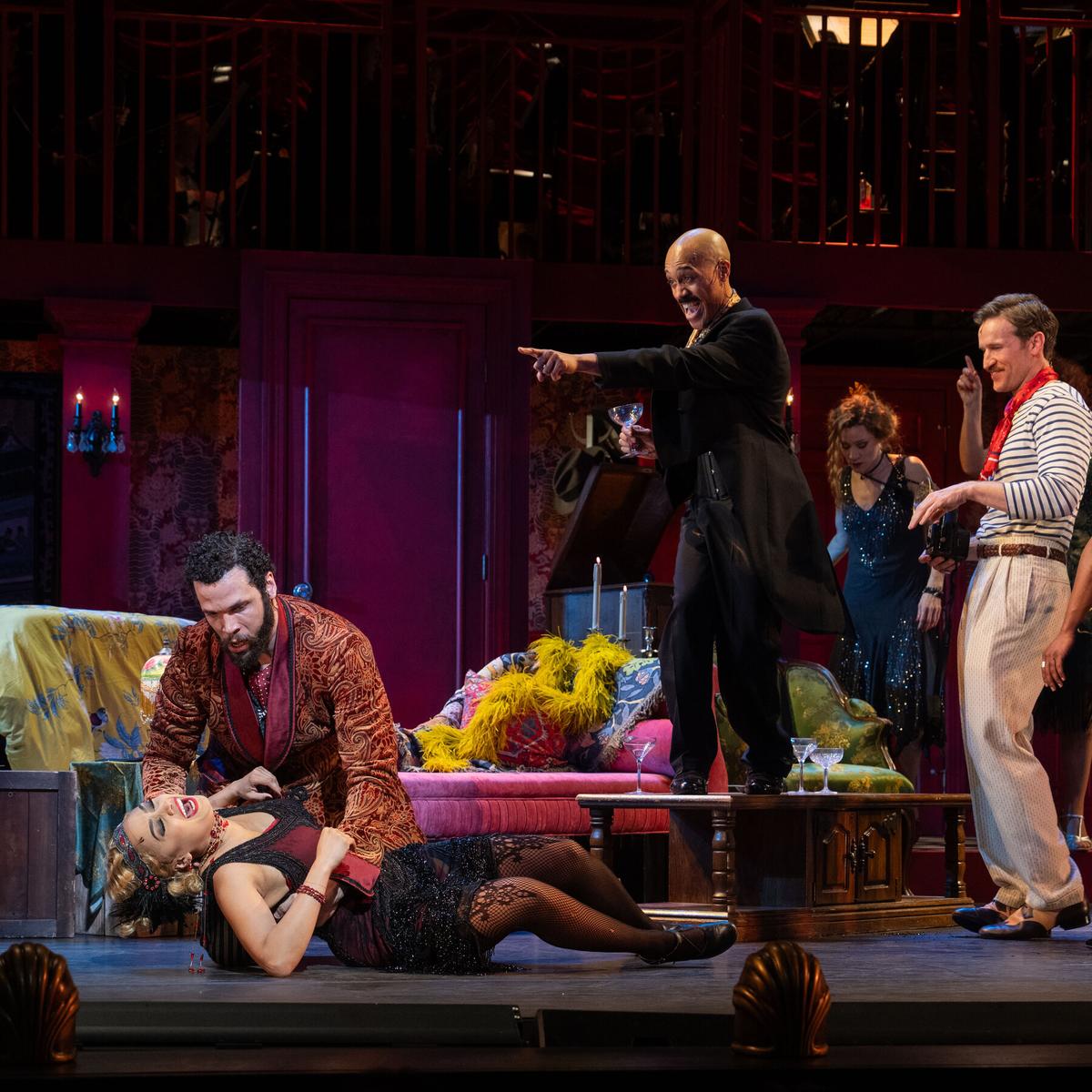
New York City Center’s recent revival demonstrates the poem’s enduring market relevance. By situating the 1920s studio party in a modern theatrical context, the production appeals to audiences hungry for gritty, historically rooted storytelling. The revival also signals a broader trend: theaters are increasingly mining early‑20th‑century literature for fresh, revenue‑generating content. As streaming platforms and live‑theater audiences converge, works like “The Wild Party” offer a proven formula—provocative narrative, musicality, and cultural nostalgia—that can attract both critics and ticket buyers.
‘The Wild Party’ Is a Vivacious Play That Started as a Scandalous Poem
Comments
Want to join the conversation?
Loading comments...