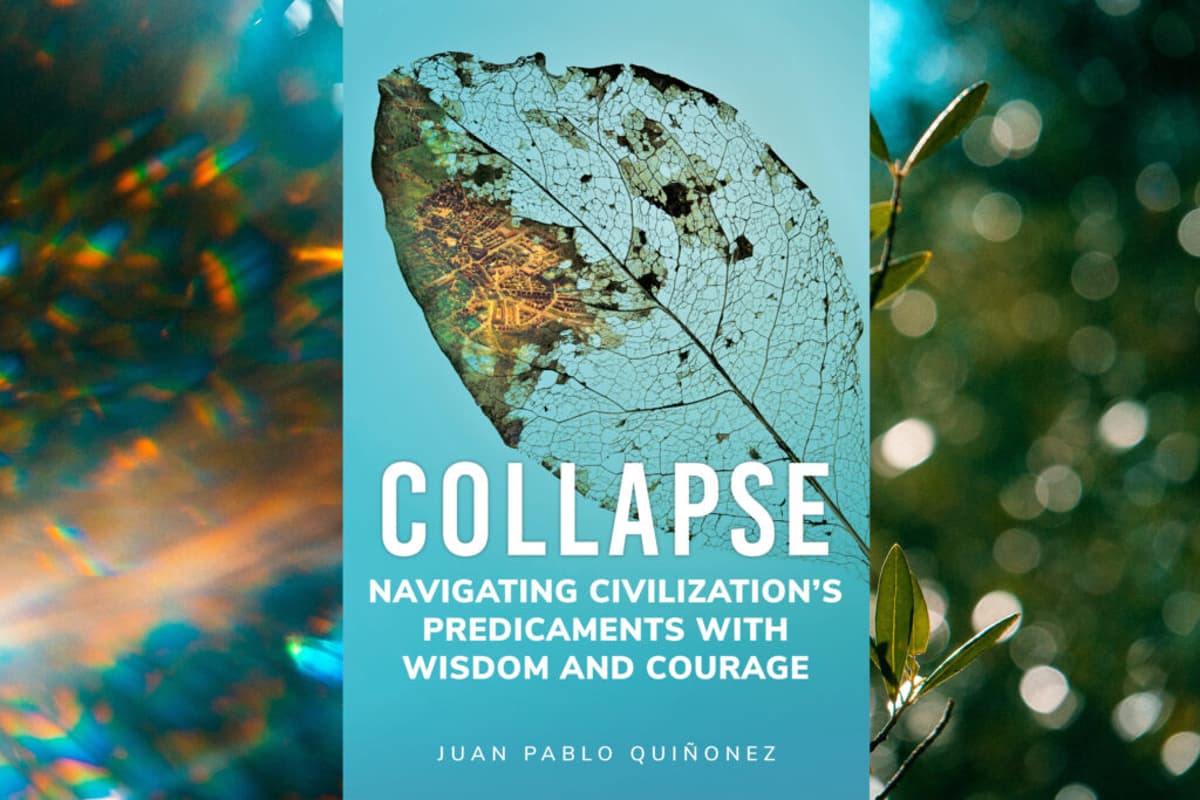
There’s No Single Path Through Collapse. It Spans Multiple Systems and Perspectives
Key Takeaways
- •Book links polycrisis to psychology, culture, thermodynamics.
- •Author draws on wilderness living to contrast modern systems.
- •Highlights mental traps: tribal worldviews and optimism/pessimism extremes.
- •Calls for adaptable, middle‑ground navigation of societal decline.
- •Emphasizes holistic view and self‑awareness to address collapse.
Pulse Analysis
The polycrisis narrative has moved beyond isolated environmental or economic headlines, demanding a synthesis of science, sociology, and psychology. Quinonez’s *Collapse* leverages his firsthand experience in remote boreal forests to illustrate how modern energy and resource dependencies differ starkly from low‑tech, self‑sufficient living. This contrast reveals the hidden fragility of supply chains and the psychological comfort zones that mask systemic vulnerabilities, offering readers a tangible reference point for evaluating the resilience of contemporary infrastructure.
A central theme of the book is the cognitive inertia that keeps societies locked into unsustainable trajectories. Tribal worldviews, inherited cultural myths, and the comforting illusion of endless growth act as mental barriers, fostering either reckless optimism or fatalistic pessimism. Quinonez argues that these extremes impede constructive action, while a balanced, adaptable mindset—one that accepts inevitable decline yet seeks innovative pathways—offers a more realistic roadmap. This perspective aligns with emerging research on resilience, which emphasizes flexibility, redundancy, and the capacity to reconfigure social‑technical systems under stress.
For business leaders and investors, the implications are profound. Recognizing the interconnected nature of climate limits, geopolitical tensions, and social cohesion can inform risk‑adjusted portfolio strategies and guide corporate governance toward long‑term sustainability. Quinonez’s call for holistic self‑awareness encourages decision‑makers to interrogate their own biases, fostering a culture of transparent scenario planning. By integrating interdisciplinary insights and embracing adaptive governance, organizations can better navigate the uncertain terrain ahead, turning the inevitability of collapse into an opportunity for purposeful transformation.
There’s no single path through collapse. It spans multiple systems and perspectives
Comments
Want to join the conversation?