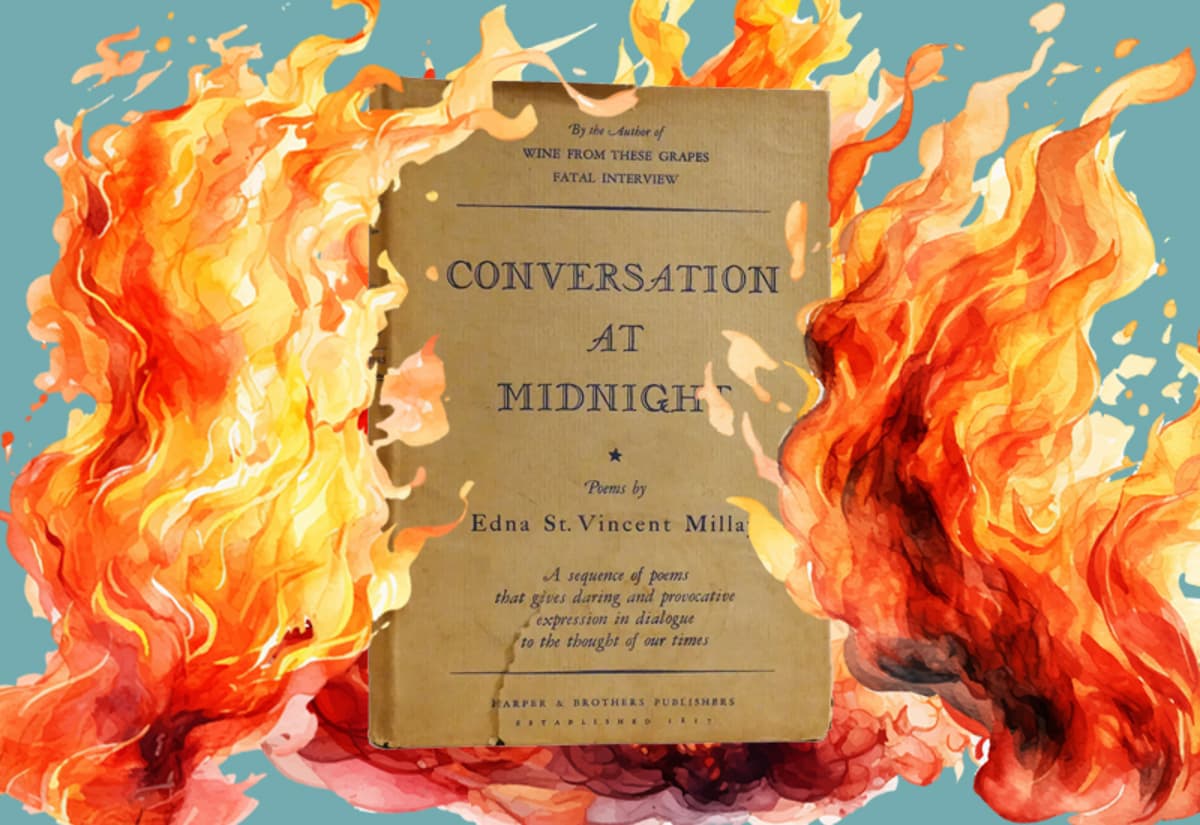
This Week in Literary History: Edna St. Vincent Millay Loses Her Manuscript in a Hotel Fire
Companies Mentioned
Why It Matters
The incident underscores the vulnerability of literary heritage to physical disasters and highlights Millay’s extraordinary creative resilience, influencing how scholars view her later work.
Key Takeaways
- •Hotel fire erased Millay’s unfinished manuscript and rare Catullus copy
- •Millay rewrote *Conversation at Midnight* entirely from memory
- •The loss delayed publication until the following year
- •Event illustrates risks of preserving original literary material
Pulse Analysis
The 1936 Sanibel Island hotel fire that consumed Edna St. Vincent Millay’s manuscript offers a vivid case study of how physical catastrophes can erase cultural artifacts. Millay, the first woman to win the Pulitzer Prize for poetry, had been preparing *Conversation at Midnight* for a June release when flames reduced her drafts to ash. The loss also claimed a seventeenth‑century Catullus edition, a personal treasure that she described as the only work that moved her emotionally. This dual devastation highlights the fragile nature of original literary documents and the importance of robust preservation strategies.
Despite the tragedy, Millay’s response became a testament to artistic perseverance. Within months she reconstructed the entire manuscript from memory, a feat that astonished contemporaries and later scholars. Her ability to recreate the work without any physical reference points underscores the depth of her creative process and the mental imprint of her poetry. The published version, released in 1937, carries an added layer of historical significance, reflecting both the original vision and the resilience forged by loss.
The episode resonates today as libraries, archives, and writers confront similar threats—from fires to digital corruption. It prompts ongoing discussions about digitization, off‑site backups, and the role of fire‑proof storage in safeguarding literary heritage. Millay’s experience serves as a cautionary tale and an inspirational narrative, reminding the literary community that while physical manuscripts are vulnerable, the intellectual capital they embody can endure through determination and modern preservation tools.
This Week in Literary History: Edna St. Vincent Millay Loses Her Manuscript in a Hotel Fire
Comments
Want to join the conversation?
Loading comments...