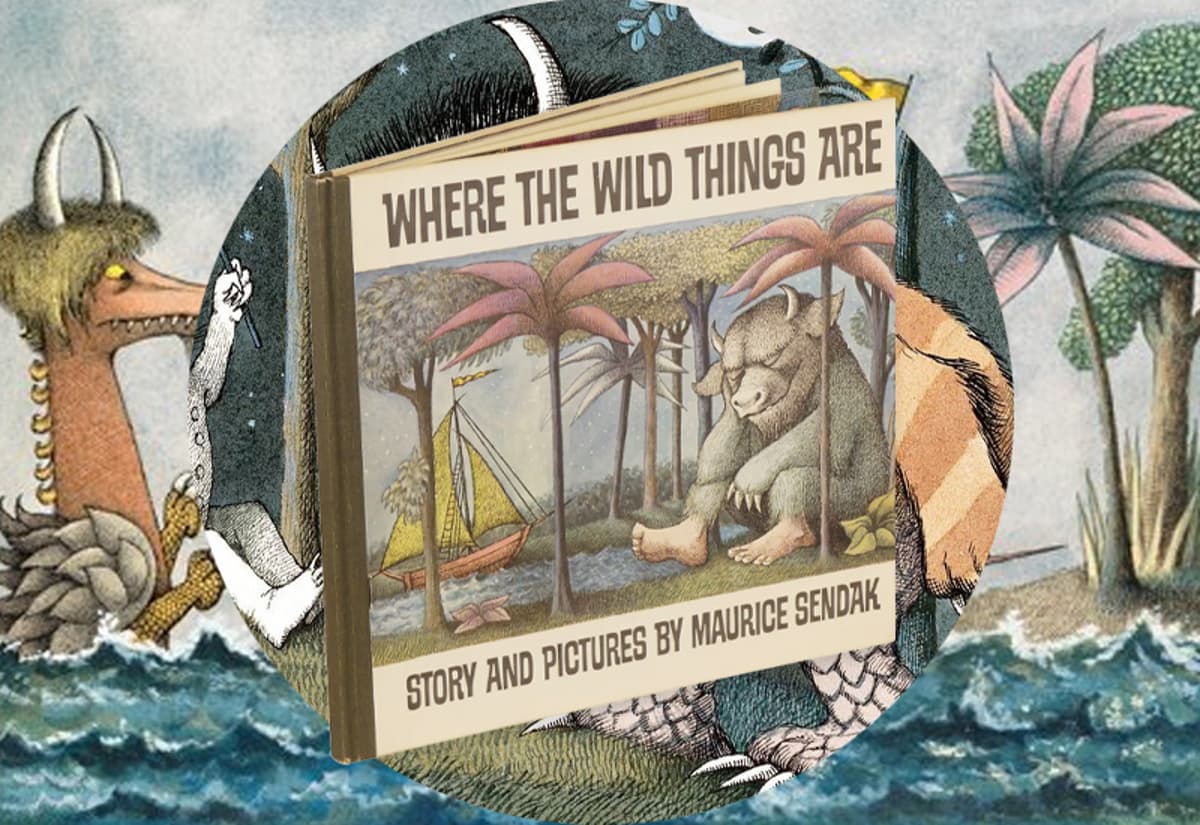
This Week in Literary History: Maurice Sendak’s Where the Wild Things Are Is Published
Why It Matters
The title’s enduring popularity demonstrates how a single, well‑crafted children’s book can generate a multigenerational brand, driving sustained sales, licensing revenue, and industry standards for picture‑book excellence.
Key Takeaways
- •Published April 9 1963; quickly became bestseller
- •Won 1964 Caldecott Medal for distinguished picture book
- •Launches Sendak’s 30‑year influential children’s publishing career
- •No sequel; Sendak deemed continuation ‘boring’
- •Continues strong sales; cultural icon across generations
Pulse Analysis
Maurice Sendak’s journey from a teenage window‑designer at FAO Schwarz to the creator of *Where the Wild Things Are* reflects a self‑taught artist’s rise in mid‑20th‑century America. The book’s simple premise—Max’s imaginative escape to an island of “wild things”—combined with stark, expressive illustrations that drew on Renaissance masters, resonated with parents and educators seeking depth beyond didactic stories. Its 1964 Caldecott win signaled industry validation, propelling the title into libraries, schools, and homes nationwide, and establishing a new benchmark for narrative complexity in picture books.
The commercial ripple effect was profound. By the late 1960s, the book’s sales had surpassed a million copies, a rare feat for a children’s title, and it spawned a lucrative licensing ecosystem that includes toys, apparel, and stage adaptations. Publishers took note, investing more heavily in author‑illustrator collaborations and prioritizing bold visual storytelling to capture market share in an increasingly competitive segment. The success also underscored the financial viability of award‑winning picture books, influencing acquisition strategies and marketing budgets across the industry.
Decades later, *Where the Wild Things Are* remains a cultural touchstone, regularly featured in bestseller lists, academic curricula, and multimedia adaptations such as the 2009 Spike Jonze film. Its longevity offers a case study in brand endurance: a single intellectual property can generate recurring revenue streams through re‑issues, anniversary editions, and global translations. For modern publishers, the lesson is clear—invest in distinctive, high‑quality content early, and nurture it across platforms to build a timeless asset that transcends generations.
This Week in Literary History: Maurice Sendak’s Where the Wild Things Are is Published
Comments
Want to join the conversation?
Loading comments...