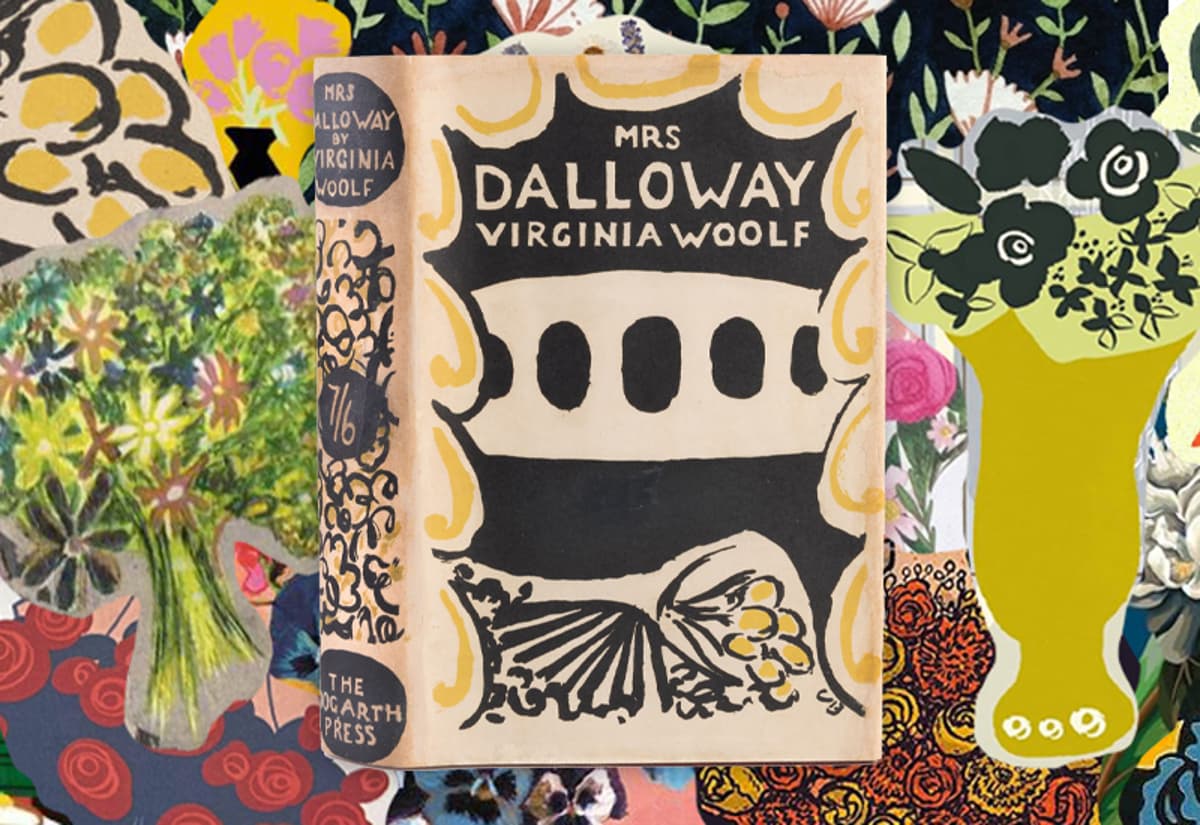
This Week in Literary History: Virginia Woolf’s Mrs Dalloway Is Published.
Companies Mentioned
Why It Matters
Mrs. Dalloway’s evolution illustrates the experimental process that defined modernist literature, shaping narrative techniques still taught in creative writing and publishing programs. Its lasting influence underscores the commercial and cultural value of innovative literary ventures.
Key Takeaways
- •Woolf drafted Mrs. Dalloway in 1922 notebook, planning six chapters
- •She renamed the work 'The Hours' before finalizing the title
- •Published May 14, 1925 by Hogarth Press, illustrated by Vanessa Bell
- •Initially modest sales, now a cornerstone of modernist literature
Pulse Analysis
Virginia Woolf’s Mrs. Dalloway emerged from a modest notebook entry in August 1922, where she sketched a fragmented structure of six or seven short chapters converging on a single party scene. The early draft, tentatively titled "The Hours," reflected Woolf’s ambition to fuse character studies with fleeting interludes of thought, a hallmark of modernist experimentation. By the following year, her diary entries reveal a fierce, self‑critical creative battle, underscoring the novel’s eventual departure from linear storytelling toward a fluid, memory‑driven narrative that would redefine the English novel.
The publication journey of Mrs. Dalloway illustrates the synergy between authorial vision and independent publishing. Released on May 14, 1925 by the Hogarth Press—an enterprise Woolf co‑founded with Leonard Woolf—the book bore an iconic cover designed by her sister Vanessa Bell, blending literary art with visual branding. Though initial sales were modest, the novel’s innovative treatment of time, consciousness, and social critique resonated with readers and scholars, propelling it into the core of the literary canon and influencing subsequent generations of writers, from James Joyce to contemporary novelists exploring interiority.
For today’s publishing and media professionals, Woolf’s process offers a case study in cultivating cultural capital through artistic risk. The novel’s enduring relevance demonstrates how a work that challenges conventional form can generate long‑term value far beyond its launch window, informing strategies around rights management, brand extension, and cross‑media adaptation. As the literary market increasingly seeks distinctive voices, Mrs. Dalloway’s legacy reinforces the business case for supporting experimental narratives that can become timeless assets.
This Week in Literary History: Virginia Woolf’s Mrs Dalloway is Published.
Comments
Want to join the conversation?
Loading comments...