Why It Matters
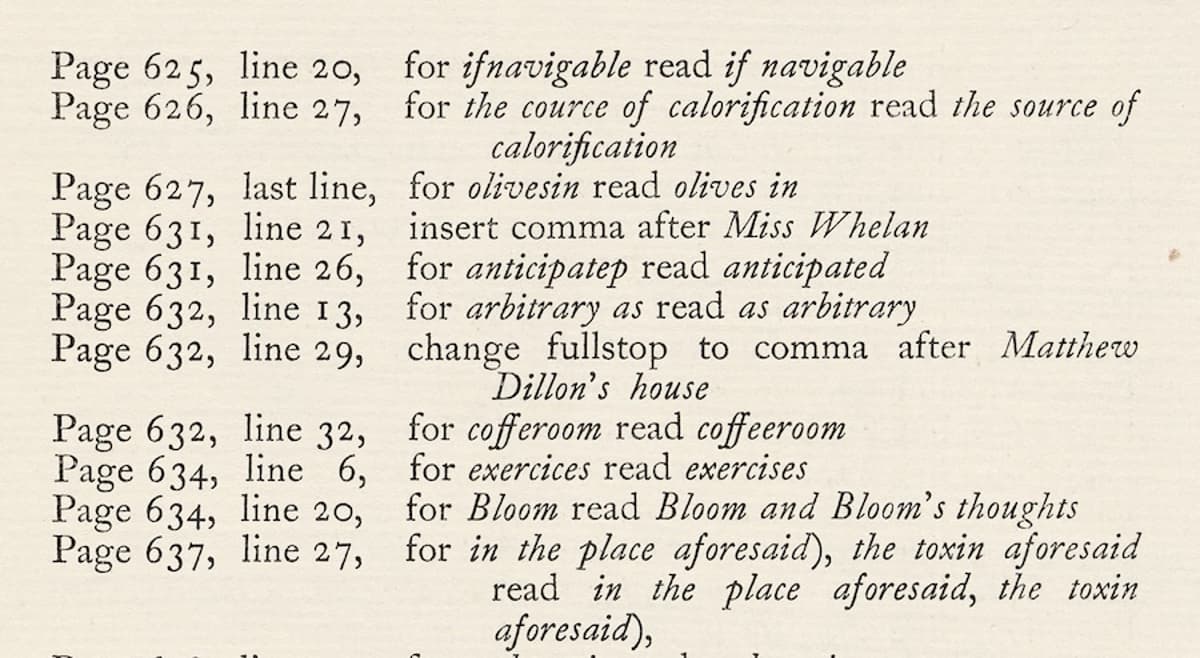
The exhibit underscores how correction practices shape literary scholarship and modern publishing workflows, revealing the aesthetic and historical value of what were once mere mistake notices.
Key Takeaways
- •Exhibition reveals centuries‑old errata as literary and design artifacts
- •Errata slips often read like poetry due to “for X read Y” format
- •Coleridge used errata to revise poems and comment on war
- •Graphic design of errata informs modern correction workflows
Pulse Analysis
Errata—tiny slips inserted to correct printing errors—have been a staple of the book trade since the late fifteenth century. Before modern typesetting, a single misplaced letter could alter meaning, prompting printers to issue a separate sheet that listed the page, line, the erroneous word and its correction. Over time these notices evolved from functional memos into a distinctive typographic form, often arranged in three‑to‑five column tables. Scholars now view errata as cultural artifacts that reveal the economics of early publishing, authorial intent, and the collaborative nature of textual production.
The Yale exhibition, staged in the Hanke Gallery of Sterling Memorial Library, assembles more than fifty errata examples, ranging from a 1622 satirical poem that masquerades as a correction notice to Samuel Taylor Coleridge’s relentless post‑release revisions of “Effusion XX.” Curator Geoff Kaplan points out that the standard “for X read Y” phrasing creates a rhythm akin to poetry, turning mundane fixes into lyrical fragments. Graphic designers on the team also demonstrate how the physical dimensions—smaller than the host volume and often pasted to the backboard—contribute to a visual hierarchy that modern editors still emulate in digital correction tools.
By foregrounding these slips, the show invites publishers, designers, and literary historians to reconsider the role of error in the creative process. In today’s digital environment, errata have migrated to online errata pages, version‑control systems, and automated update notices, yet the underlying logic remains unchanged. Understanding the historical aesthetics of correction can inform contemporary practices, from UI design for revision workflows to the preservation of authorial intent in scholarly editions. The exhibition thus bridges a gap between antiquarian book culture and the fast‑moving world of modern publishing.
We Goofed
Comments
Want to join the conversation?
Loading comments...