Why It Matters
The convergence of sport, public art, and social discourse shows how football can reshape national identity and confront racism, turning Arsenal's triumph into a cultural flashpoint beyond the pitch.
Key Takeaways
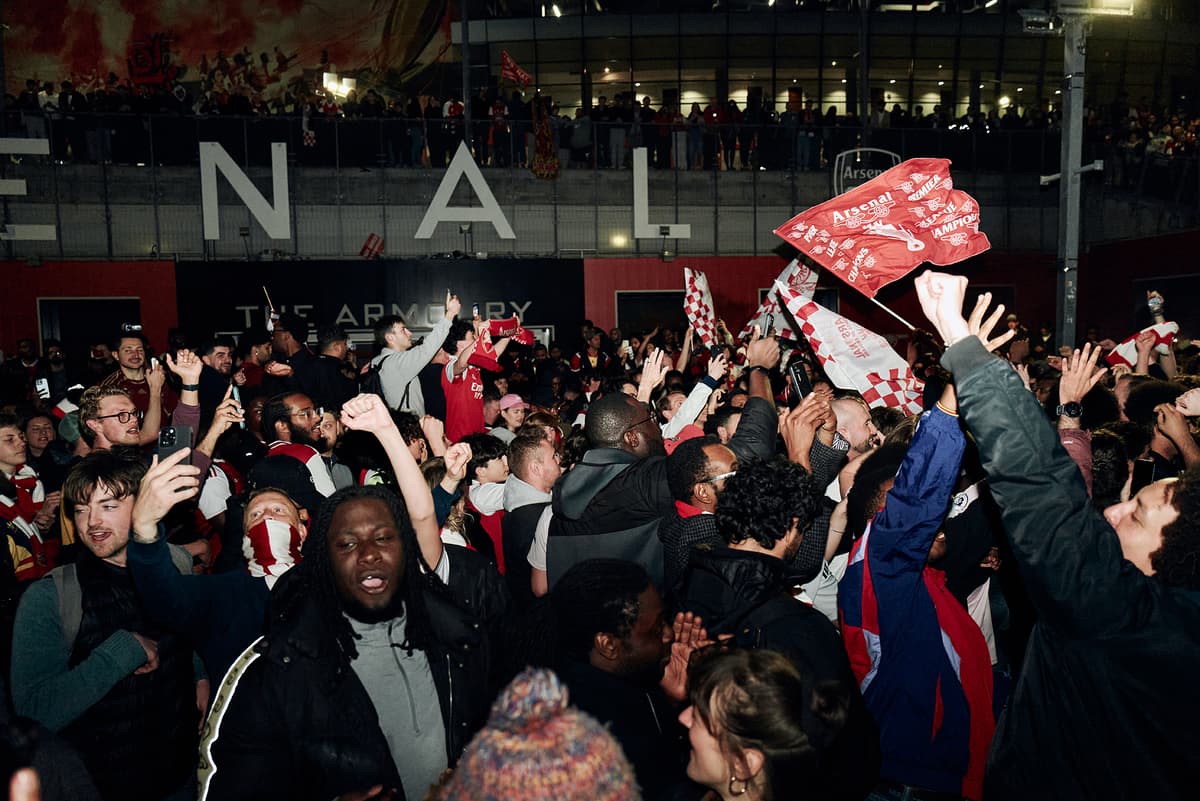
- •Arsenal’s 2026 league title sparked massive fan gathering at Emirates.
- •New murals celebrate Black player Eze and 721 fans, highlighting multiculturalism.
- •Art‑football nexus challenges racism by visualizing inclusive community identity.
- •Celebrations contrasted with anti‑immigration rhetoric surrounding May 2026 UK elections.
- •The murals become lasting archives of London’s evolving multicultural narrative.
Pulse Analysis
Arsenal’s 2026 Premier League victory did more than fill trophy cabinets; it ignited a city‑wide celebration that turned the Emirates Stadium into a living canvas of collective joy. Tens of thousands streamed onto the streets of Islington, their chants echoing through a night that felt both triumphant and symbolic. In a city still grappling with post‑Brexit identity politics, the spontaneous gathering offered a vivid illustration of how sport can unite disparate communities around a shared narrative of success.
At the heart of this cultural moment are two striking murals that reframe the win as a statement on Black representation and multiculturalism. The newly unveiled portrait of Eberechi Eze, a Black Arsenal winger, anchors the club’s evolving identity on a concrete underpass, while Reuben Dangoor’s "Found a Place Where We Belong" stitches together 721 fan portraits across generations. These artworks do more than decorate; they embed the club’s history within a broader social fabric, challenging the paradox of a football culture that celebrates Black talent on the pitch yet often marginalizes Black voices off it.
Beyond the stadium, the celebrations served as a counterweight to the anti‑immigration rhetoric that dominated the May 2026 local elections and the "Unite the Kingdom" march. By visualizing inclusion through murals and mass fan participation, Arsenal’s triumph became a rallying point for a more pluralistic national identity. The episode underscores how football, when paired with purposeful art, can influence public sentiment, offering policymakers and cultural leaders a template for leveraging sport as a catalyst for social cohesion.
What Arsenal’s League Win Tells Us About Britain – And Art
Comments
Want to join the conversation?
Loading comments...