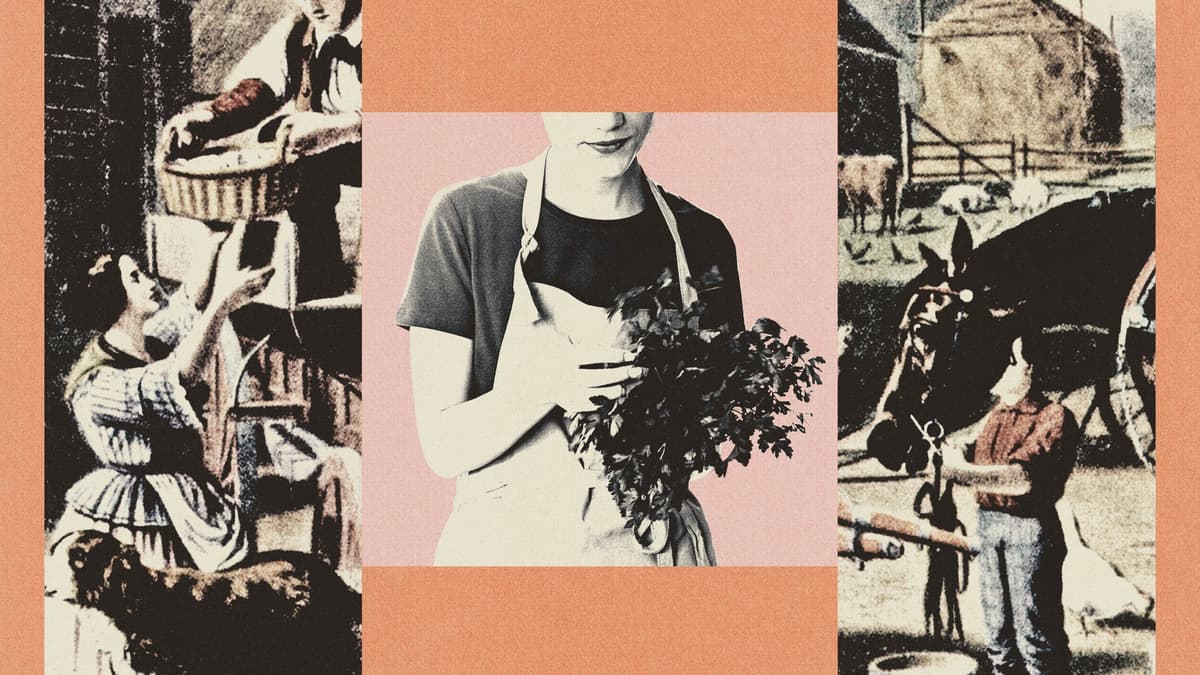
Why It Matters
The story spotlights how curated domesticity becomes a lucrative influencer business, reshaping gender narratives and consumer culture. It signals a broader shift where personal branding around traditional femininity drives multi‑million‑dollar enterprises.
Key Takeaways
- •Yesteryear tops 2026 bestseller lists, film rights sold to Anne Hathaway
- •Tradwife influencer Hannah Neeleman leverages 10M followers into $30M brand revenue
- •King’s College study: 18‑34 women prefer calm tradwife content
- •Burke argues tradwife appeal stems from shared misogyny, not genuine traditionalism
- •Online backlash fuels influencer’s power, turning domestic performance into lucrative empire
Pulse Analysis
The rise of the tradwife archetype reflects a paradox at the heart of today’s creator economy. Influencers like Hannah Neeleman have transformed nostalgic domestic imagery into a high‑margin brand, selling meat, frozen cinnamon rolls, and lifestyle products to a ten‑million‑strong audience. This model capitalizes on the desire for a "calm, relaxed" portrayal of family life, a sentiment echoed in a recent King’s College survey of women aged 18‑34, who favor the aesthetic even while rejecting its underlying gender prescriptions. By monetizing authenticity—real meals, farmhouse settings, and relentless self‑surveillance—these creators command advertising dollars, sponsorships, and e‑commerce sales that rival traditional retail giants.
Burke’s *Yesteryear* amplifies the cultural stakes by dramatizing the cost of such performance. The protagonist Natalie, a digital facsimile of Neeleman, leverages her online persona to fund a struggling farm while secretly siphoning revenue away from her husband. The narrative exposes how the tradwife brand can mask exploitative labor practices, from underpaid nannies to hidden financial dependencies, and how the pursuit of perfection fuels a toxic cycle of self‑objectification and audience antagonism. Critics note that the novel’s popularity underscores a broader societal fascination with women who appear to surrender agency yet wield substantial economic power behind the scenes.
Beyond the literary buzz, the tradwife trend signals a shift in consumer expectations and gender dynamics. Brands are courting influencers who embody traditional aesthetics, betting that authenticity—however staged—drives higher conversion rates than generic lifestyle marketing. Meanwhile, the backlash from feminist circles and the “Angry Women” cohort illustrates a growing awareness of the misogynistic undercurrents that sustain the phenomenon. As the line blurs between personal identity and commercial enterprise, businesses and policymakers must grapple with the ethical implications of profiting from curated domesticity, especially when it reinforces inequitable power structures.
What Happens When the Tradwife Dream Goes Wrong?
Comments
Want to join the conversation?
Loading comments...