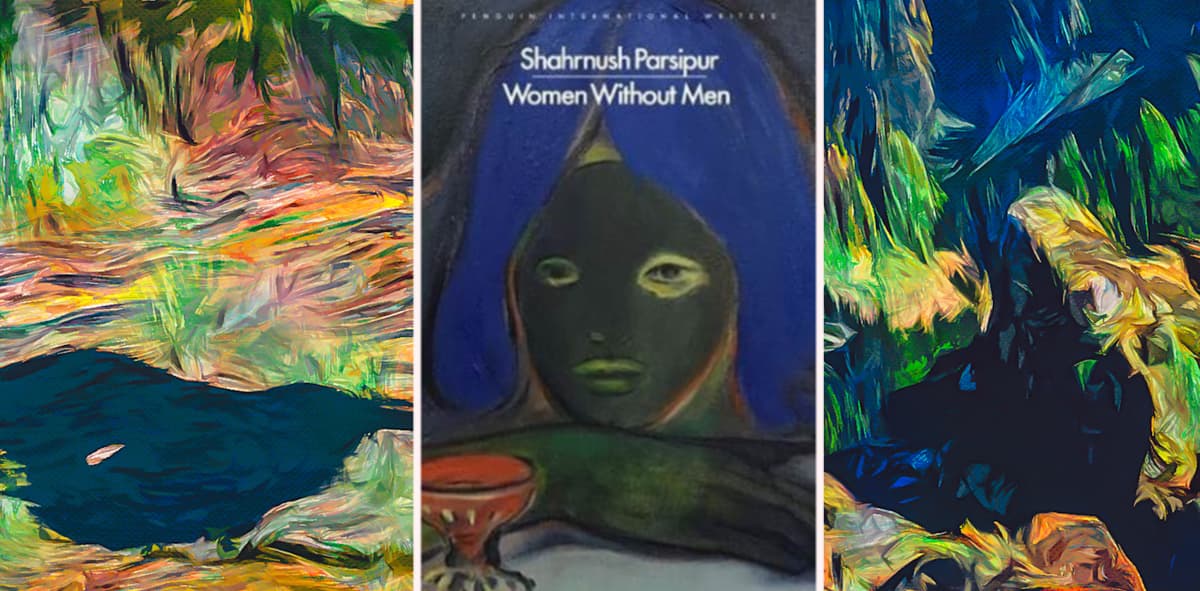
Women Without Men: A Novella that Tells the History of Iran Through Women’s Bodies
Why It Matters
The translation makes a pivotal feminist work accessible to global readers, highlighting the historic link between foreign intervention and persistent gender oppression in Iran. It offers a literary lens for understanding contemporary struggles for women’s autonomy in the region.
Key Takeaways
- •First English translation released after decades of ban
- •Story links 1953 coup to women’s bodily autonomy
- •Garden serves as feminist counter‑public space
- •Parsipur blends realism, magical realism to challenge narrative authority
- •Novel highlights how foreign intervention fuels internal authoritarianism
Pulse Analysis
The emergence of an English edition of Women Without Men marks a cultural milestone, rescuing a text that was silenced by Iran’s pre‑revolutionary censorship machine. Parsipur’s daring prose, which earned her a prison sentence, combines stark realism with surreal, magical elements, allowing readers to feel the visceral impact of patriarchal control beyond political rhetoric. By translating the novel, Faridoun Farrokh opens a window onto a literary tradition that has long been confined to Persian‑speaking audiences, enriching global feminist discourse.
Set amid the 1953 CIA‑backed coup, the novella reframes a pivotal geopolitical event through intimate, gendered experiences. The five protagonists abandon urban confinement for a garden that becomes a counter‑public sphere, where everyday acts of resistance—silence, desire, and refusal—challenge both domestic and state‑level authoritarianism. Parsipur’s narrative strategy demonstrates how personal trauma and national trauma intersect, illustrating that the regulation of women’s bodies is a foundational pillar of broader political domination.
In today’s climate of renewed external pressure on Iran, the novel’s themes resonate with renewed urgency. The garden’s fleeting sanctuary mirrors contemporary women’s networks that negotiate space within repressive regimes, while the story’s critique of foreign meddling underscores how external interventions can exacerbate internal oppression. Readers and policymakers alike can draw lessons from Parsipur’s portrayal of resilience: lasting change emerges not from escapism but from collective, grounded action that reclaims agency within society’s structures.
Women Without Men: a novella that tells the history of Iran through women’s bodies
Comments
Want to join the conversation?
Loading comments...