Why It Matters
The book highlights ethical tensions in the booming true‑crime podcast market, signaling how fiction can critique media practices that shape public perception. Its mixed reception underscores the challenge of balancing genre thrills with nuanced social commentary.
Key Takeaways
- •Leigh examines true‑crime media's ethical pitfalls through a kidnapping plot
- •Protagonists combine police experience and tech skills to chase missing podcaster
- •Narrative alternates perspectives, heightening suspense amid Adirondack setting
- •Stiff dialogue and unresolved PR‑stunt twist draw mixed reviewer reactions
Pulse Analysis
The true‑crime podcast explosion has turned real‑world investigations into entertainment, and readers are hungry for stories that question that shift. *You Can Tell Me* taps into this appetite by positioning a true‑crime author and a podcaster at the center of a high‑stakes mystery, forcing the audience to confront how sensationalism can endanger the very subjects it profiles. By setting the chase in the atmospheric Adirondacks, Leigh adds a regional flavor that distinguishes the novel from urban‑centric thrillers, while the stormy weather mirrors the escalating tension.
Leigh’s narrative structure—alternating between Olivia’s trauma‑laden memories and Zoe’s covert escape—creates a layered puzzle that rewards attentive readers. The trio of investigators—former detective Lincoln, internet‑wise niece Nicki, and the resilient Olivia—illustrate a modern, interdisciplinary approach to sleuthing, blending classic police instincts with digital forensics. This partnership reflects a broader industry trend where law enforcement increasingly collaborates with tech‑savvy civilians, a dynamic that resonates with today’s audience.
Critical response points to uneven dialogue and an unresolved subplot about a PR‑stunt abduction, suggesting that the novel prioritizes plot momentum over character depth. Nonetheless, its commentary on the commodification of victim stories offers valuable insight for creators and consumers of true‑crime content. As the genre continues to expand across books, podcasts, and streaming platforms, *You Can Tell Me* serves as both a cautionary tale and a compelling thriller for those interested in the ethical frontiers of crime storytelling.
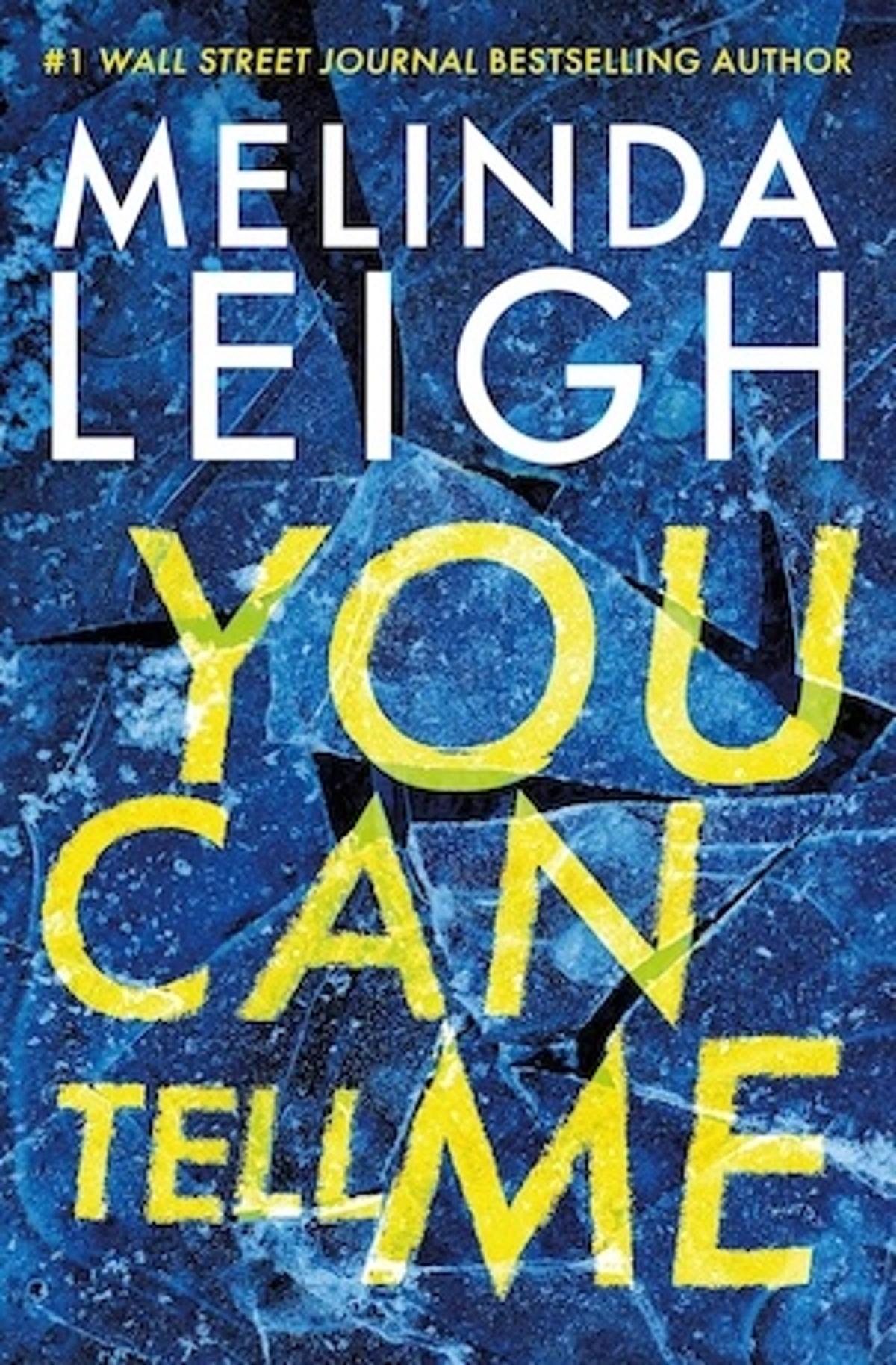
You Can Tell Me by Melinda Leigh
Comments
Want to join the conversation?
Loading comments...