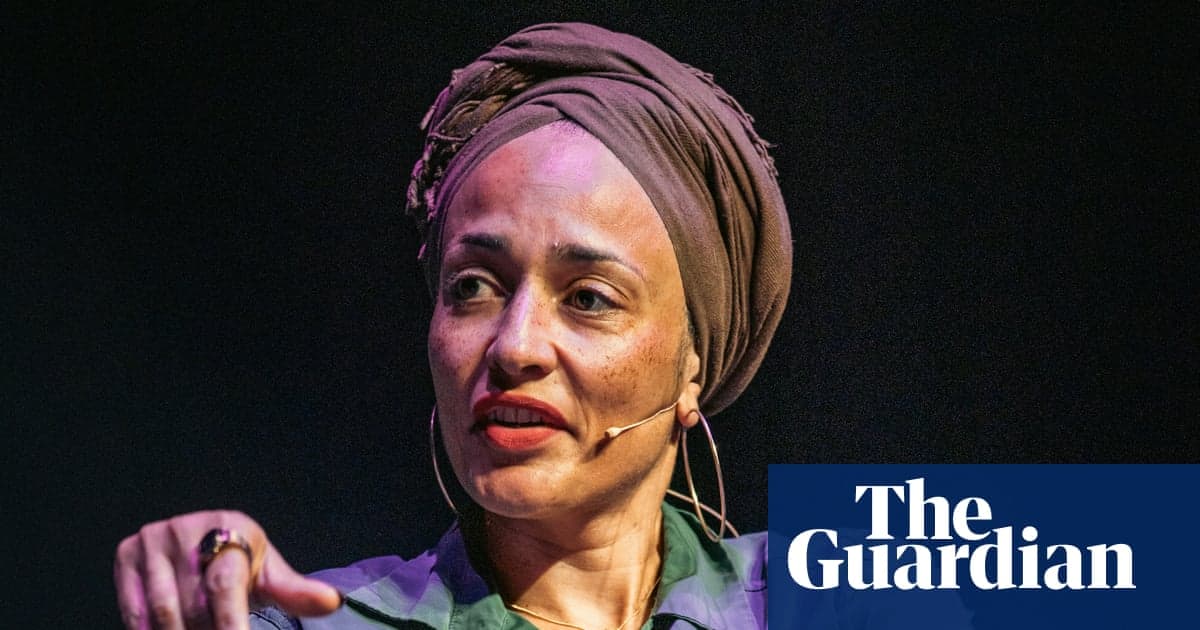
Zadie Smith: ‘I Don’t Know when I Read Men Any More’
Why It Matters
Smith’s shift underscores evolving gender dynamics in literary consumption and signals broader cultural conversations about representation, politics, and nostalgia in contemporary fiction.
Key Takeaways
- •Smith now favors women writers, citing patience and wisdom
- •She notes a resurgence of daring millennial male novelists
- •Dead and Alive celebrates female artists like Didion, Walker, Paul
- •Smith criticizes current UK politics as driven by sociopaths
- •Upcoming novel explores 1990s teen world, contrasting past opportunities
Pulse Analysis
Zadie Smith’s recent remarks at the Cambridge Literary Festival illuminate a growing trend among established authors to curate reading lists that reflect personal identity and cultural shifts. By prioritizing older women writers, Smith joins a wave of literary figures who argue that gendered perspectives enrich narrative insight, especially as the publishing industry grapples with calls for diversity and inclusivity. Her acknowledgment of bold millennial male novelists, however, suggests a nuanced view that celebrates innovation regardless of gender, hinting at a more complex future for the so‑called "death of the male novelist."
The essay collection Dead and Alive serves as a cultural ledger, documenting the rise of female artists whose work has reshaped visual and literary landscapes over the past half‑century. Smith’s focus on figures like Joan Didion, Kara Walker, and Celia Paul underscores how women’s artistic contributions have moved from the margins to mainstream acclaim, influencing both academic discourse and market demand. This celebration aligns with broader industry data showing a surge in sales for books by and about women, reinforcing the commercial viability of gender‑focused storytelling.
Beyond literature, Smith’s commentary on UK politics and her upcoming novel about 1990s teenagers provide a lens into the intersection of nostalgia and social critique. By labeling contemporary politics as driven by sociopaths, she taps into public disillusionment, while her new novel promises to contrast the limited opportunities of today’s youth with the relative freedoms of the past. This dual focus not only broadens her appeal across literary and political audiences but also positions her as a commentator on the socioeconomic forces shaping cultural production.
Zadie Smith: ‘I don’t know when I read men any more’
Comments
Want to join the conversation?
Loading comments...