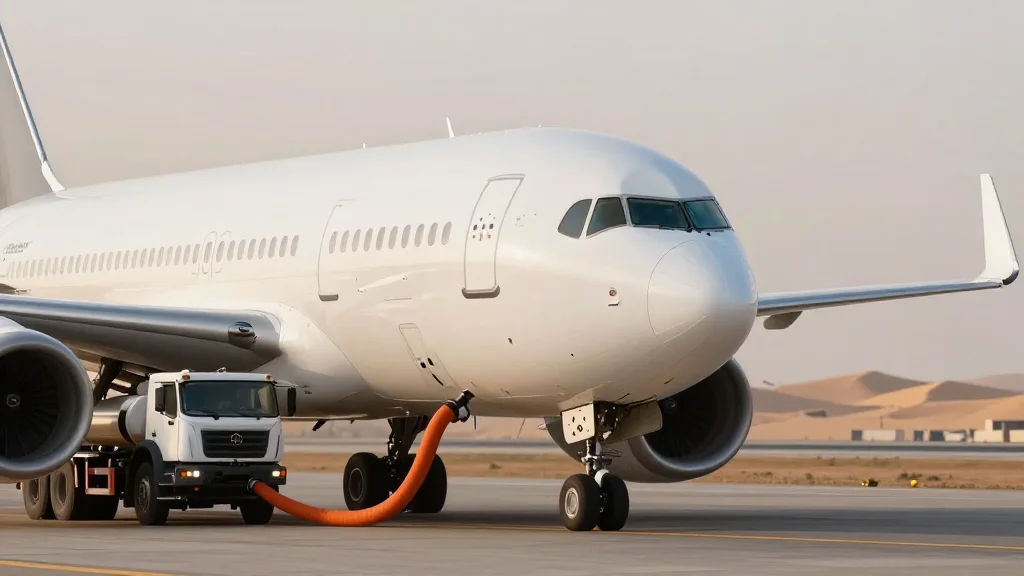
Finnair Flags Middle East Conflict as Jet‑Fuel Risk, CEO Says Company Is Preparing for Scenarios

Why It Matters
Finnair’s public risk assessment illustrates how CEOs must translate geopolitical turbulence into concrete operational strategies, a trend that is reshaping boardroom priorities across the airline industry. Jet‑fuel supply is a critical cost driver; any disruption can quickly erode earnings, prompting executives to adopt scenario‑based planning and transparent communication to maintain investor confidence. The warning also highlights the interconnectedness of global energy markets and aviation. As conflicts shift supply dynamics, airlines that can swiftly re‑engineer their fuel procurement and hedge positions will gain a competitive edge, while those slower to respond may see margin compression and operational disruptions. For investors, a CEO’s ability to anticipate and mitigate such risks becomes a key metric in evaluating leadership effectiveness and long‑term resilience.
Key Takeaways
- •Finnair CEO Turkka Kuusisto warned that the Middle East war could disrupt jet‑fuel availability.
- •The airline reported first‑quarter sales in line with analyst estimates.
- •Finnair is "preparing for different scenarios" to safeguard operations and finances.
- •Jet fuel makes up roughly 30% of airline operating costs, amplifying the risk.
- •The carrier will disclose a detailed fuel‑sourcing plan in its next earnings call.
Pulse Analysis
Finnair’s alert is a textbook case of modern CEO risk stewardship. In an era where supply‑chain shocks can cascade across continents, executives are expected to not only manage internal contingencies but also broadcast their assessments to the market. Kuusisto’s decision to publicly acknowledge a fuel‑supply risk serves a dual purpose: it pre‑empts speculation that could otherwise trigger a sharper sell‑off, and it signals to investors that the board is actively managing exposure.
Historically, airlines have relied on long‑term fuel contracts to smooth price volatility, but the geopolitical dimension adds a layer of uncertainty that pure price hedging cannot address. By emphasizing scenario planning, Finnair is likely to diversify its supplier base, potentially shifting purchases toward regions less exposed to conflict. This strategic pivot could reshape the competitive landscape, as carriers with more flexible procurement models may capture market share from those constrained by legacy contracts.
Looking forward, the real test will be how Finnair translates its warnings into actionable outcomes. If the airline can secure alternative fuel sources without inflating costs, it will reinforce its reputation for operational resilience—a valuable asset in a sector where profit margins are razor‑thin. Conversely, any misstep could amplify cost pressures and erode confidence in its leadership. For the broader CEO Pulse community, Finnair’s approach underscores the growing importance of geopolitical literacy, supply‑chain agility, and transparent stakeholder communication as core components of executive performance.
Finnair Flags Middle East Conflict as Jet‑Fuel Risk, CEO Says Company Is Preparing for Scenarios
Comments
Want to join the conversation?
Loading comments...