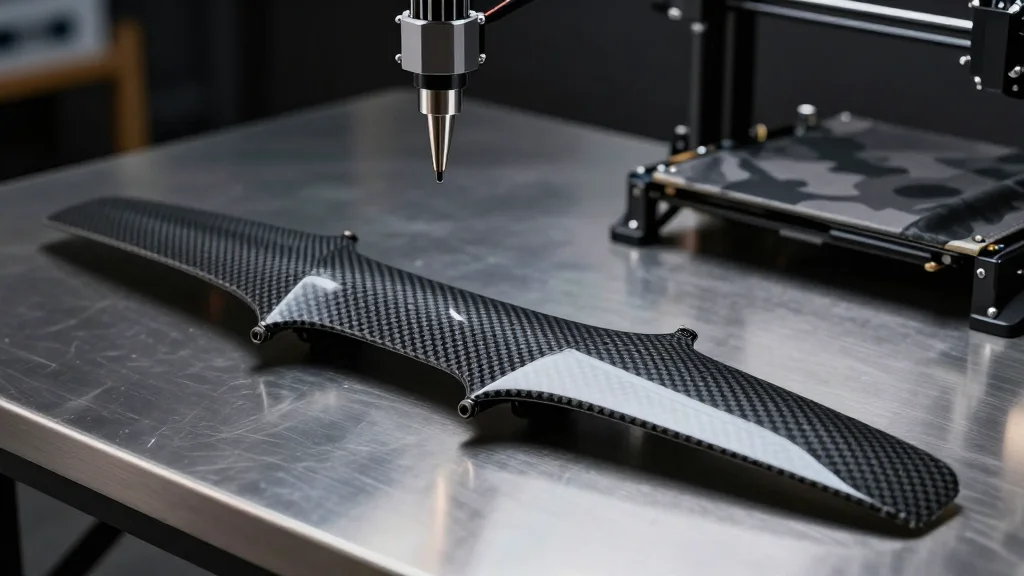
Massivit CEO Yossi Azarzar Shifts to Defense, Supplying 3D‑Printed Drone Parts

Companies Mentioned
Why It Matters
Massivit’s pivot illustrates how CEOs can leverage core competencies to capture high‑growth, high‑risk markets, reshaping corporate strategy in real time. The decision also highlights the ethical tightrope CEOs face when entering defense, where profit motives intersect with geopolitical controversy and human‑rights concerns. For the broader CEO Pulse community, the case offers a template for rapid sectoral reallocation while exposing the reputational stakes of aligning with contested industries. The move also signals a maturation of additive manufacturing as a strategic asset for modern militaries. By proving that 3D‑printed drone components can meet rigorous combat standards, Massivit may accelerate adoption of similar technologies across allied defense ecosystems, potentially altering supply‑chain dynamics and competitive advantage in the global arms market.
Key Takeaways
- •Massivit CEO Yossi Azarzar redirects company to produce 3D‑printed drone parts for Israeli defense.
- •Israel's weapons sales reached a record $15 billion in 2024, more than double in five years.
- •"I stopped thinking about Hollywood sets," Azarzar said, emphasizing the strategic shift.
- •Defense Minister Israel Katz linked the sector’s success to Israel’s growing global arms share.
- •Human‑rights groups warn the defense boom benefits firms that test technology in conflict zones.
Pulse Analysis
Massivit’s decision reflects a broader pattern where CEOs capitalize on emergent technologies to enter defense, a sector that offers deep pockets but also intense scrutiny. Historically, firms like Boeing and Lockheed have diversified into civilian markets; Massivit is doing the reverse, applying entertainment‑grade additive manufacturing to military needs. This inversion suggests that the barrier between commercial and defense innovation is eroding, driven by the speed and flexibility of 3D printing.
From a market perspective, the $15 billion arms sales figure underscores the financial lure for tech firms. The ability to produce large, structurally sound drone components in‑house reduces reliance on traditional aerospace supply chains, potentially lowering costs and shortening time‑to‑field. Competitors in the additive‑manufacturing space will likely accelerate R&D to meet defense specifications, intensifying a technology arms race that could spill over into civilian sectors such as aerospace, automotive, and infrastructure.
Strategically, CEOs must weigh short‑term revenue gains against long‑term brand implications. Massivit’s alignment with a controversial defense agenda may attract new investors seeking high returns, but it also risks alienating partners in the entertainment industry and drawing activist pressure. The company’s future will hinge on its ability to navigate export controls, maintain compliance, and manage public perception while delivering on performance promises. For peers watching the CEO Pulse, the Massivit case serves as a cautionary yet instructive example of decisive leadership in a volatile geopolitical environment.
Massivit CEO Yossi Azarzar Shifts to Defense, Supplying 3D‑Printed Drone Parts
Comments
Want to join the conversation?
Loading comments...