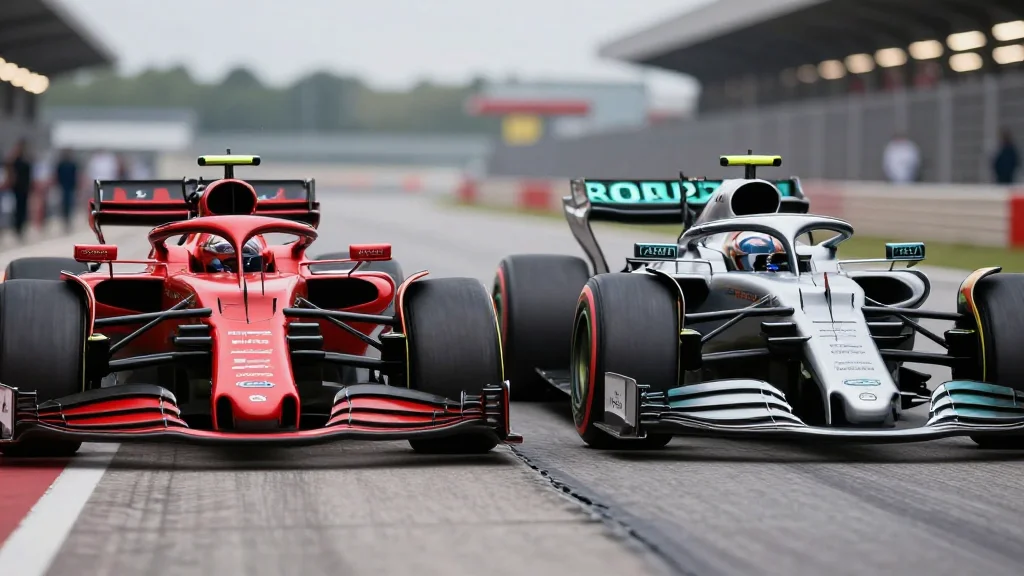
McLaren CEO Zak Brown Warns Mercedes' Alpine Stake Could Jeopardize F1 Fairness

Companies Mentioned
Why It Matters
The dispute highlights a fundamental tension in Formula 1: balancing commercial partnerships with the sport's core principle of fair competition. As manufacturers seek deeper strategic ties, the risk of creating de‑facto ‘B’ teams grows, potentially eroding fan trust and sponsor confidence. Brown’s warnings could prompt the FIA to tighten ownership rules, influencing how future deals are structured across the grid. Beyond governance, the issue affects the broader business model of F1. Teams rely on distinct brand identities to attract sponsors; co‑ownership could dilute that value, reshaping revenue streams and the competitive dynamics that drive the sport’s global growth.
Key Takeaways
- •Mercedes is exploring a purchase of a 24% stake in Alpine, currently owned by Otro Capital.
- •McLaren CEO Zak Brown says co‑ownership "runs a high risk of compromising the sporting integrity of the sport."
- •Brown cites the 2024 Singapore GP fastest‑lap point and staff migrations as examples of unfair advantage.
- •Christian Horner is also linked to a separate consortium bidding for the same Alpine stake.
- •The debate could force the FIA to revisit rules on minority ownership and technology sharing.
Pulse Analysis
Zak Brown’s public objection is more than a personal gripe; it reflects a growing unease among independent teams about the consolidation of power within F1. Historically, the sport has tolerated a single manufacturer supplying multiple teams—most notably Red Bull’s Racing Bulls junior outfit—because the arrangement was transparent and regulated. However, the Mercedes‑Alpine scenario introduces a new variable: a direct competitor to the Mercedes‑powered McLaren could gain privileged access to data, engineering talent, and cost‑cap loopholes.
From a market perspective, the stakes are high. Mercedes’ potential equity stake would give it a voice in Alpine’s strategic decisions without necessarily breaching the current engine‑supplier agreement. If unchecked, this could set a precedent for other manufacturers to seek similar footholds, effectively creating hidden alliances that undermine the sport’s claim of 11 independent teams. Sponsors, who invest based on the perception of a level playing field, may reconsider their commitments if the competitive balance appears skewed.
Looking ahead, the FIA faces a crossroads. It can either enforce stricter firewalls—mandating separate R&D streams, prohibiting staff poaching, and imposing transparent reporting on shared technology—or risk a fragmented grid where a handful of powerful entities dominate. Brown’s vocal stance may accelerate that regulatory response, especially as the Miami Grand Prix brings the issue into the spotlight. The outcome will shape not only the ownership landscape but also the commercial viability of smaller teams that rely on distinct brand equity to survive in an increasingly corporate sport.
McLaren CEO Zak Brown warns Mercedes' Alpine stake could jeopardize F1 fairness
Comments
Want to join the conversation?
Loading comments...