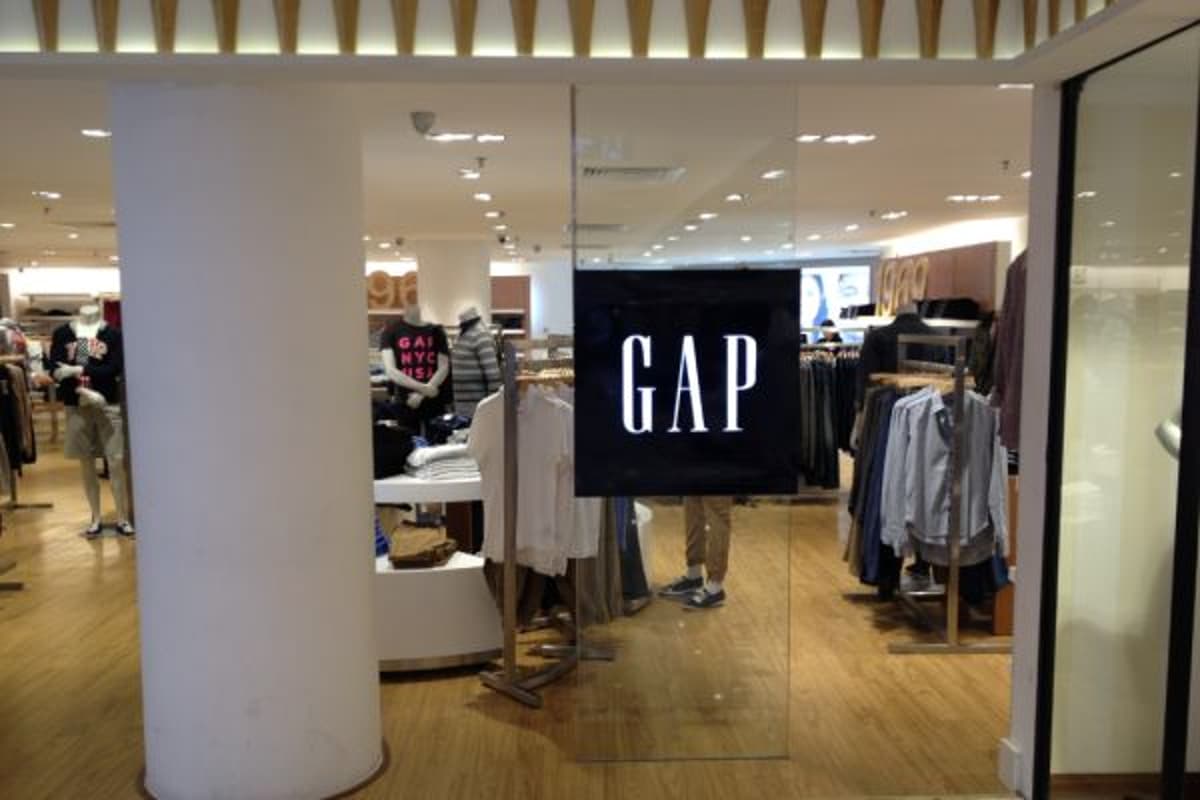
The Scoop: Gap CEO Connects Brand’s Cultural Relevance with Concrete Turnaround Goals
Why It Matters
The approach shows how legacy retailers can revive sales by embedding brand identity in pop culture, offering investors a clearer path to profitability. It also highlights the growing importance of cultural relevance as a competitive lever in the crowded apparel market.
Key Takeaways
- •Gap hired Zac Posen as creative director to boost relevance
- •New chief entertainment officer will drive content and Hollywood partnerships
- •CEO emphasizes clear purpose, linking culture to measurable turnaround metrics
- •Shift positions Gap as a pop‑culture brand, not just a retailer
Pulse Analysis
Gap’s latest pivot underscores a broader lesson for struggling retailers: cultural relevance can be a catalyst for financial recovery. After years of stagnant sales and a perception of being out‑of‑touch, the brand is leveraging high‑profile fashion talent and celebrity moments to re‑enter the public conversation. By appointing a chief entertainment officer, Gap is not merely buying ad space; it is building a pipeline of original content and Hollywood collaborations that can generate earned media, deepen consumer engagement, and create new revenue streams beyond traditional apparel sales.
The concrete actions taken by Dickson signal a disciplined, purpose‑driven turnaround. Hiring Zac Posen provides a fresh design language that can be translated into limited‑edition drops, while the Met Gala appearance with Kendall Jenner generated organic buzz across social platforms. Entertainment‑style ads featuring actors like Katseye and Parker Posey aim to position Gap alongside lifestyle brands that sell an identity, not just a product. These initiatives are tied to measurable goals—such as increased foot traffic, higher conversion rates, and improved brand sentiment—allowing the company to track the financial impact of cultural investments.
Industry observers see Gap’s strategy as a template for legacy brands confronting a fragmented consumer landscape. As retail media networks grow and shoppers demand authentic storytelling, the line between retailer and media company blurs. Companies that can embed themselves in pop culture while maintaining clear, data‑backed performance metrics are likely to attract both customers and investors. Gap’s gamble on cultural capital could redefine how apparel firms allocate marketing spend, shifting resources from pure discounting to content creation and partnership ecosystems that drive sustainable growth.
The Scoop: Gap CEO connects brand’s cultural relevance with concrete turnaround goals
Comments
Want to join the conversation?
Loading comments...